Syrup Medical
1 / 5
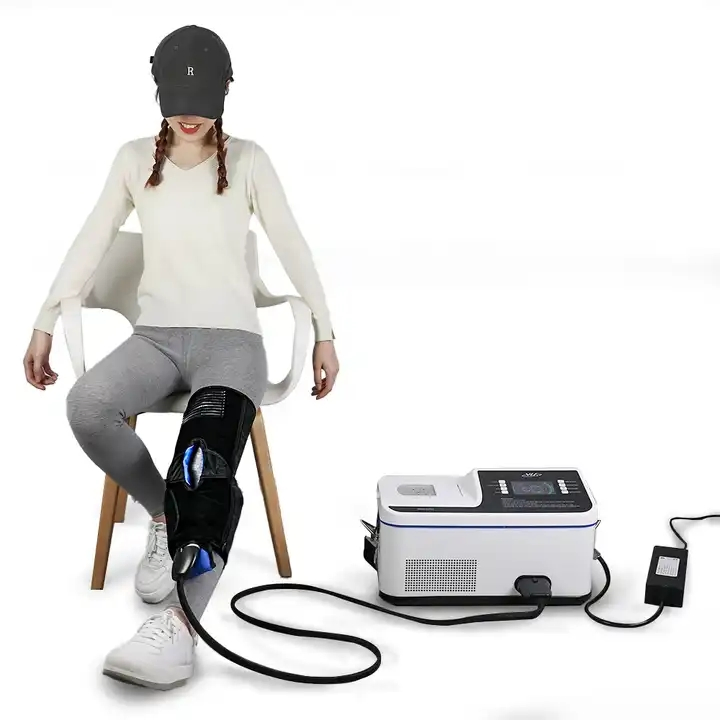
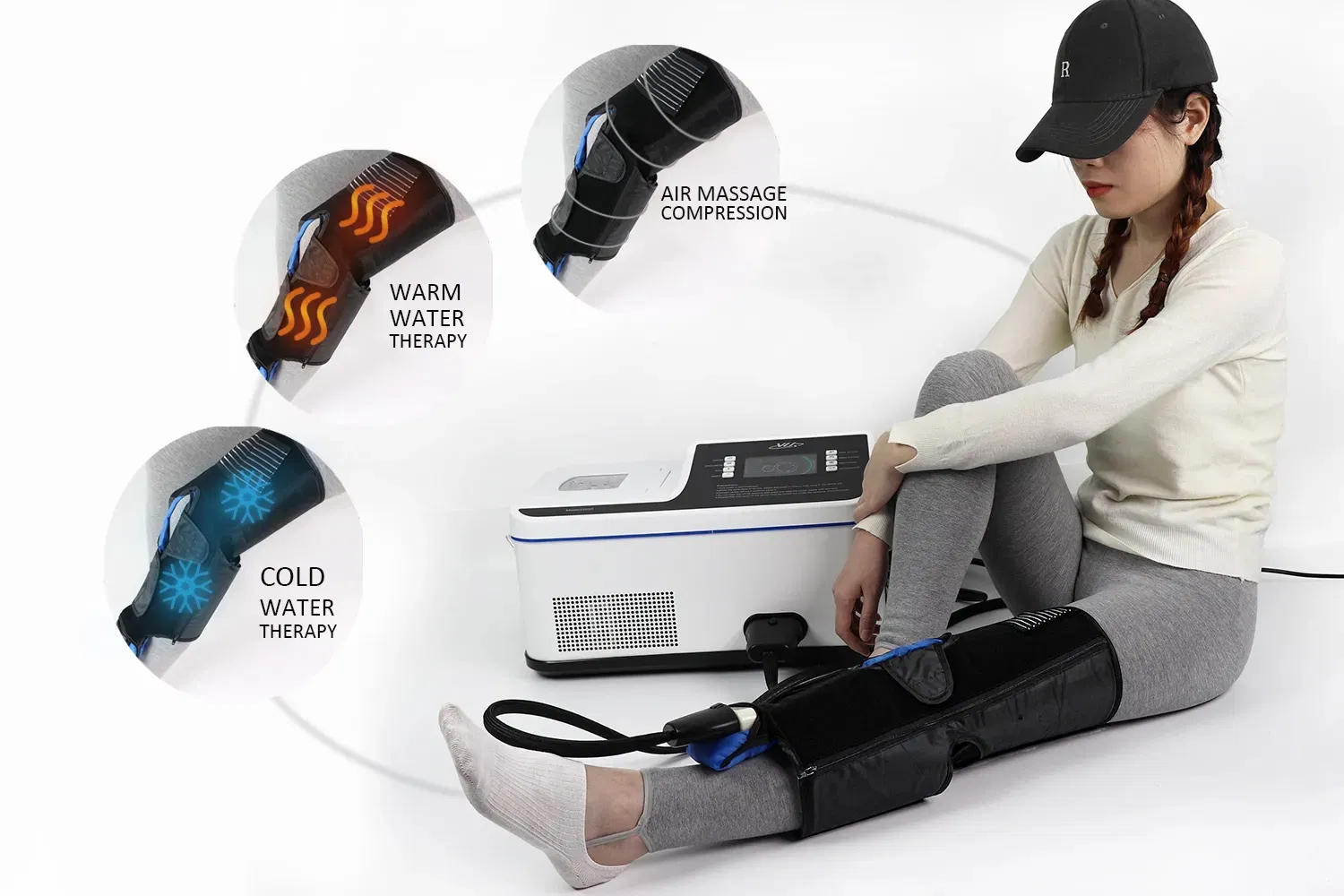
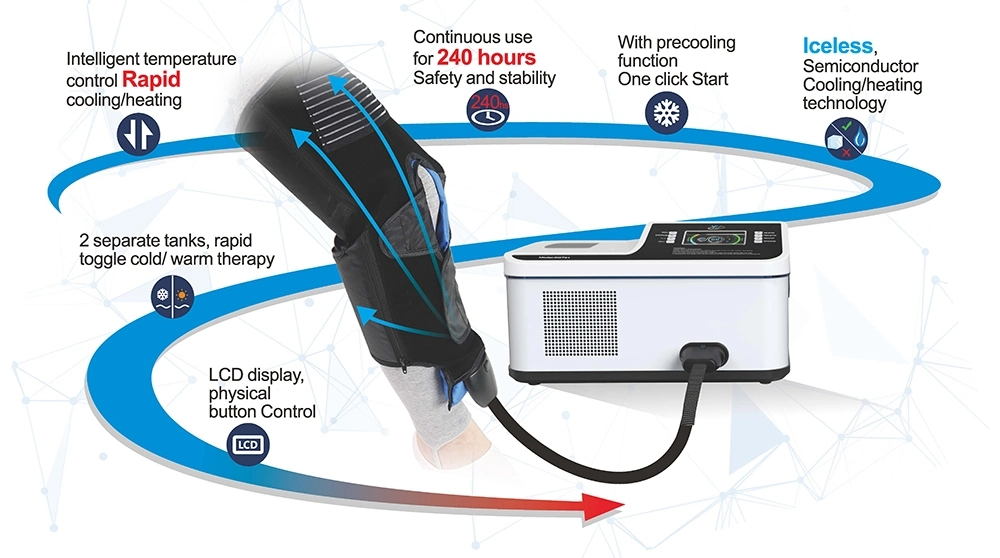
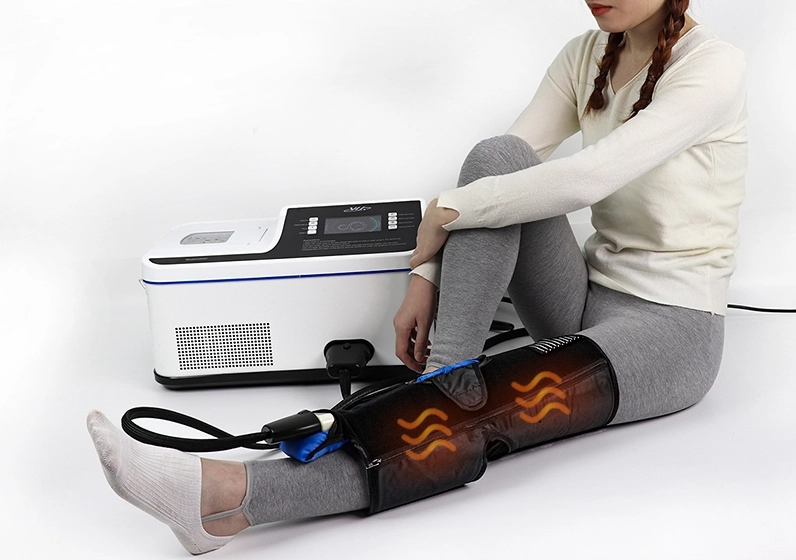
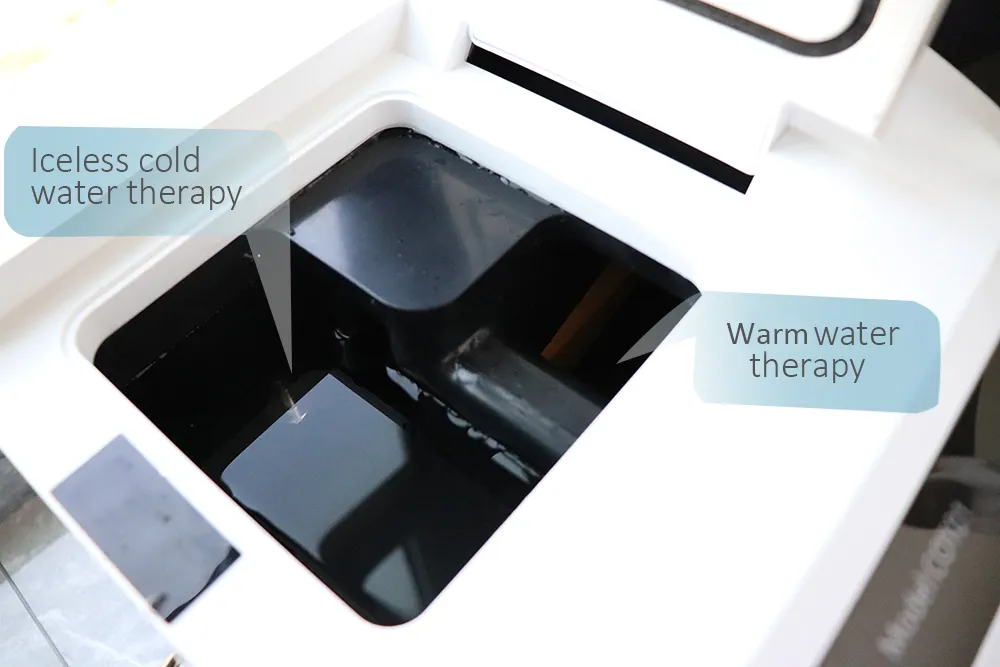
1. Cold Compression Therapy: Also known as cryotherapy, it involves the application of cold to the affected area. This causes vasoconstriction, reducing blood flow to help decrease inflammation, swelling, and pain. It is ideal for acute injuries like sprains, strains, and bruises.
2. Hot Compression Therapy: Also known as thermotherapy, heat increases blood flow to promote healing by delivering more oxygen and nutrients to tissues. It is widely used for chronic conditions like muscle stiffness and persistent pain.
After treatment, the body needs time to adjust. Athletes may rest or engage in low-impact activities to support full recovery. Staying hydrated and nourished is essential to support the body's natural healing process.
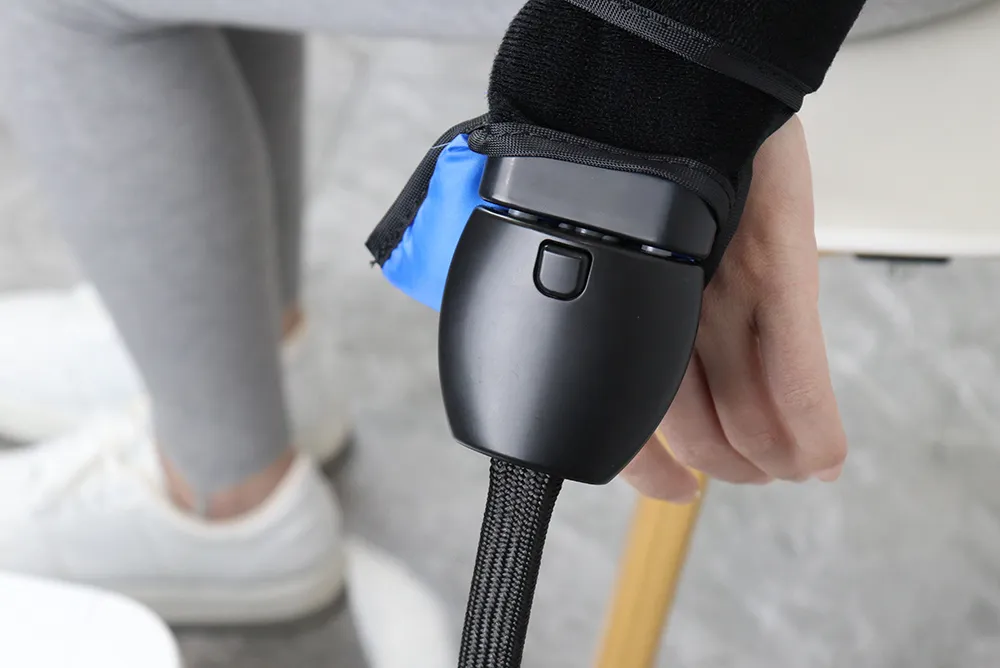
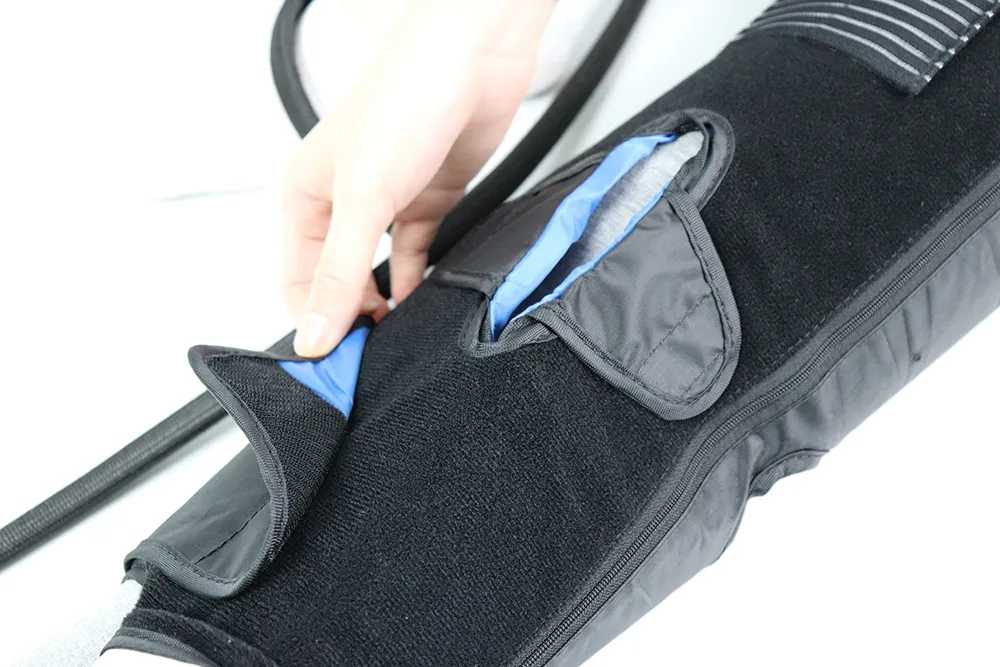
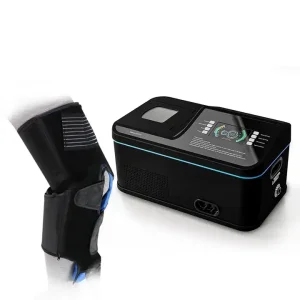
| Feature | Specification |
|---|---|
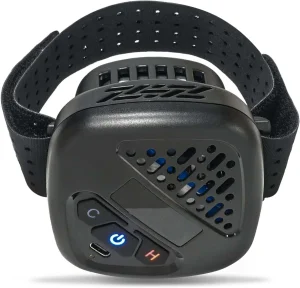
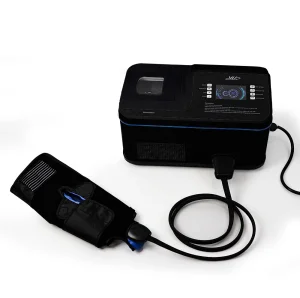
| Function | Hot and Cold Compression Therapy |
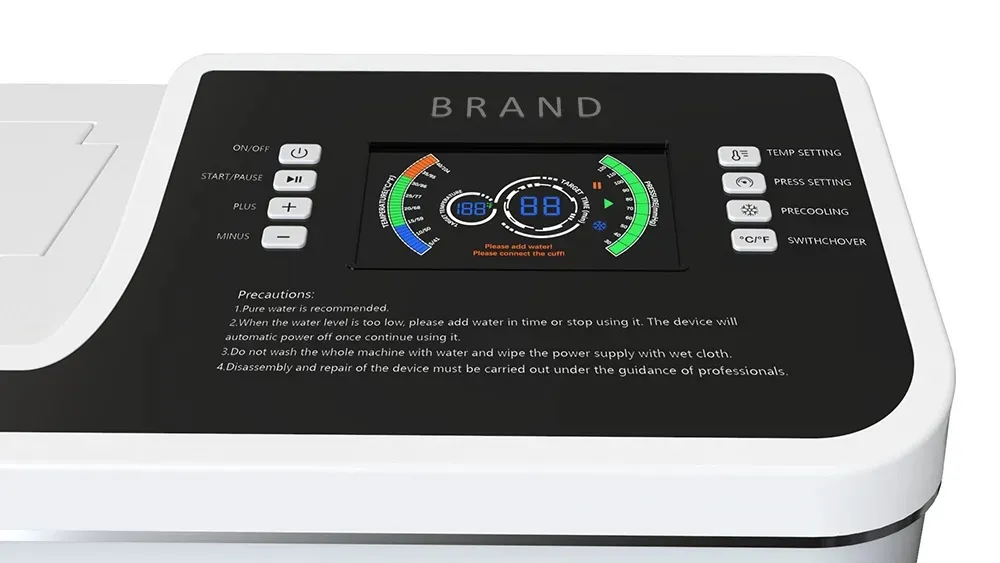
| Pressure Range | 30-120mmgh |
| Treating Time | 5-99 mins |
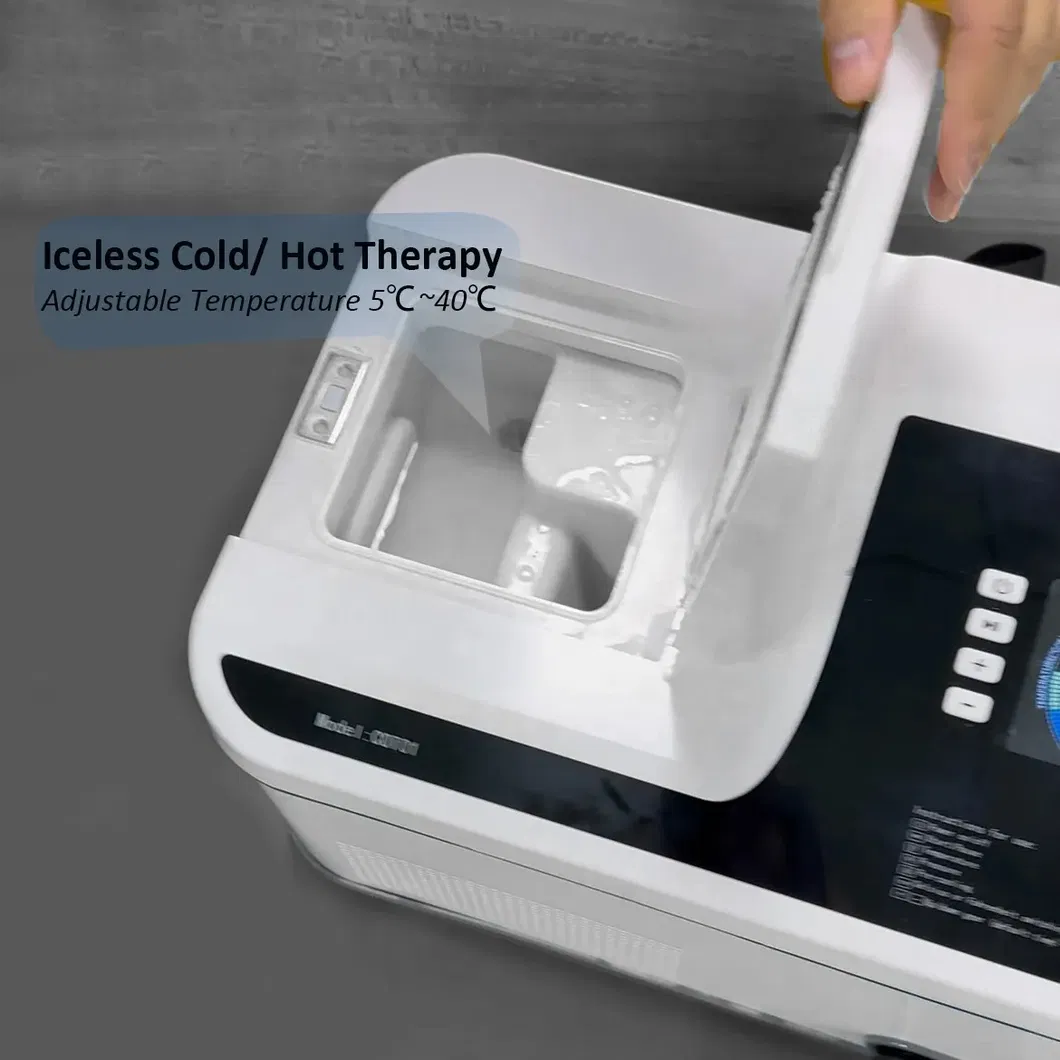
| Adjustable Water Temp | 5ºC ~ 40ºC |
| Power | 400W |
| Working Voltage | DC 12V |
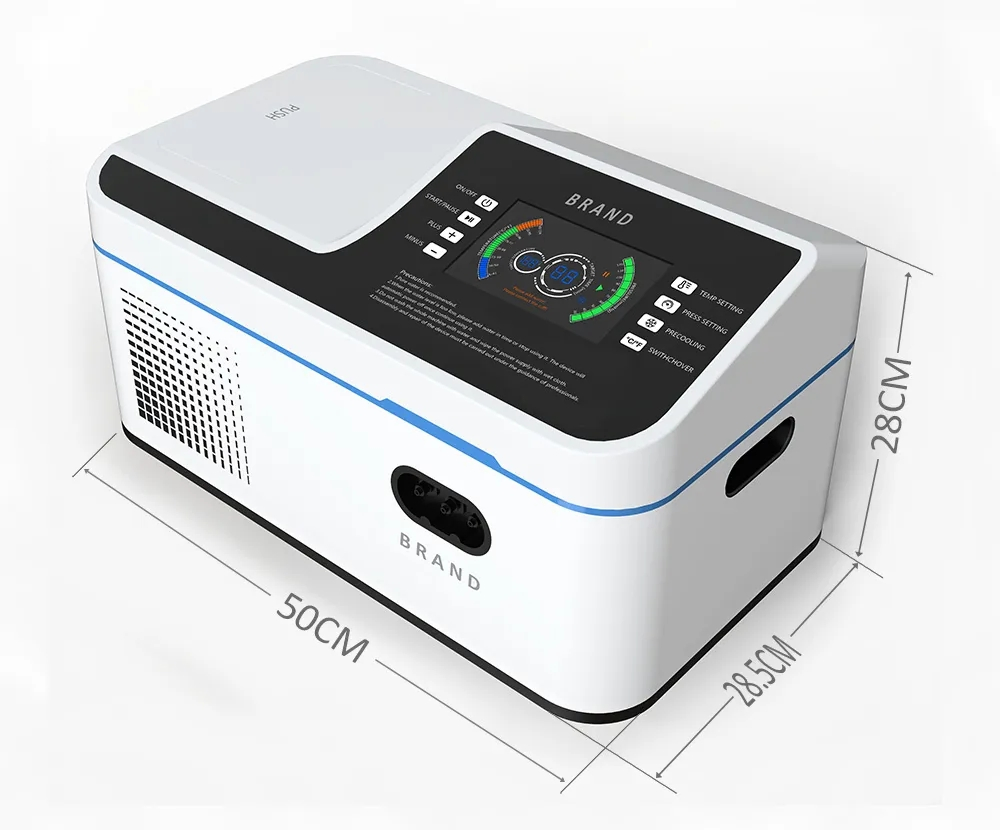
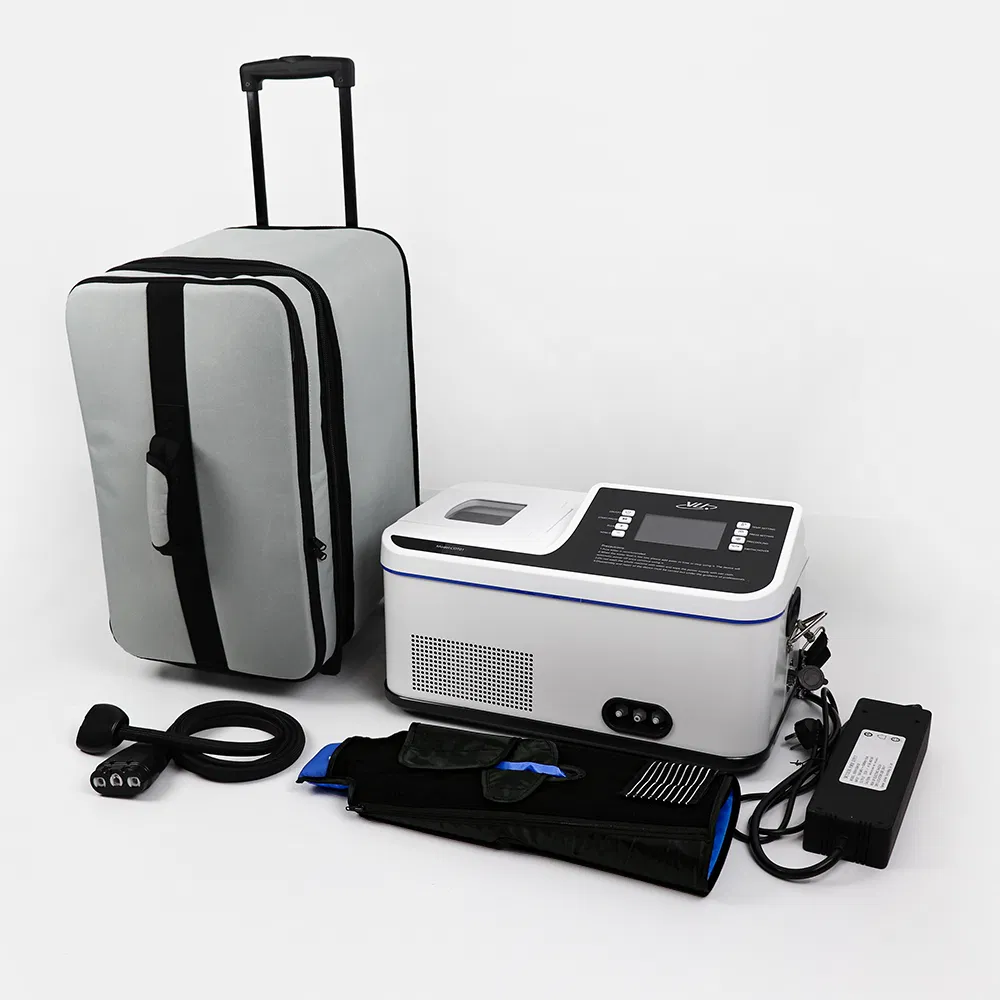
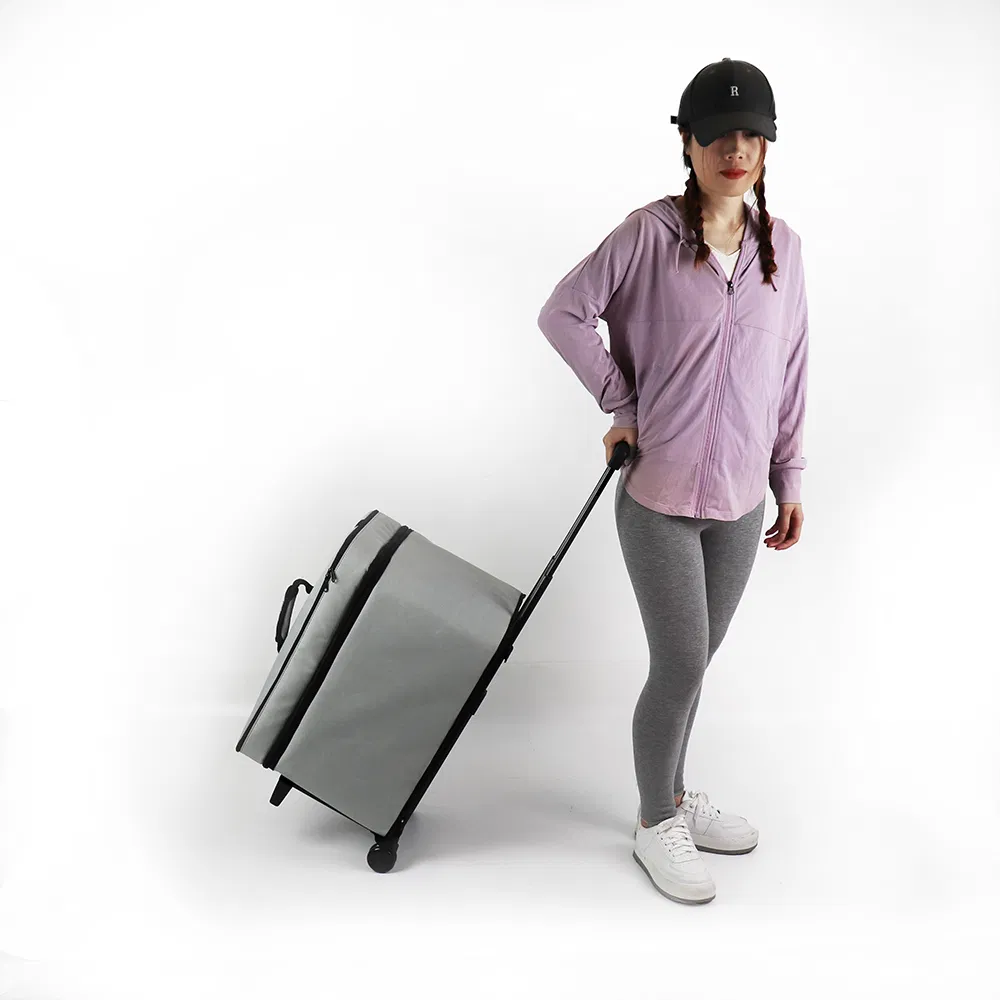
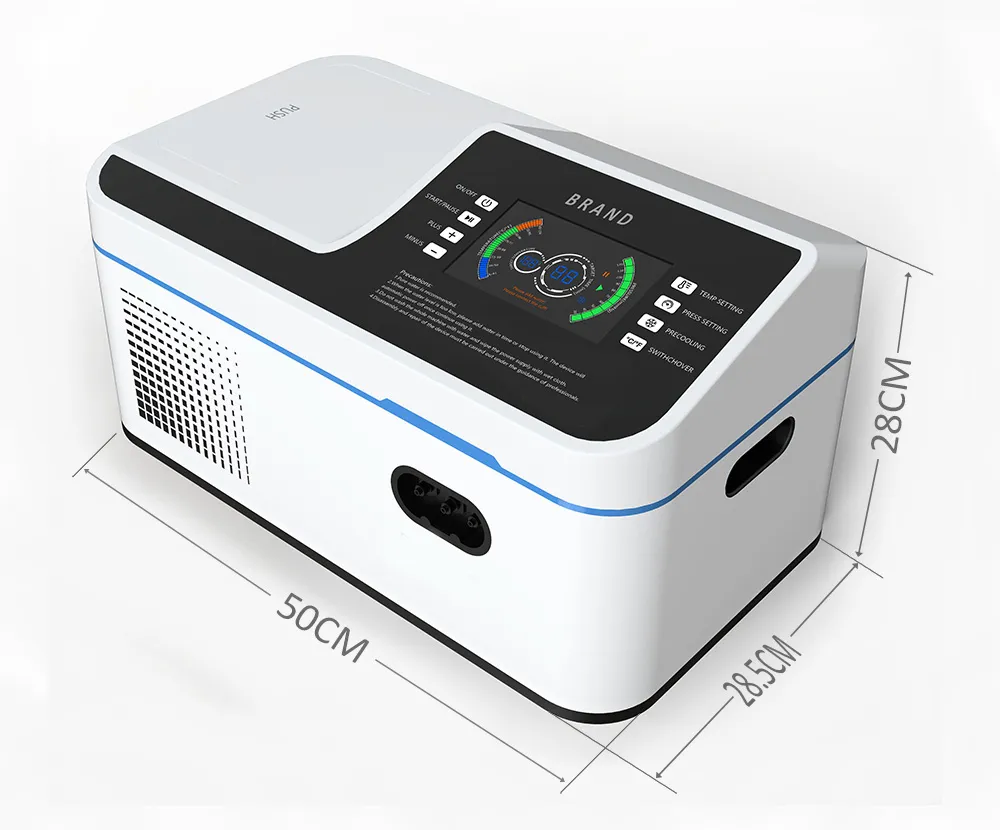
| Machine Size | 50*28*28.5cm |
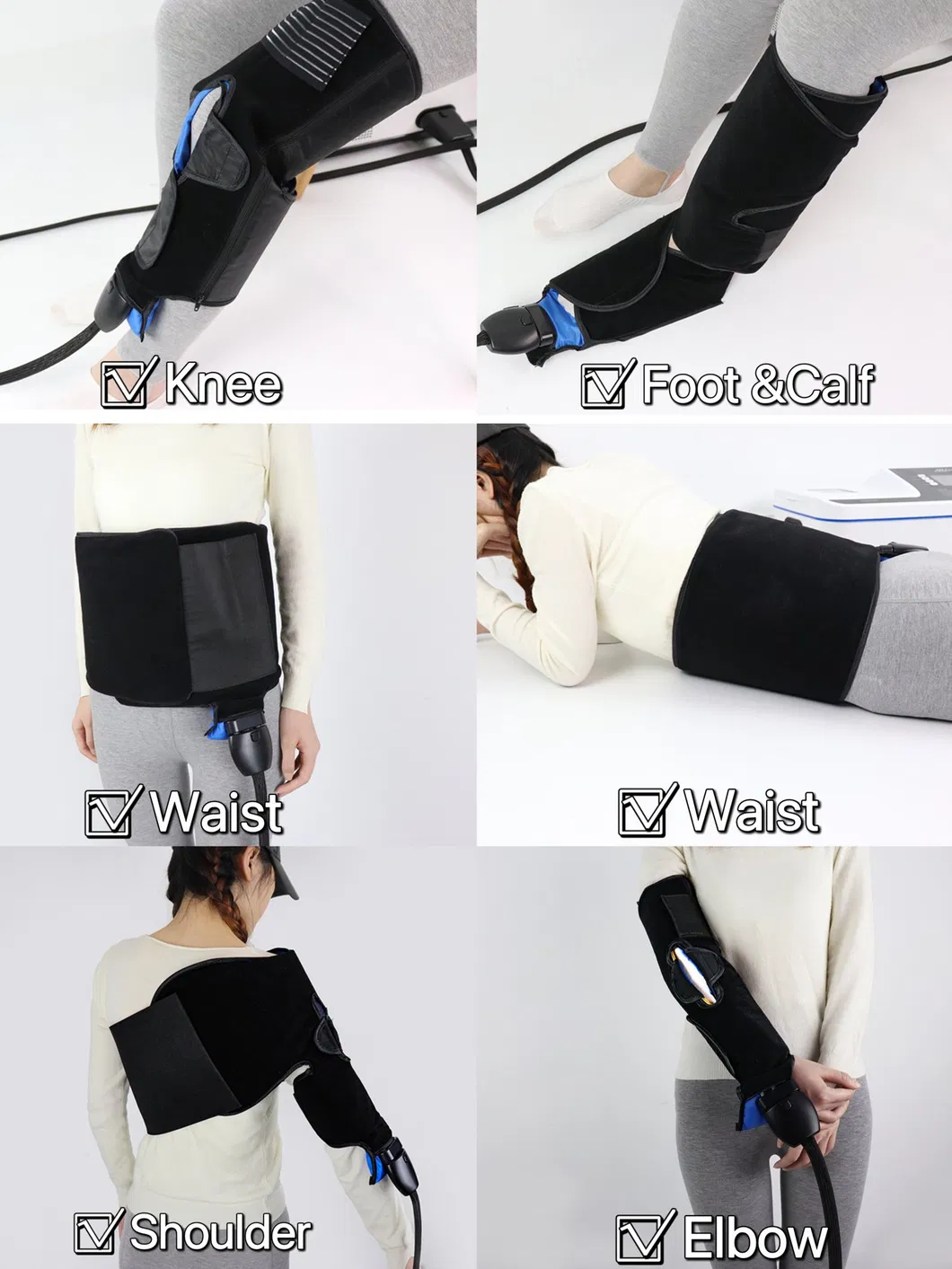
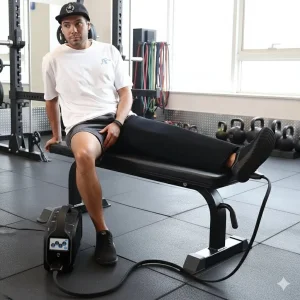
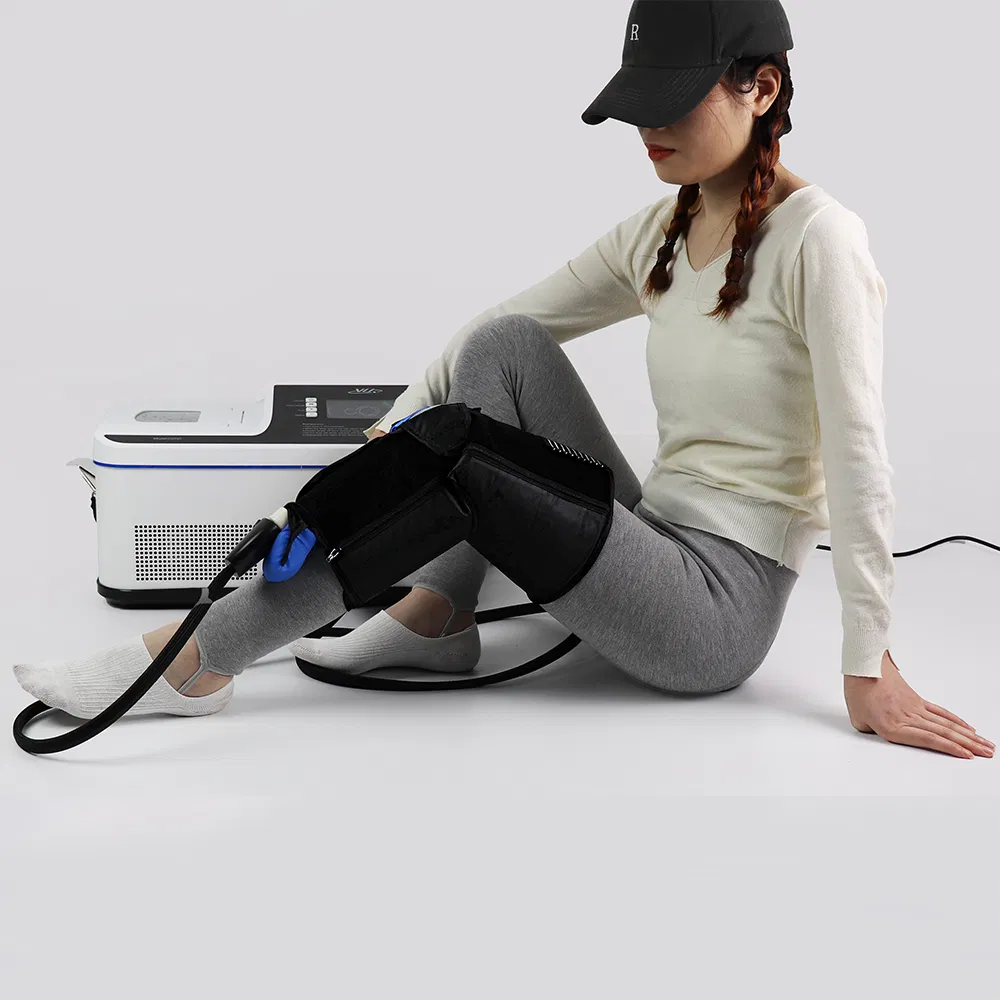
| Optional Application Area | Knee, Ankle, Abdomen, Elbow or Shoulder |
Medical Fields: Applicable in Orthopedic Wards, Sports Medicine, Rehabilitation Clinics, and Pain Clinics.
Acute Phase (Cold/Compression): Follows the RICE principle (Rest, Ice, Compress, Elevate) to reduce swelling, pain, and inhibit inflammation. Supports ERAS (Enhanced Recovery After Surgery) protocols.
Chronic Phase (Hot/Compression): Accelerates local blood circulation, eliminates inflammation, relieves pain, and promotes wound healing.
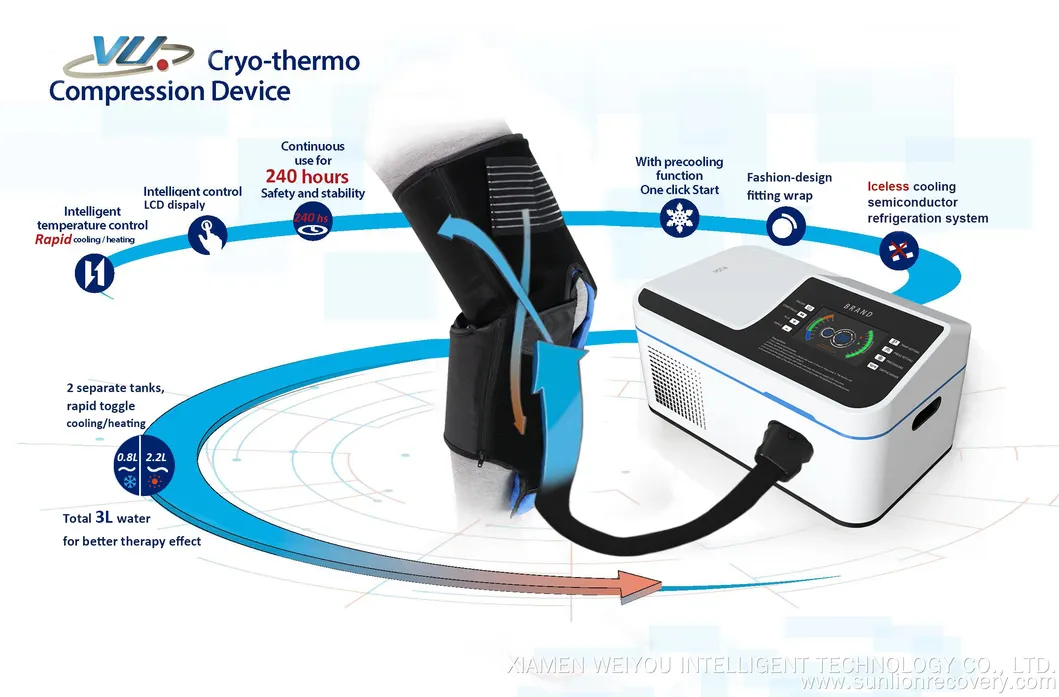
Before Activity (Hot Therapy): Increases blood flow and flexibility while reducing chronic pain.
After Activity (Cold Therapy): Heals acute sports injuries and reduces localized pain and swelling.