📊 Basic Specifications
Using Ambient
Outdoor, Indoor
Using Site
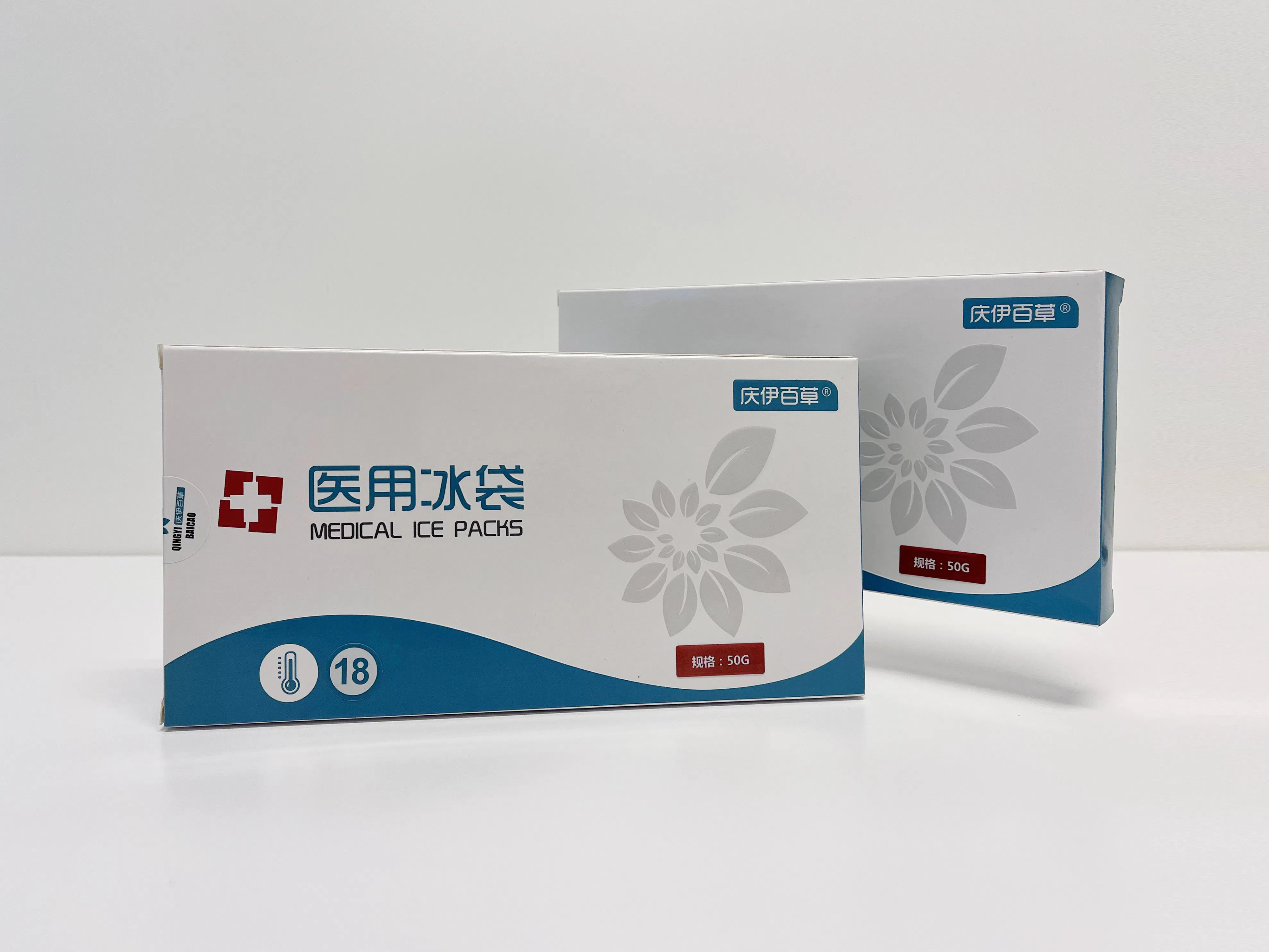
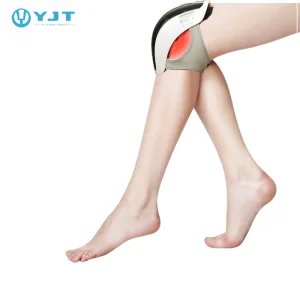
Hip, Joint, Skeleton, Back, Shoulder&Neck, Waist, Head, Abdomen
Production Capacity
10000PCS/Month
💡 Product Description
🌟
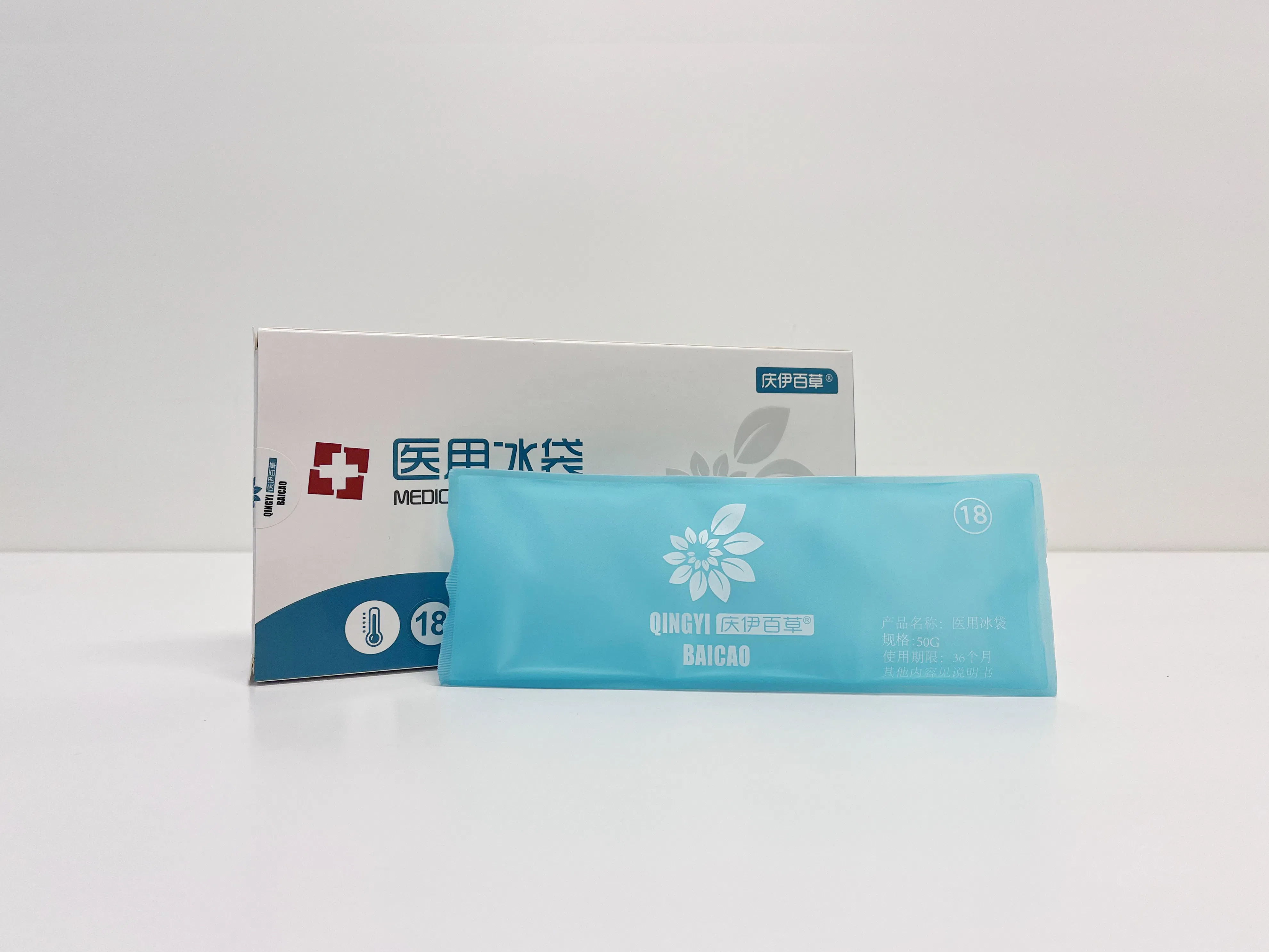
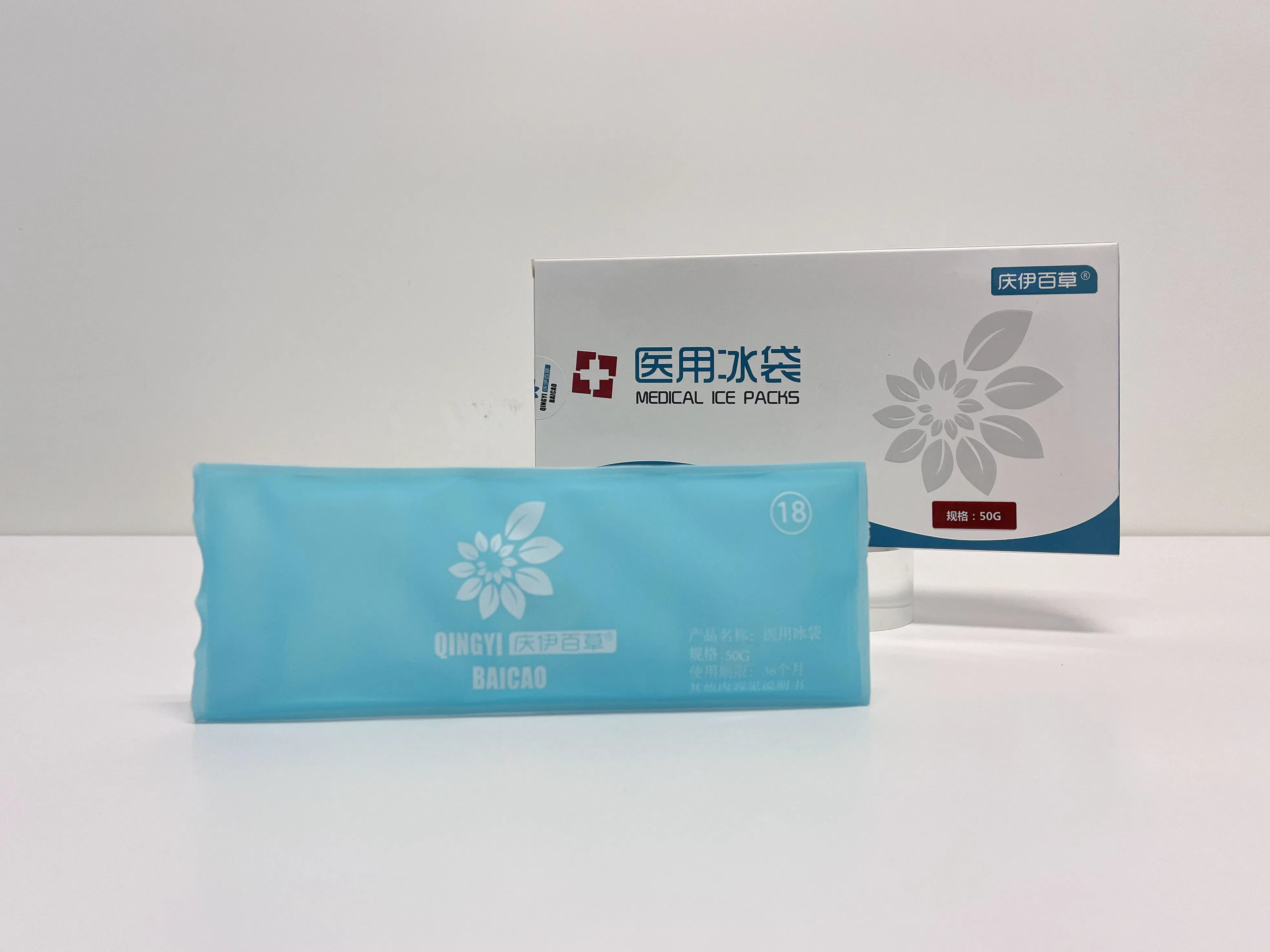
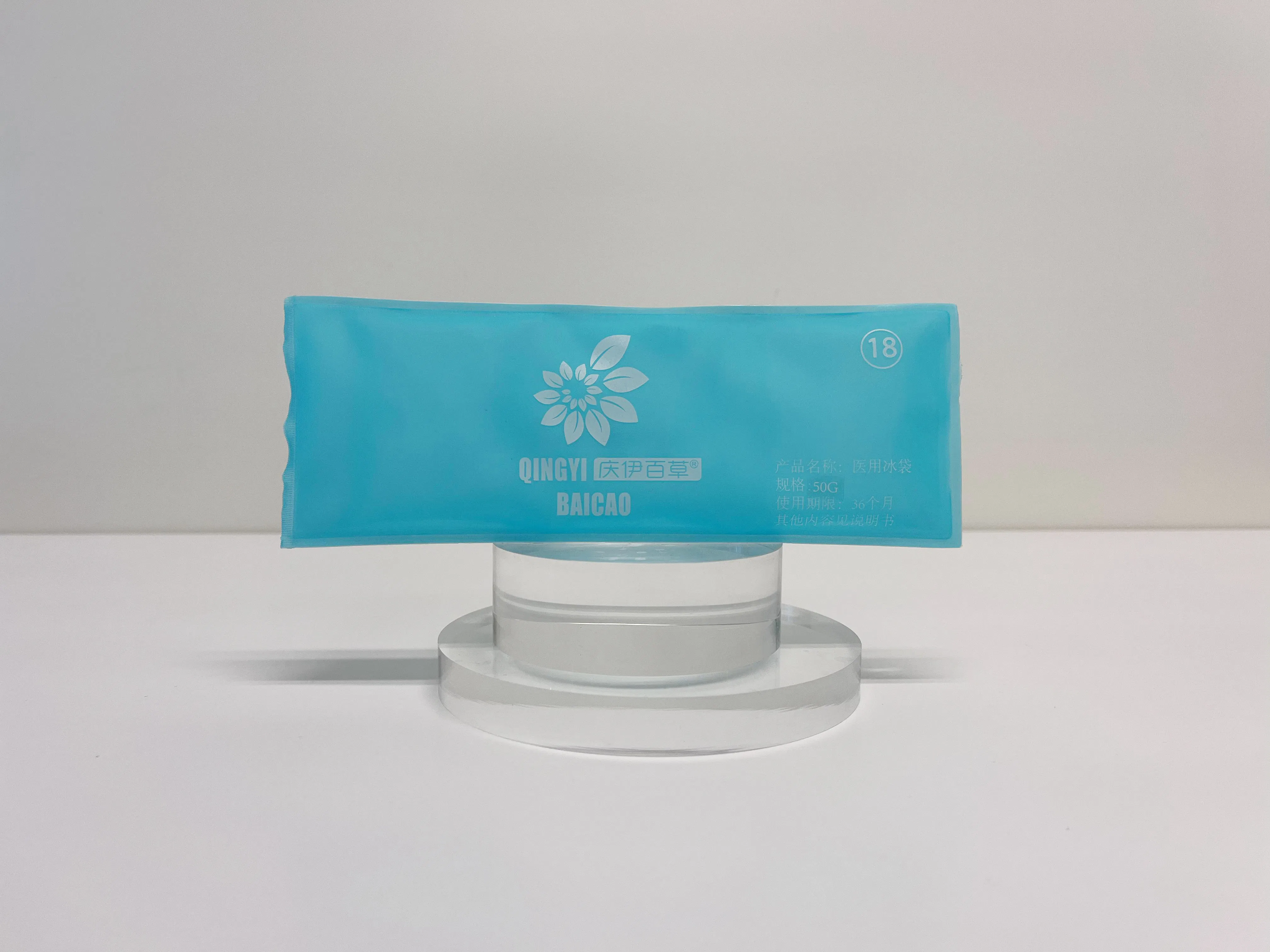
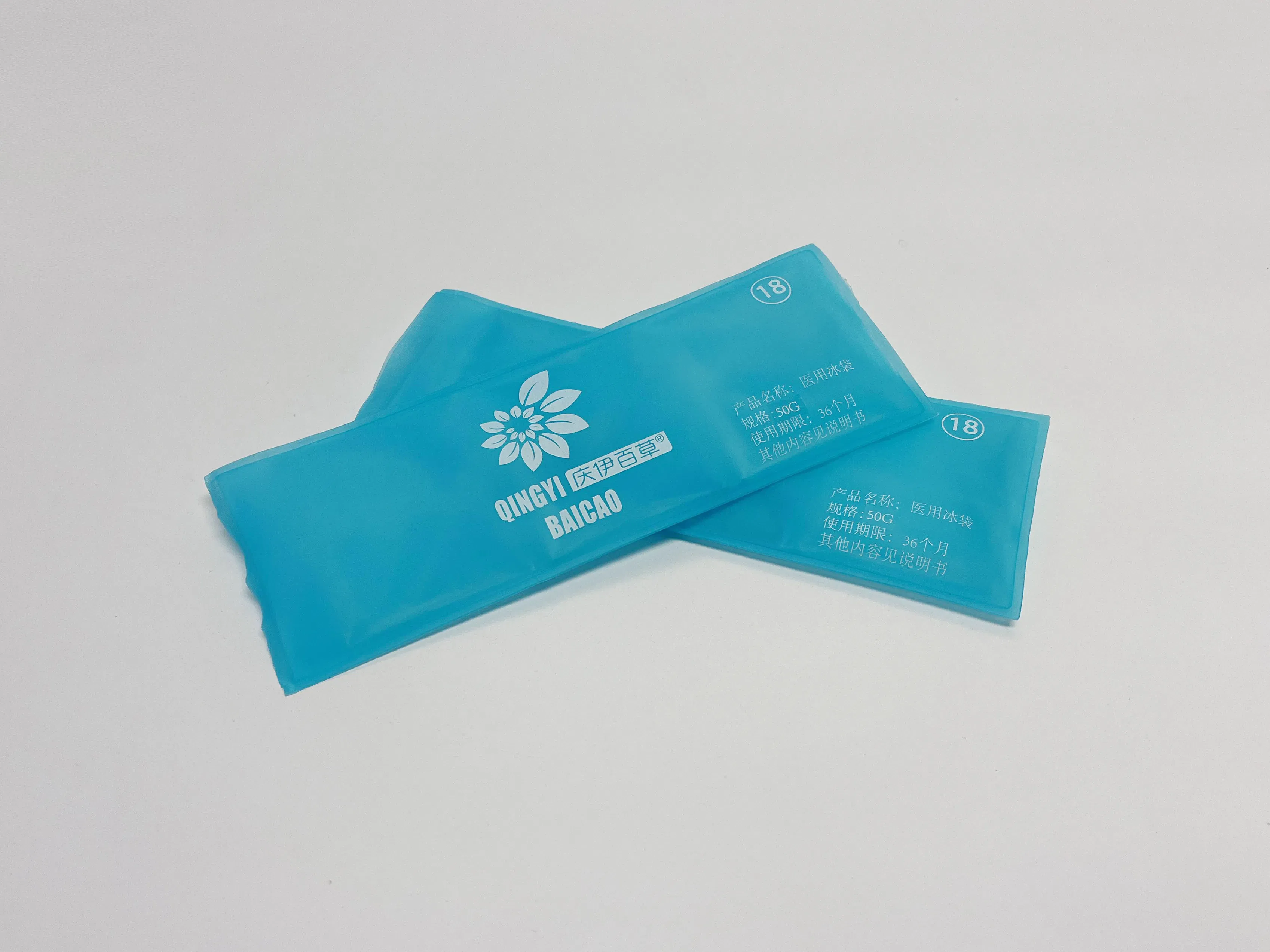
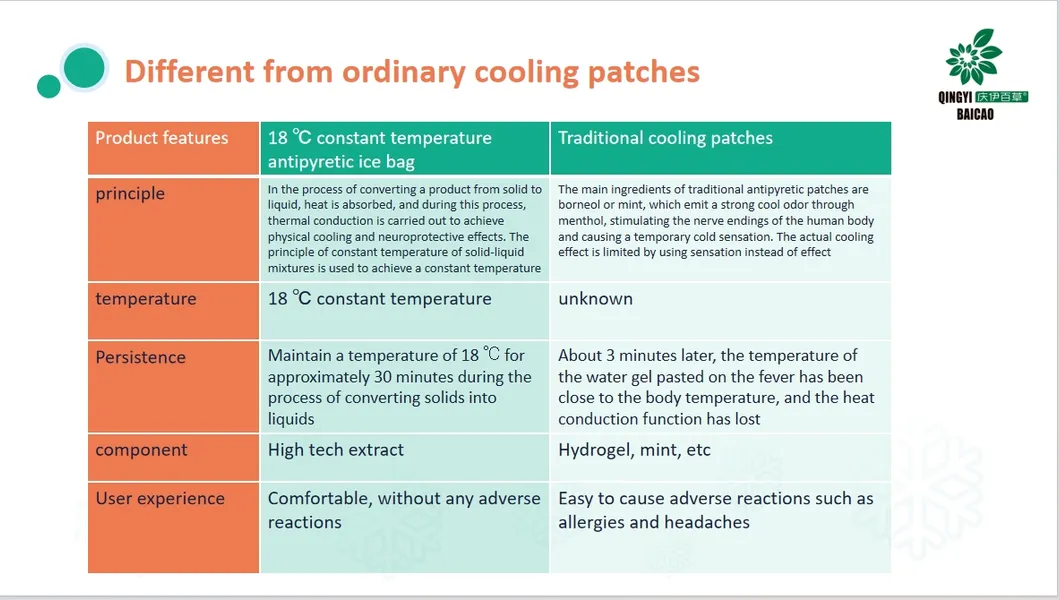
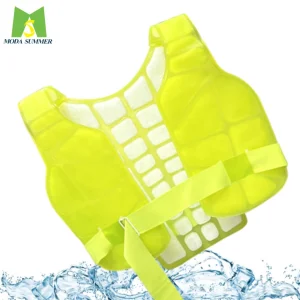
Technological Breakthrough: Discover a perfect and constant temperature of 18 ºC, achieved through cutting-edge advancements in thermal management.
With a dedication spanning nearly a decade, our team has meticulously selected from thousands of raw materials to pioneer groundbreaking "constant temperature" technology. Our historic milestone includes the creation of revolutionary products such as constant temperature ice bags, insulin storage cups, constant temperature hot compress bags, and constant temperature eye bags. These state-of-the-art solutions maintain a remarkable temperature range of -20 °C to -50 °C, setting new standards in the industry.
🌡️
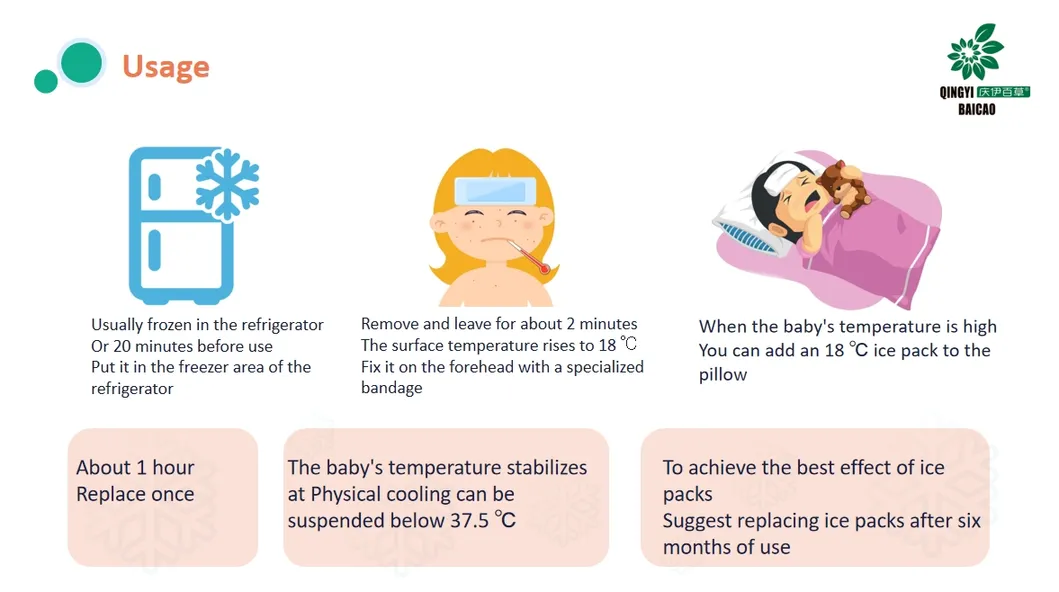
Medical Science Insight: When children come down with a cold and fever and temperatures don't exceed 38.5 ºC, healthcare professionals advocate for physical cooling.
Traditional methods include applying a cold towel or using warm water to wipe areas like the back and armpits. However, mastering these scientific cooling techniques can be a challenge for many parents. It's crucial to understand that baby skin can suffer frostbite below 10 ºC. At temperatures between 10-15 ºC, discomfort such as stinging may occur.
The Optimal Standard: The optimal temperature for physical cooling is 18 ºC, a standard also adhered to in hospital intensive care units for brain protection equipment where the temperature is meticulously set at 18 ºC.
The landmark concept of mild hypothermia brain protection was first introduced by Busto in 1987, highlighting the significance of maintaining a body surface temperature between 30 ºC - 35 ºC, and an external cold compress temperature of 18 ºC - 20 ºC. This low-temperature therapy has captured the attention of the medical community, playing a pivotal role in clinical practice today. It is employed in brain cooling devices to effectively reduce intracranial pressure, mitigate brain edema, protect damaged neurons, and address complications and sequelae associated with ischemic hypoxic encephalopathy.
❓ Frequently Asked Questions
Why is 18°C considered the optimal temperature for cooling?
Medical research and ICU standards indicate that 18°C is the most effective temperature for brain protection and physical cooling without causing skin damage or discomfort like frostbite.
Can these packs be used for infants?
Yes. Because our technology maintains a constant 18°C, it avoids the risks of frostbite (which occurs below 10°C) and the stinging sensation of ice, making it safer for delicate baby skin.
What parts of the body can this product be applied to?
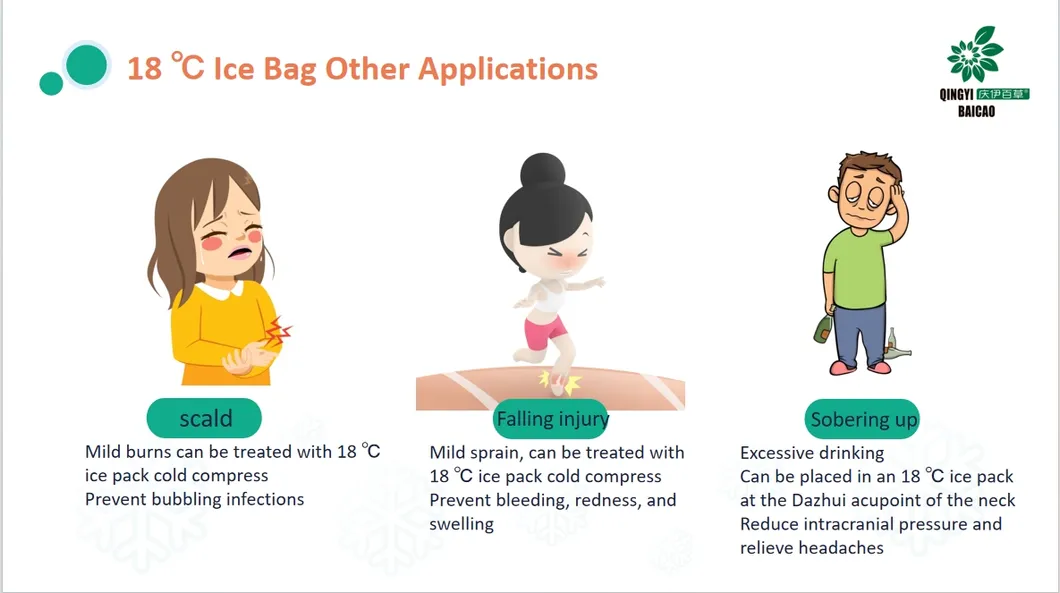
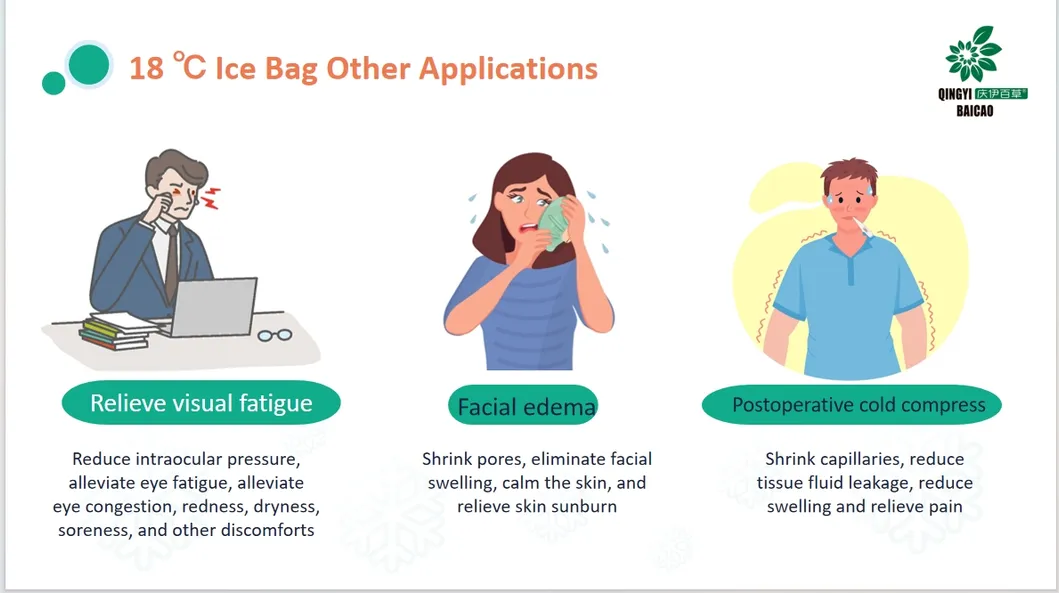
It is versatile and can be used on the head, abdomen, joints, back, shoulder, neck, waist, and hip area.
Is there a power source required for the constant temperature?
No, the product operates manually based on advanced material technology that maintains constant temperature without external power supplies.
What materials are used in the construction?
The outer material is high-quality PVC, designed for durability and safe contact with the skin.
What are the main clinical applications of this technology?
It is primarily used to reduce intracranial pressure, mitigate brain edema, protect neurons, and address issues related to ischemic hypoxic encephalopathy through mild hypothermia therapy.
 Syrup Medical