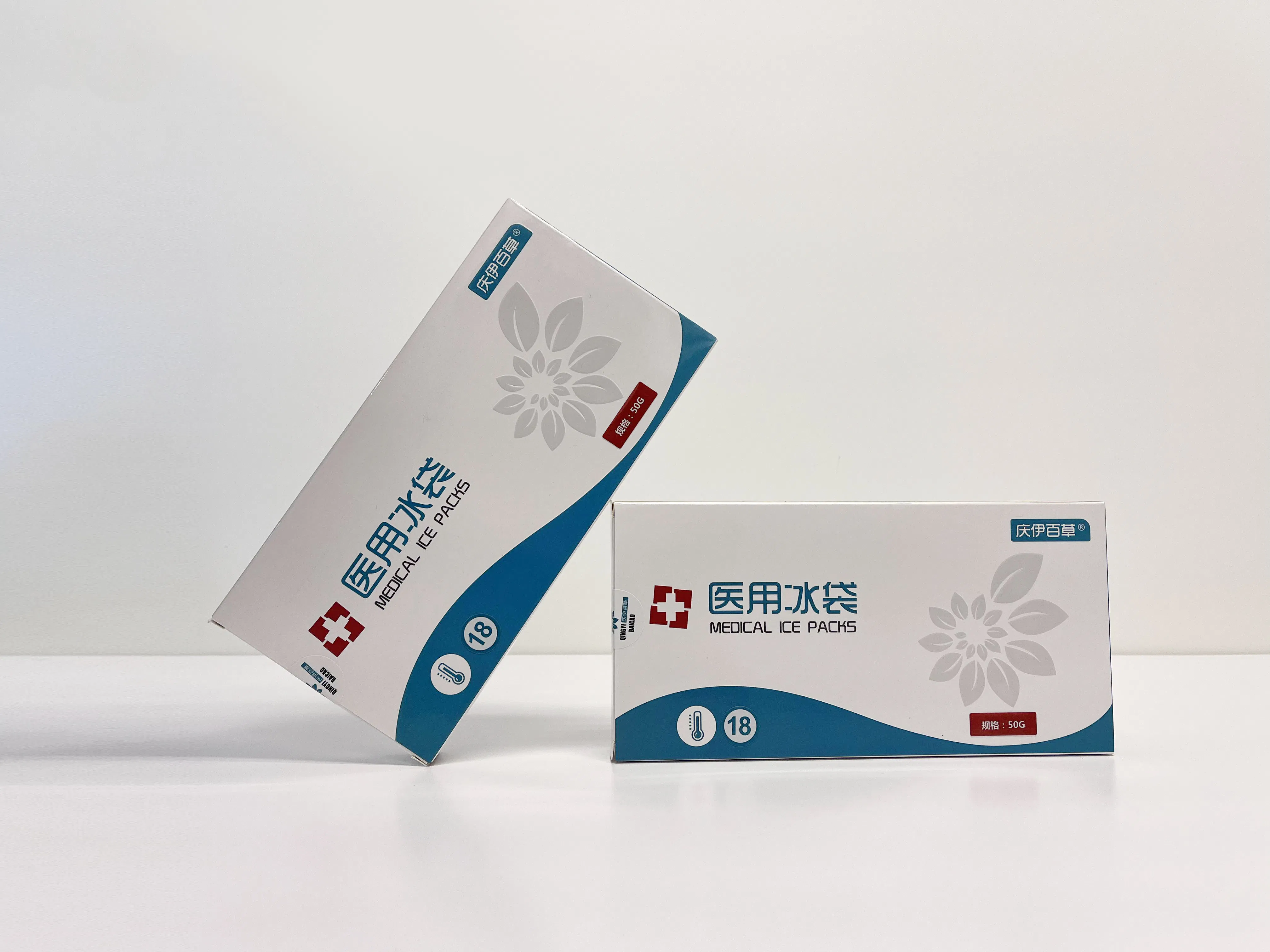
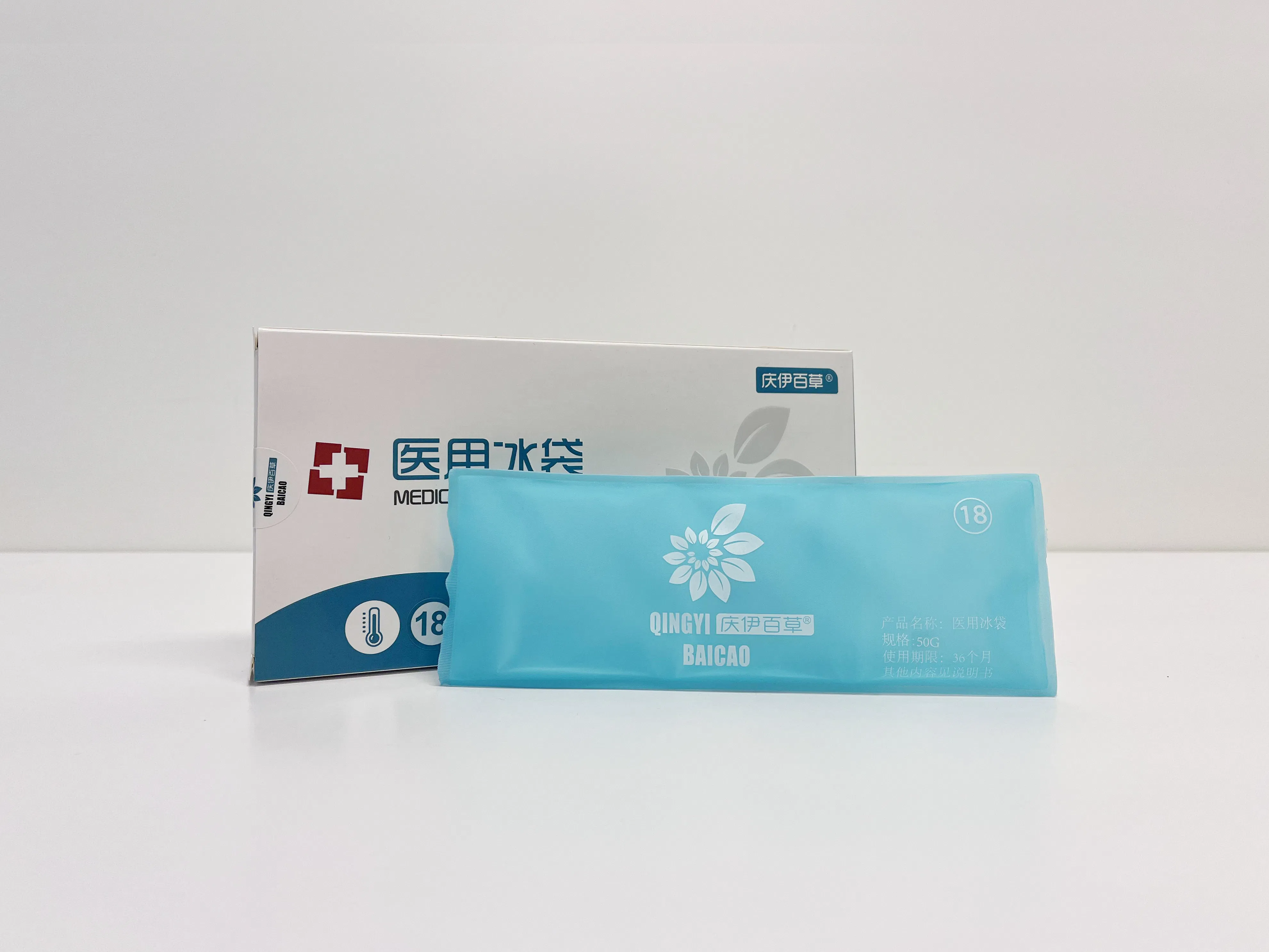
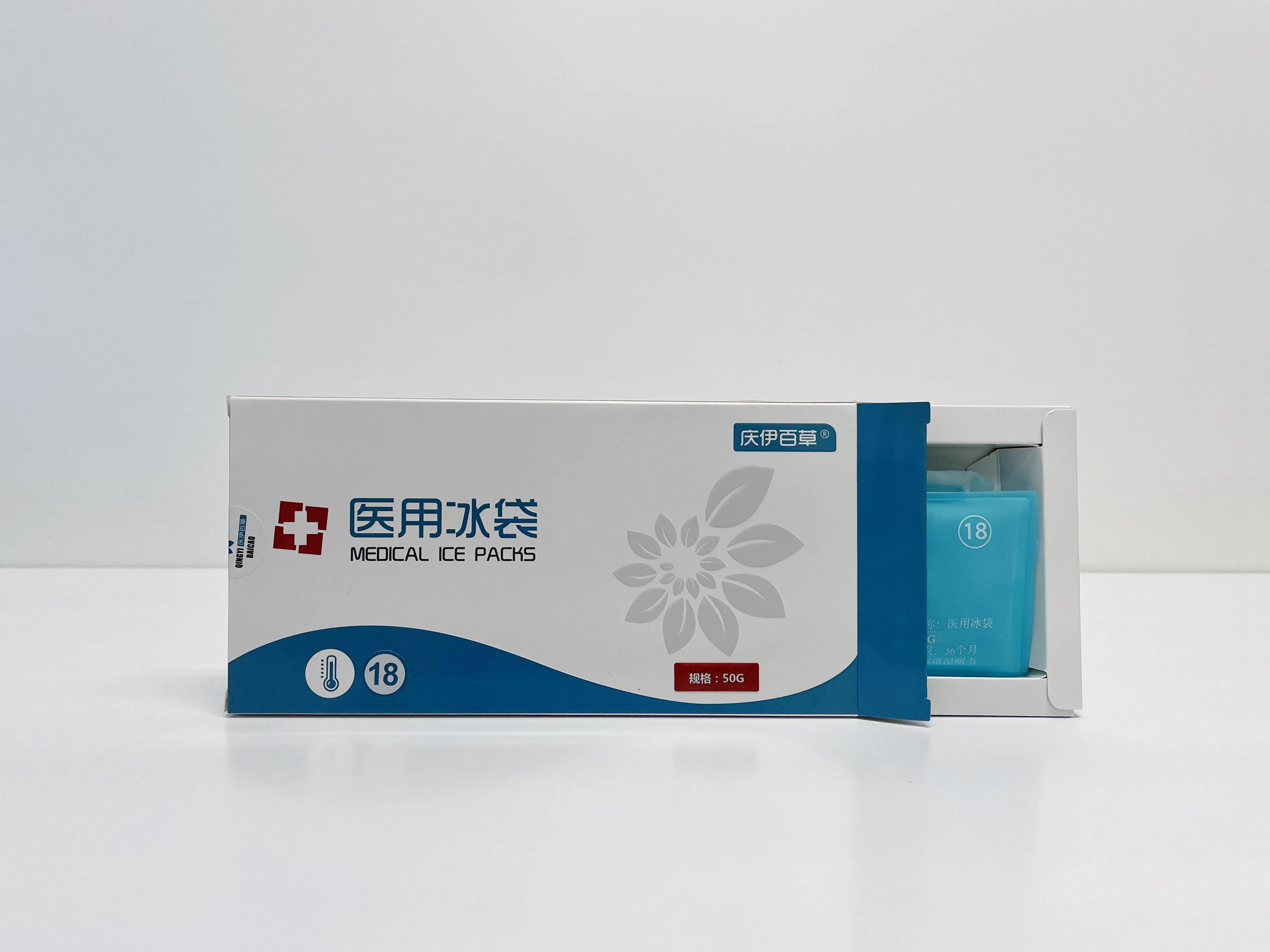
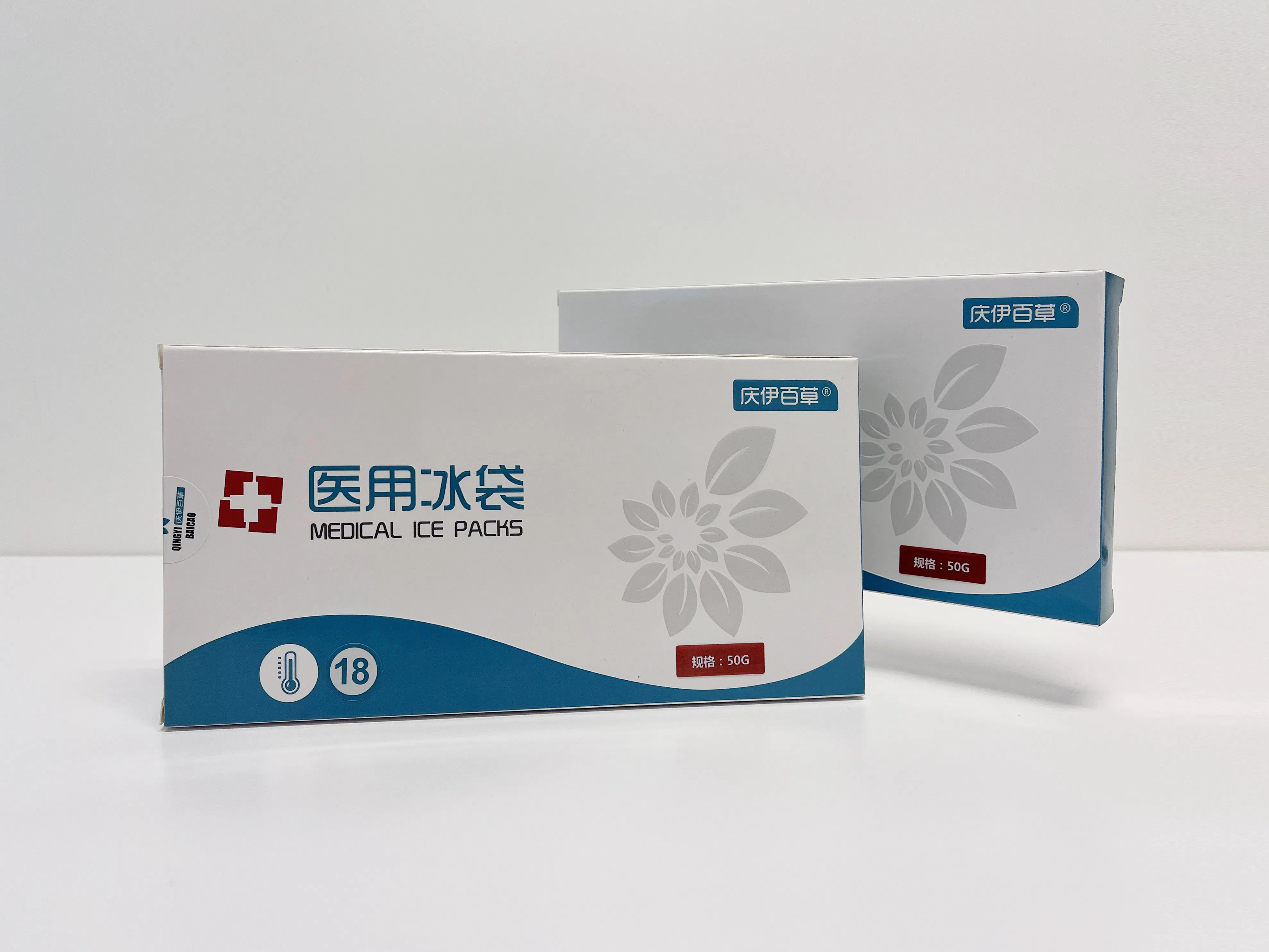
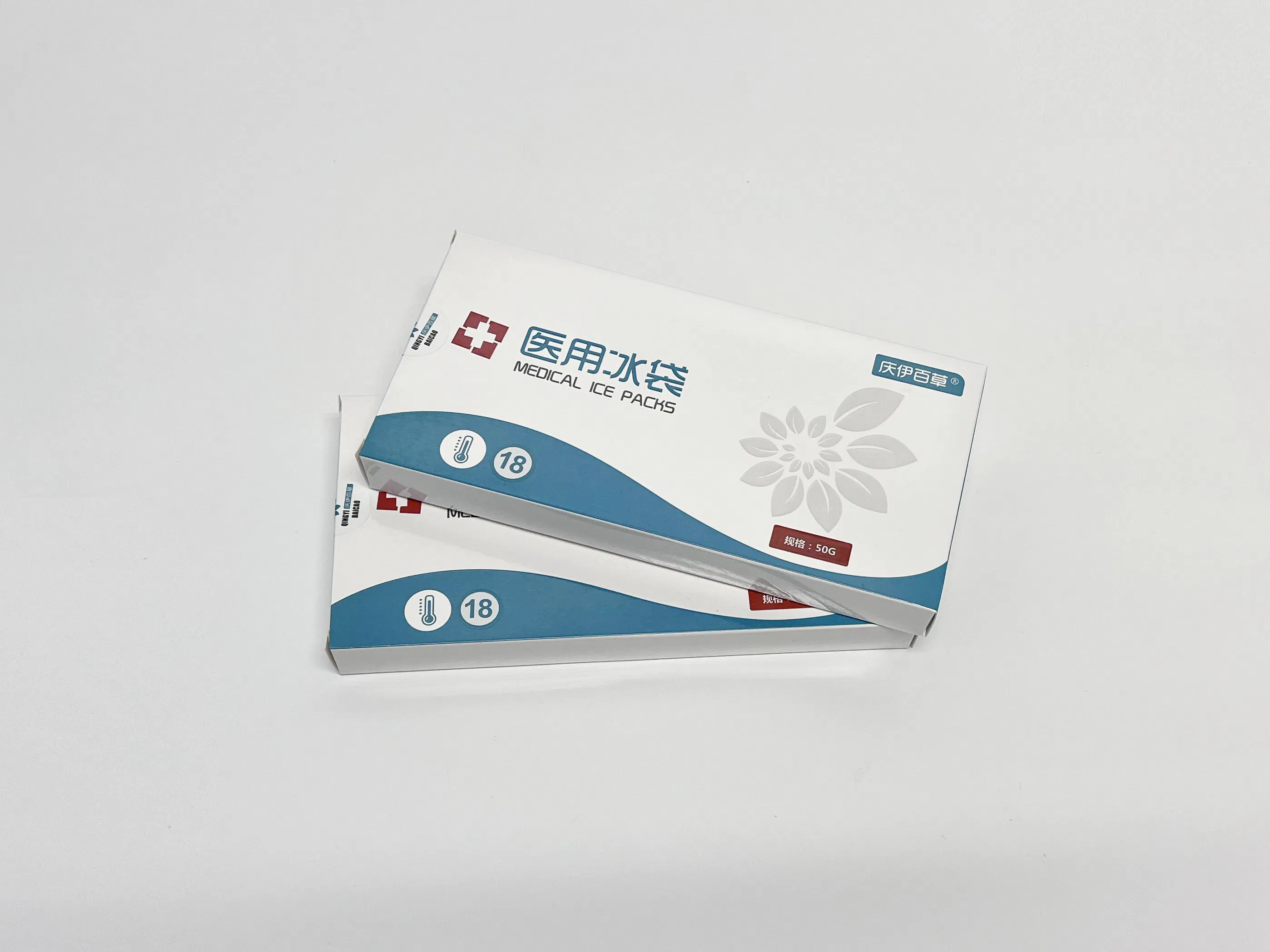
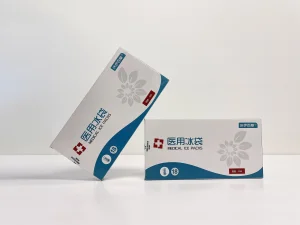
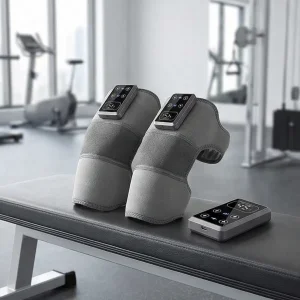
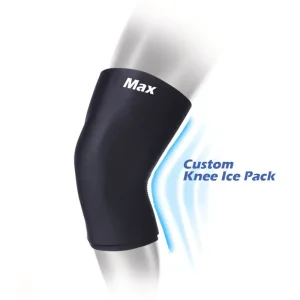
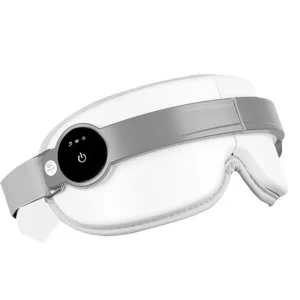
Hot Cold Pack with Cooler Bag for Medical Fever Reduction

Still deciding? Get samples of $ !
Request Sample

Product Description

Basic Information
Model NO.
18 degree 50g
Tilted
Tilted
Folded
Folding
Using Ambient
Outdoor, Indoor
Using Site
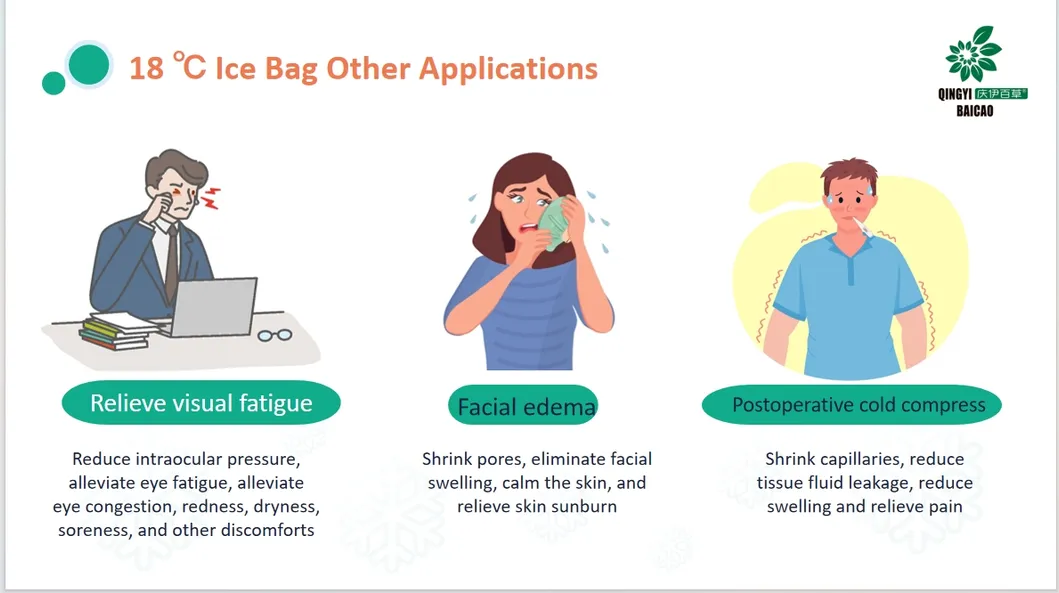
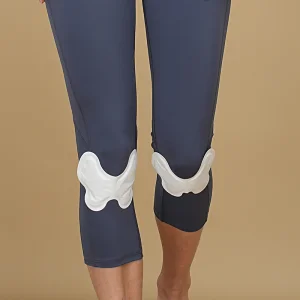
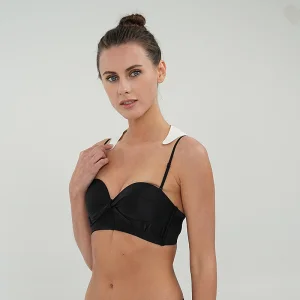
Hip, Joint, Skeleton, Back, Shoulder&Neck, Waist, Head, Abdomen
Power Supply
Manual
Color
Customized
Material
PVC
Transport Package
Carton
Specification
50g 100g
Trademark
customized
Origin
China
Production Capacity
10000PCS/Month
Product Description

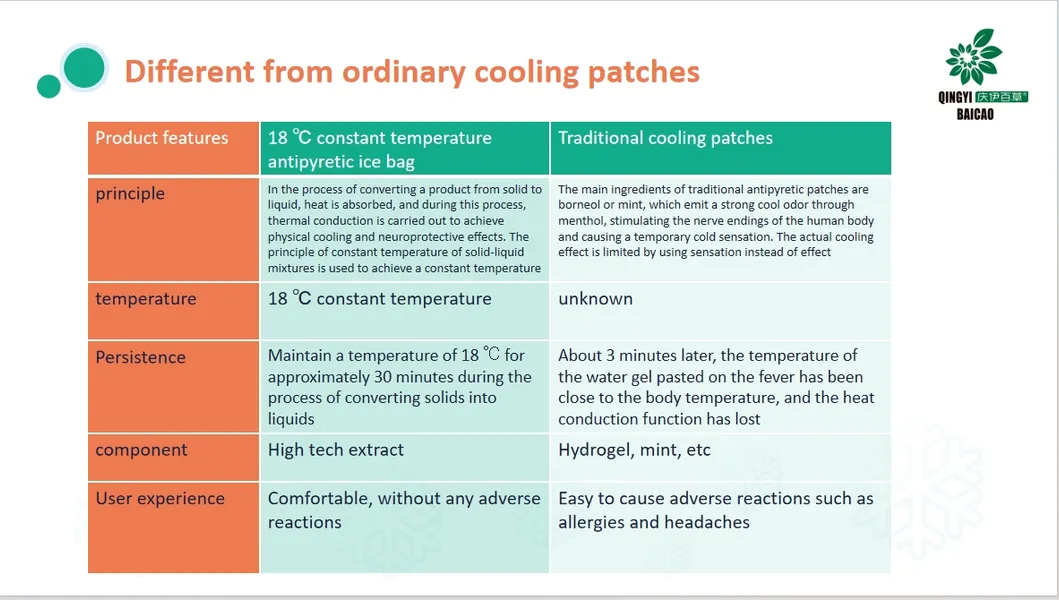
Revolutionary technological advancement keeps a steady, soothing temperature of 18 ºC, ensuring a consistent and reliable cooling experience.

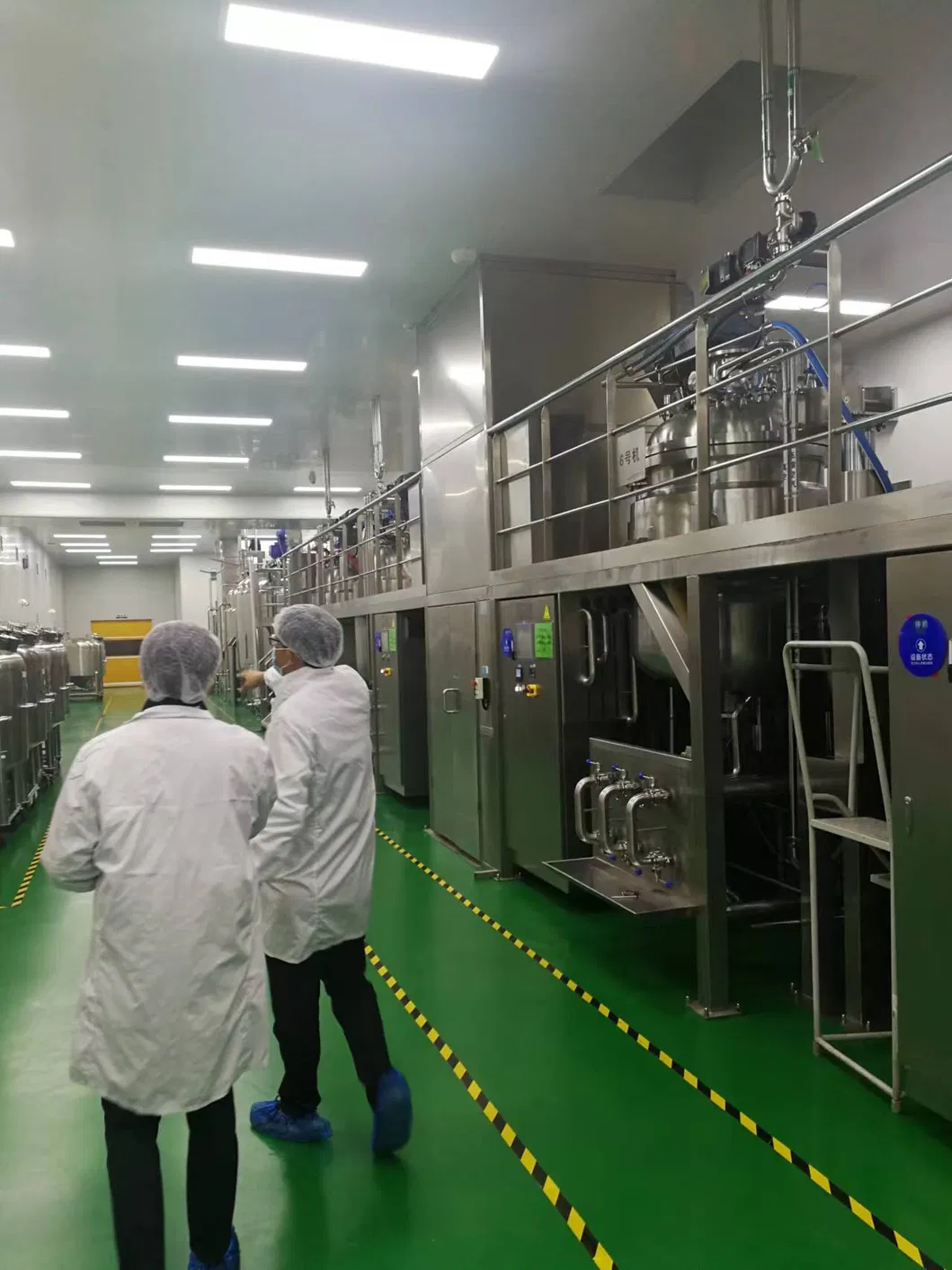
After a decade-long journey of meticulously selecting nearly a thousand different raw materials, constant temperature innovations have been pioneered. Breakthroughs include an array of products such as constant temperature ice bags, insulin storage cups, constant temperature hot compress bags, and constant temperature eye bags. These products can steadfastly maintain temperatures from a chilling -20 °C to -50 °C, with technologies widely adopted across various industries.

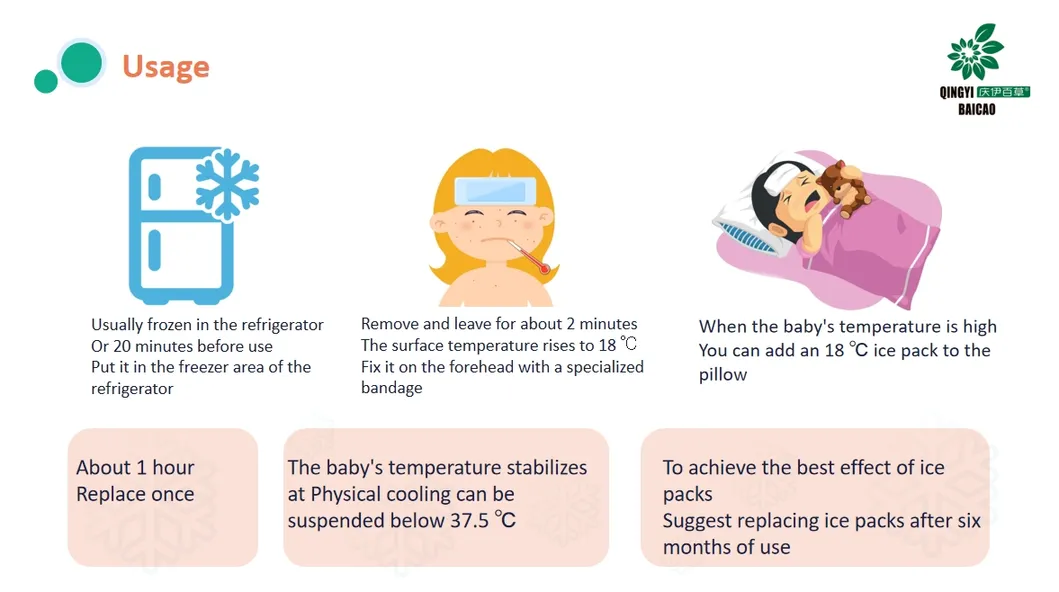
When children experience a cold or fever with body temperatures not exceeding 38.5 ºC, medical professionals usually suggest physical cooling methods as an effective, non-invasive approach. Common methods include using cold towels or wiping areas like the back and armpits with warm water. However, many parents struggle to perfect these scientific cooling techniques, seeking a more reliable, user-friendly solution.

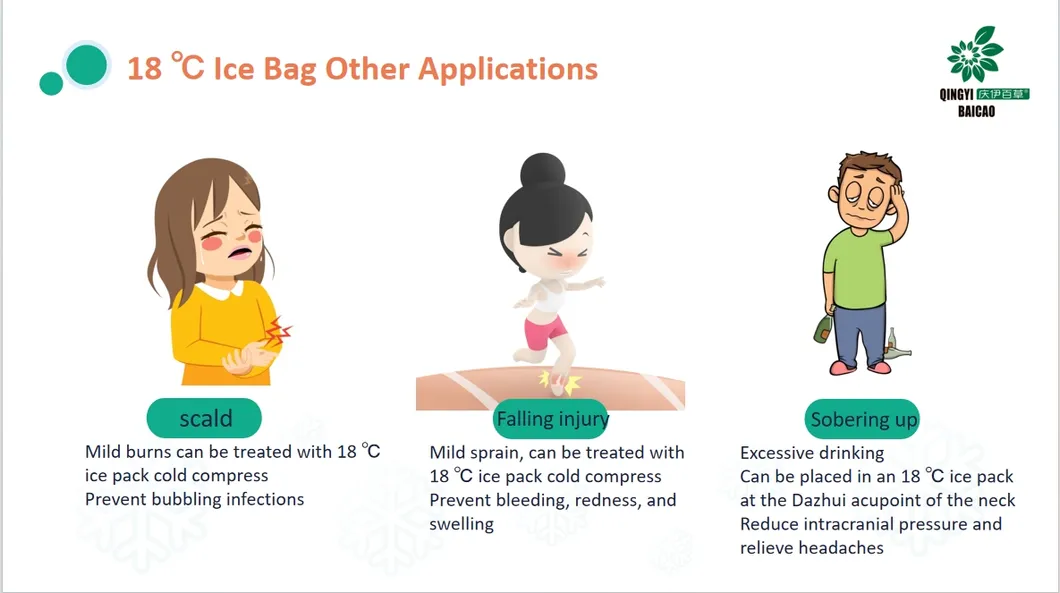
Baby skin is delicate and may suffer frostbite below 10 ºC. Temperatures between 10-15 ºC can cause stinging and discomfort. The ideal cooling temperature is 18 ºC, recognized as the optimal setting for physical cooling. In hospital intensive care units, this temperature is crucial, as it is also used in brain protection equipment, highlighting its efficacy and safety.

In 1987, Busto introduced the mild hypothermia brain protection concept, which defines a body surface temperature of 30 ºC to 35 ºC and an external cold compress device temperature of 18 ºC to 20 ºC. This groundbreaking research in low-temperature therapy has captured the medical community's interest anew. Presently, brain cooling devices in clinical use serve to reduce intracranial pressure, mitigate brain edema, protect neurons from damage, and lessen the complications and sequelae associated with ischemic hypoxic encephalopathy.
Frequently Asked Questions
What is the optimal temperature for physical cooling?
The optimal temperature for physical cooling is recognized as 18 ºC. It provides a steady, soothing experience that is safe for the skin.
Why is 18 ºC specifically recommended for babies?
Baby skin is very delicate. Temperatures below 10 ºC can cause frostbite, and 10-15 ºC may cause stinging. 18 ºC is both effective and safe for infants.
Can this product be used for clinical brain protection?
Yes, based on the mild hypothermia concept, external cold compress devices at 18 ºC to 20 ºC are used to reduce intracranial pressure and protect neurons.
What materials are used in the product?
The product is primarily made of PVC, ensuring durability and effectiveness for constant temperature maintenance.
When should physical cooling be used for children?
Physical cooling is usually suggested by medical professionals when body temperatures do not exceed 38.5 ºC as a non-invasive approach.
What body areas can this product be applied to?
It can be used on various sites including the hip, joints, back, shoulder, neck, waist, head, and abdomen.

Related Products