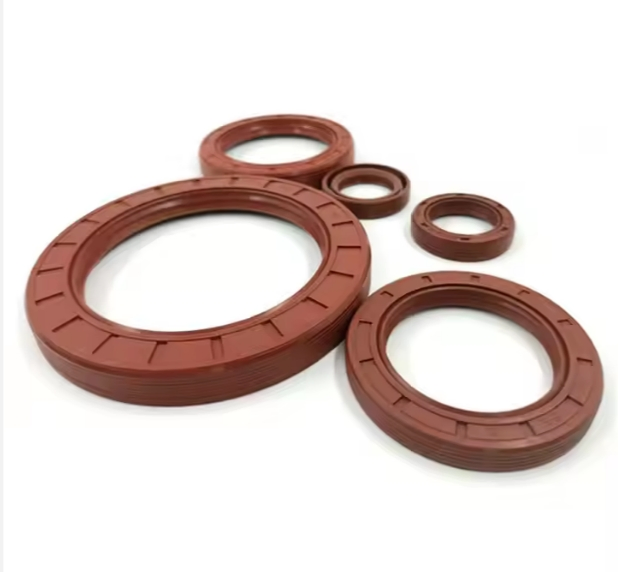
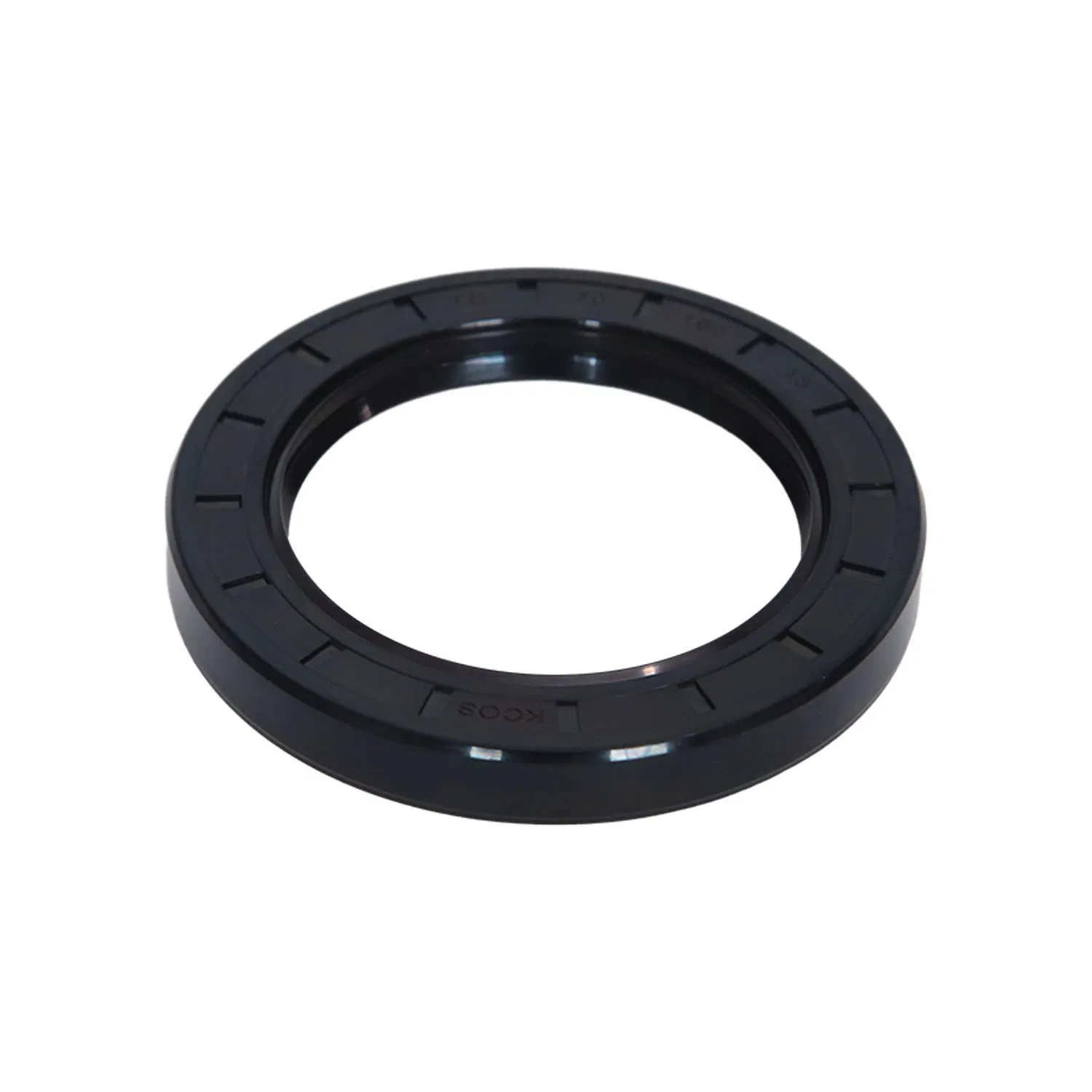
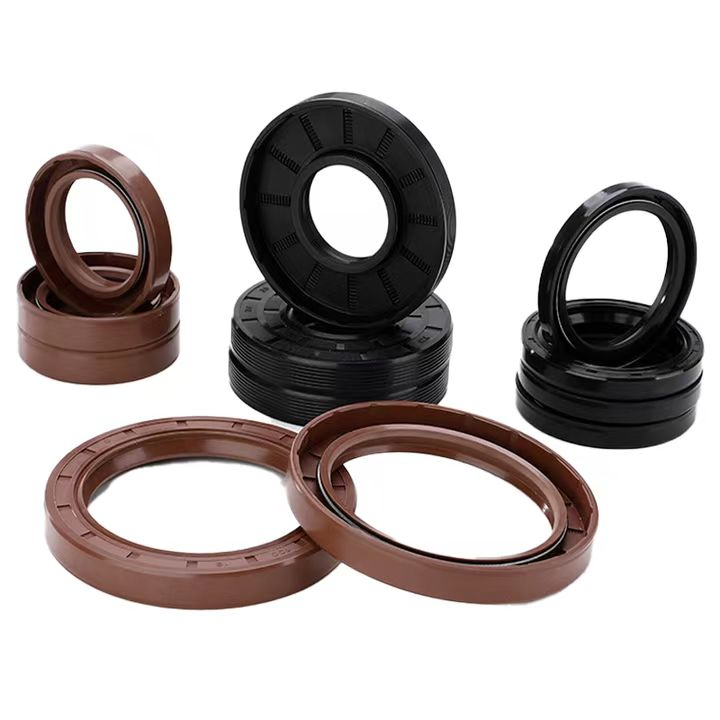
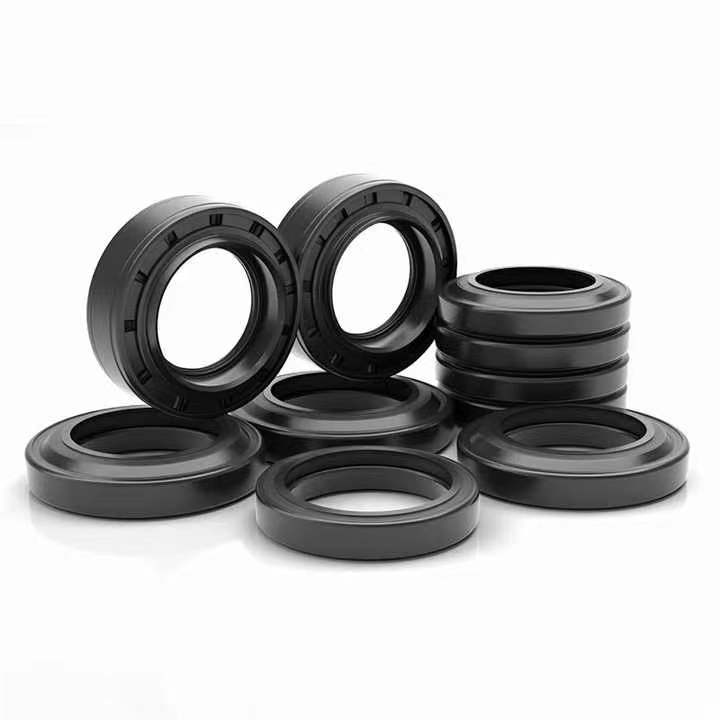
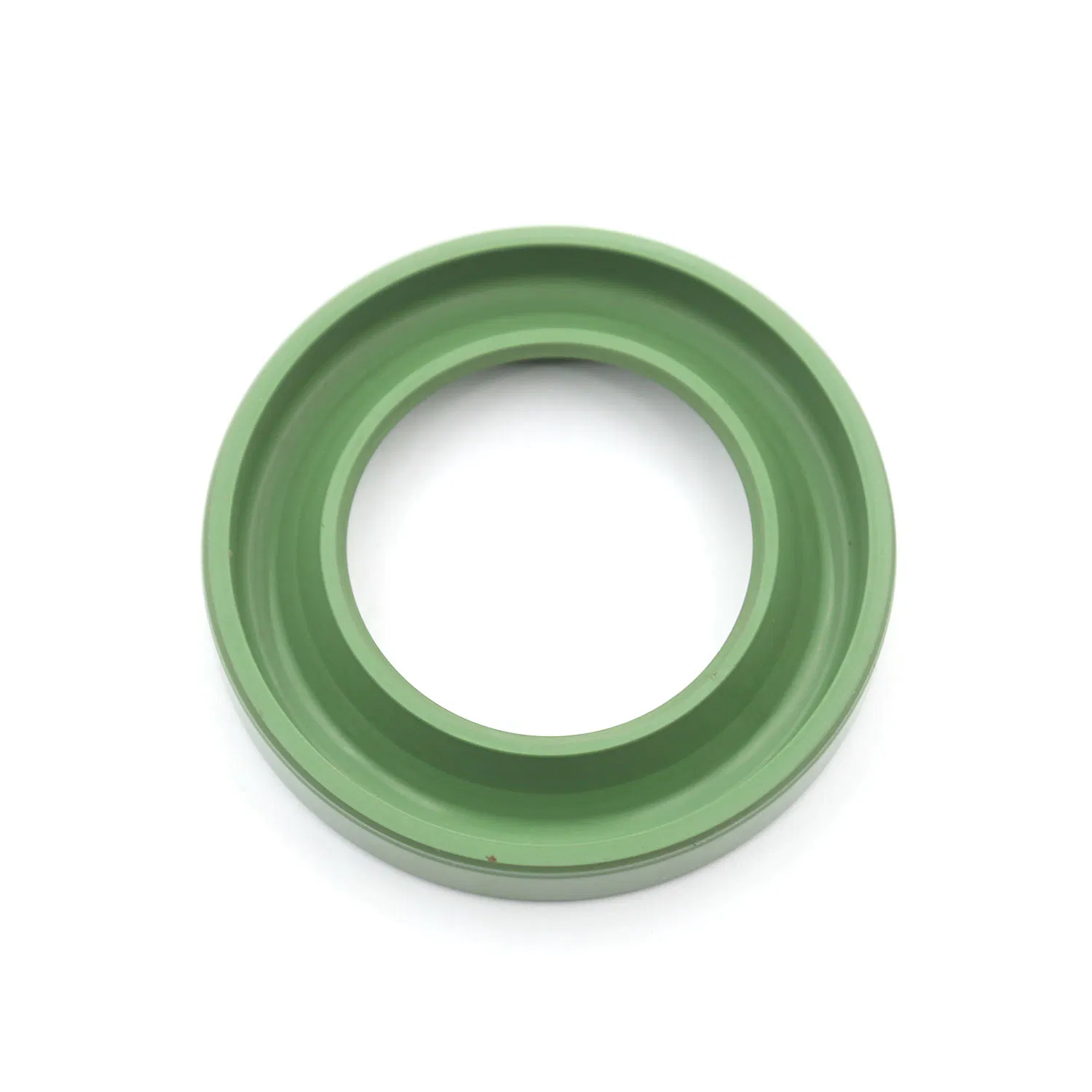
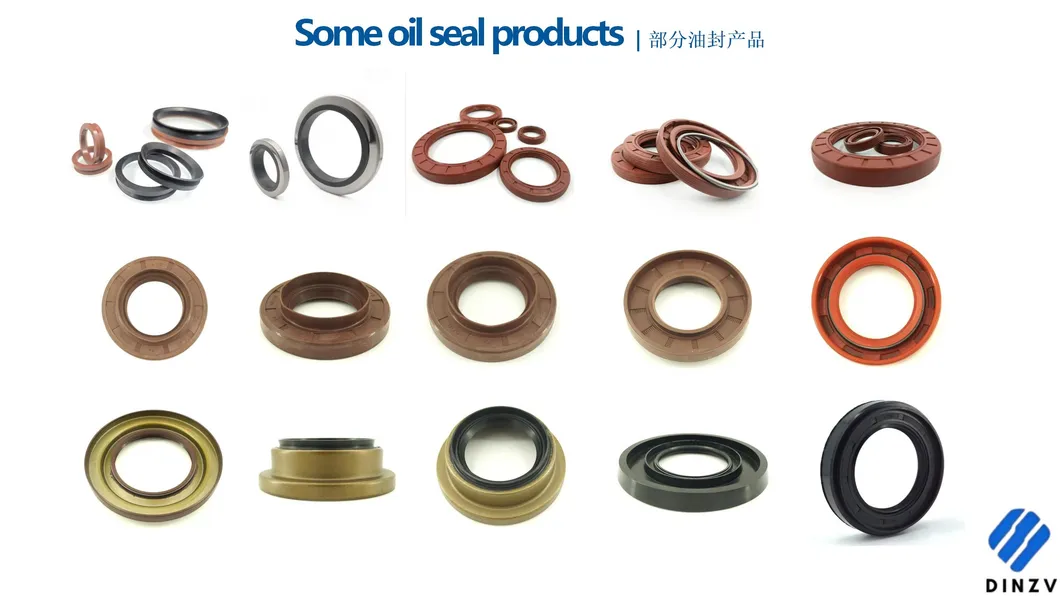
Oil seals, also known as shaft seals or grease seals, are essential components used to prevent lubricating oil or other fluids from leaking out of the machinery. They are commonly installed on rotating shafts or bearings in various mechanical equipment, such as engines, gearboxes, pumps, and axles. Oil seals typically consist of an outer metal ring or casing, an inner sealing lip made of rubber or elastomeric material, and a spring to provide tension on the sealing lip against the shaft surface. The sealing lip comes into contact with the rotating shaft, creating a barrier to prevent the escape of lubricants and the ingress of contaminants. These seals play a crucial role in maintaining the efficiency and longevity of machinery by preventing oil leaks that can lead to component damage, loss of lubrication, and ultimately, equipment failure. They come in various sizes, materials, and designs to suit different operating conditions and requirements.
| Seal Types |
TC, SC, TB, SB, TA, SA |
| Model Availability |
Standard size and customizable |
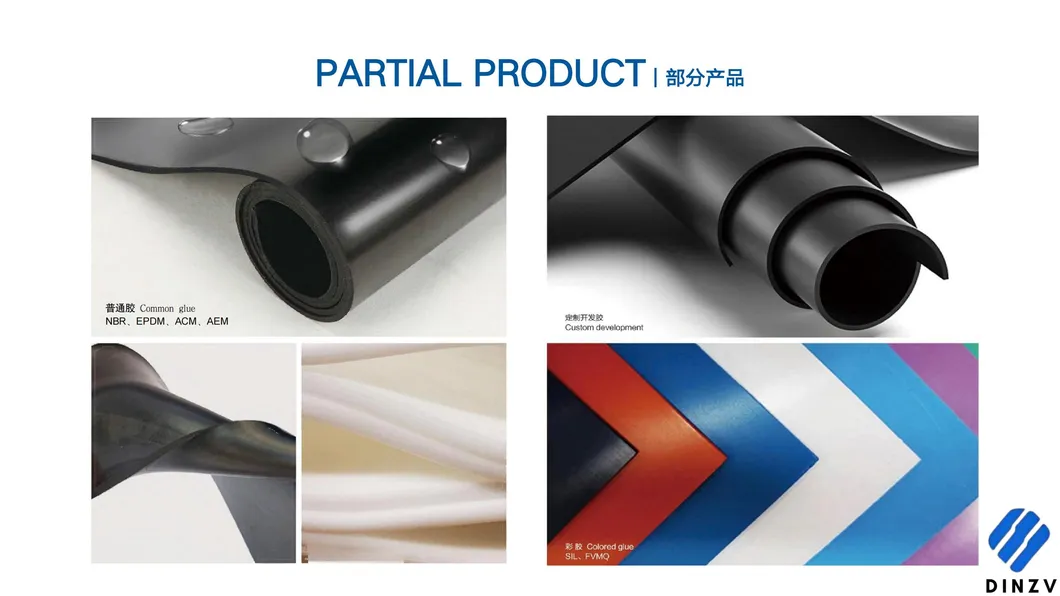
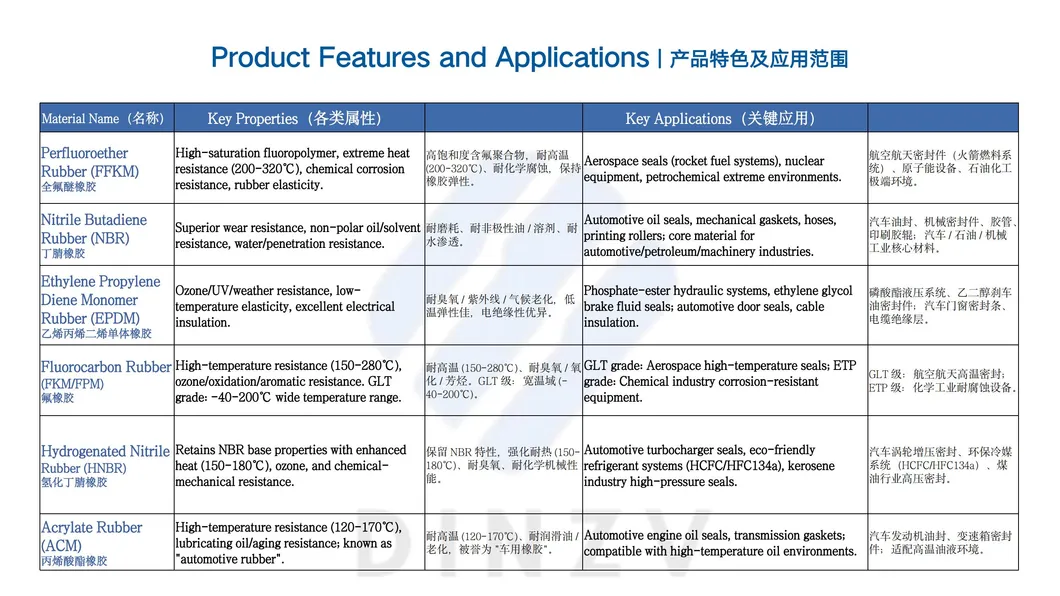
| Materials |
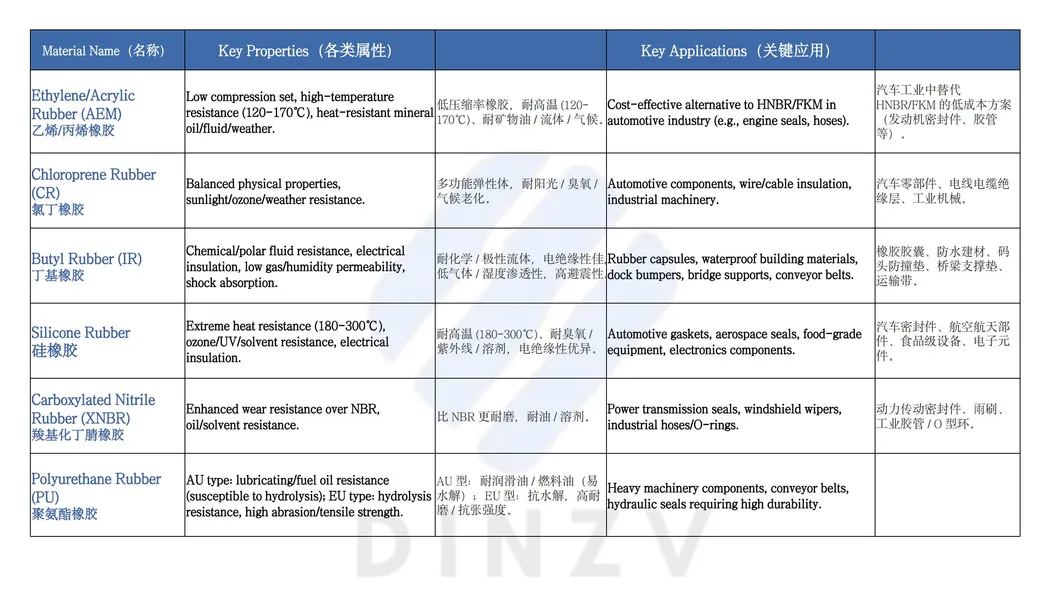
NBR, FKM (Viton), and others |
| Applications |
Industrial Machinery, Automotive, etc. |
Frequently Asked Questions
What is the primary function of an oil seal?
The primary function is to prevent lubricating oil or fluids from leaking out of mechanical equipment while simultaneously preventing dust and contaminants from entering the system.
What are the main components of these seals?
They typically consist of a metal casing for structural rigidity, an elastomeric sealing lip (often NBR or FKM), and a garter spring to maintain contact pressure on the shaft.
In which industries are these seals used?
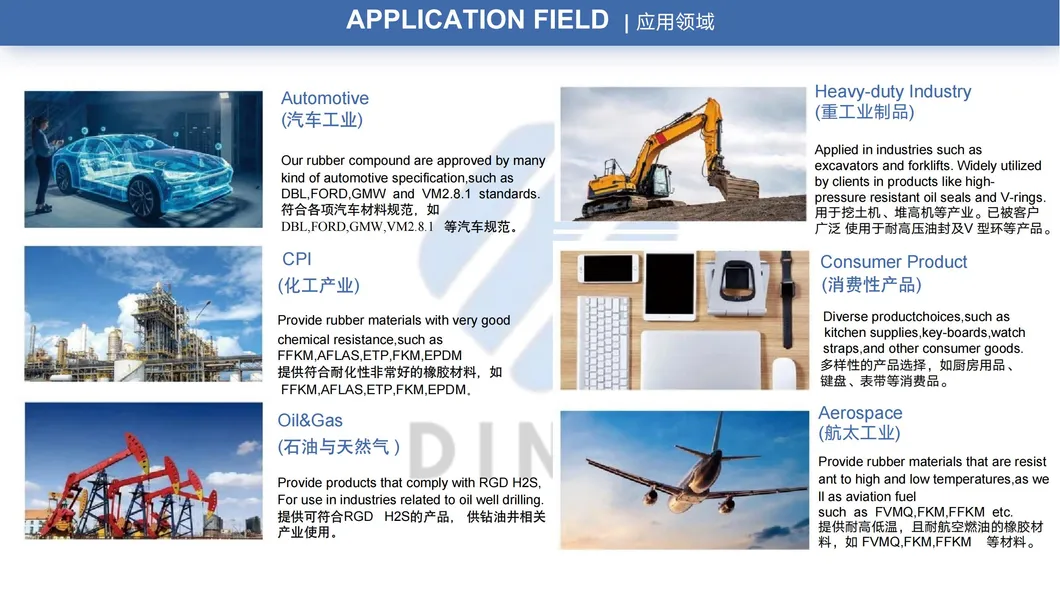
They are widely used in automotive manufacturing, industrial machinery, gearboxes, agricultural equipment, and various pumping systems.
What is the difference between NBR and FKM materials?
NBR (Nitrile) is excellent for standard oil and wear resistance at moderate temperatures, while FKM (Viton) offers superior resistance to high temperatures and aggressive chemicals.
Can you provide customized sizes?
Yes, in addition to standard metric and imperial sizes, custom dimensions can be manufactured to meet specific mechanical requirements.
How does a composite lip design benefit the machinery?
A composite lip provides an extra layer of protection, often acting as a secondary dust lip to ensure the main sealing surface remains clean and functional for a longer lifespan.
 Syrup Medical