Fuel
Diesel Oil, Natural Gas, LPS
Type of Waste
Medical Waste
Feeding Type
Hydraulic Feeding Device
Harness the power of our incinerator for efficient treatment of dirt mud type and ointment shape waste.
Offering centralized solutions for the treatment of industrial waste with cutting-edge technology.
Providing centralized solutions for medical waste management, ensuring safety and compliance.
Automatic material filling and hassle-free ash output for operational convenience.
Zero smoke, odor-free operation with no risk of secondary pollution and low operational costs.
Revolving-type incinerator body combined with multi-phase burning for superior combustion efficiency.
Minimal ash residue with a heat alkali burning rate exceeding 90%.
Efficiently processes different types of waste regardless of moisture content.
Advanced automatic control technology for safe, reliable equipment operation and outstanding economic returns.
| Waste Type |
Combustion Temp (ºC) |
Smoke Residence Time (S) |
Combustion Efficiency (%) |
Removal Rate (%) |
Thermal Reduction Rate (%) |
| Hazardous Waste |
≥1100 |
≥2 |
≥99.9 |
≥99.99 |
<5 |
Handling Capacity: 50-5000kg/h
⚙
Process Flow Description
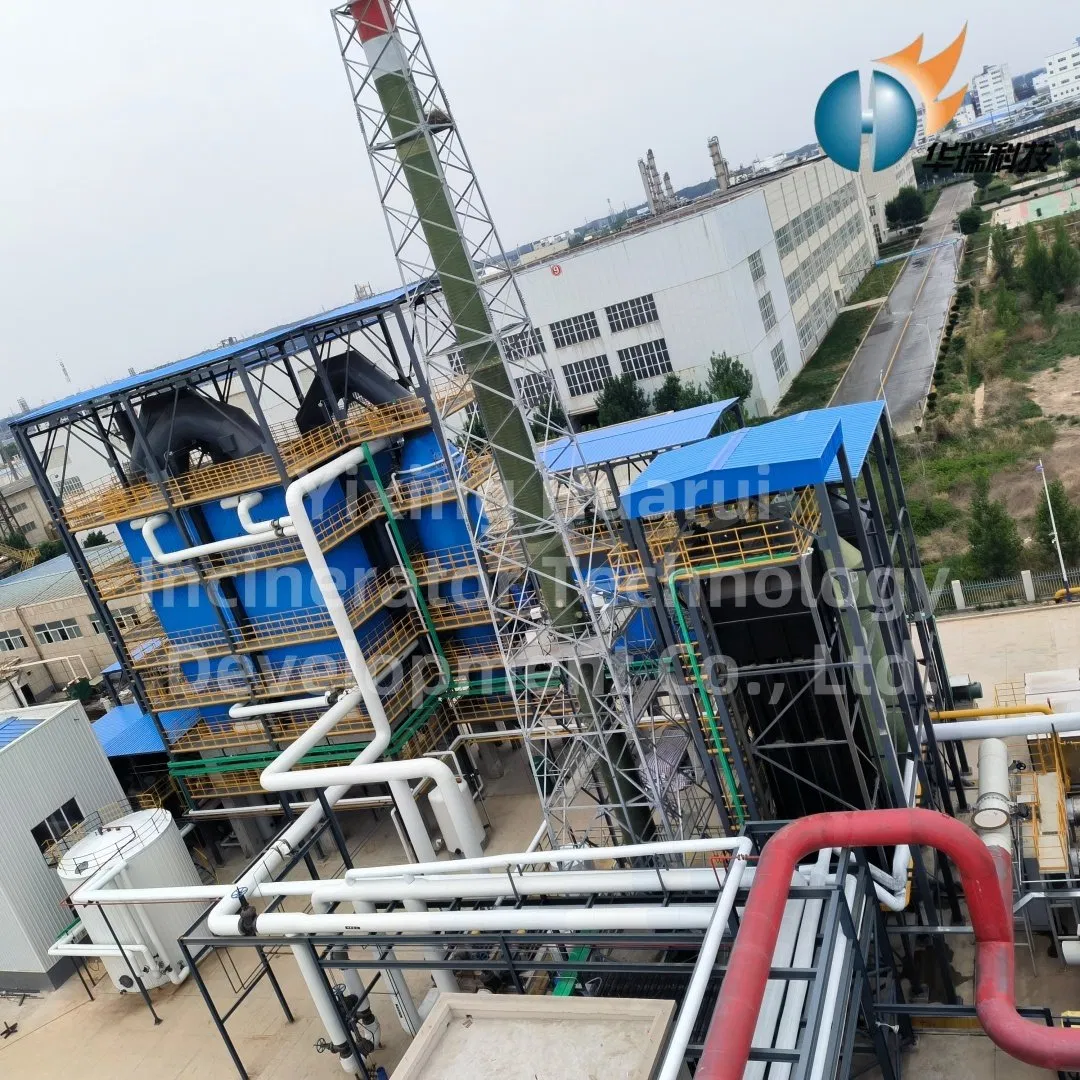
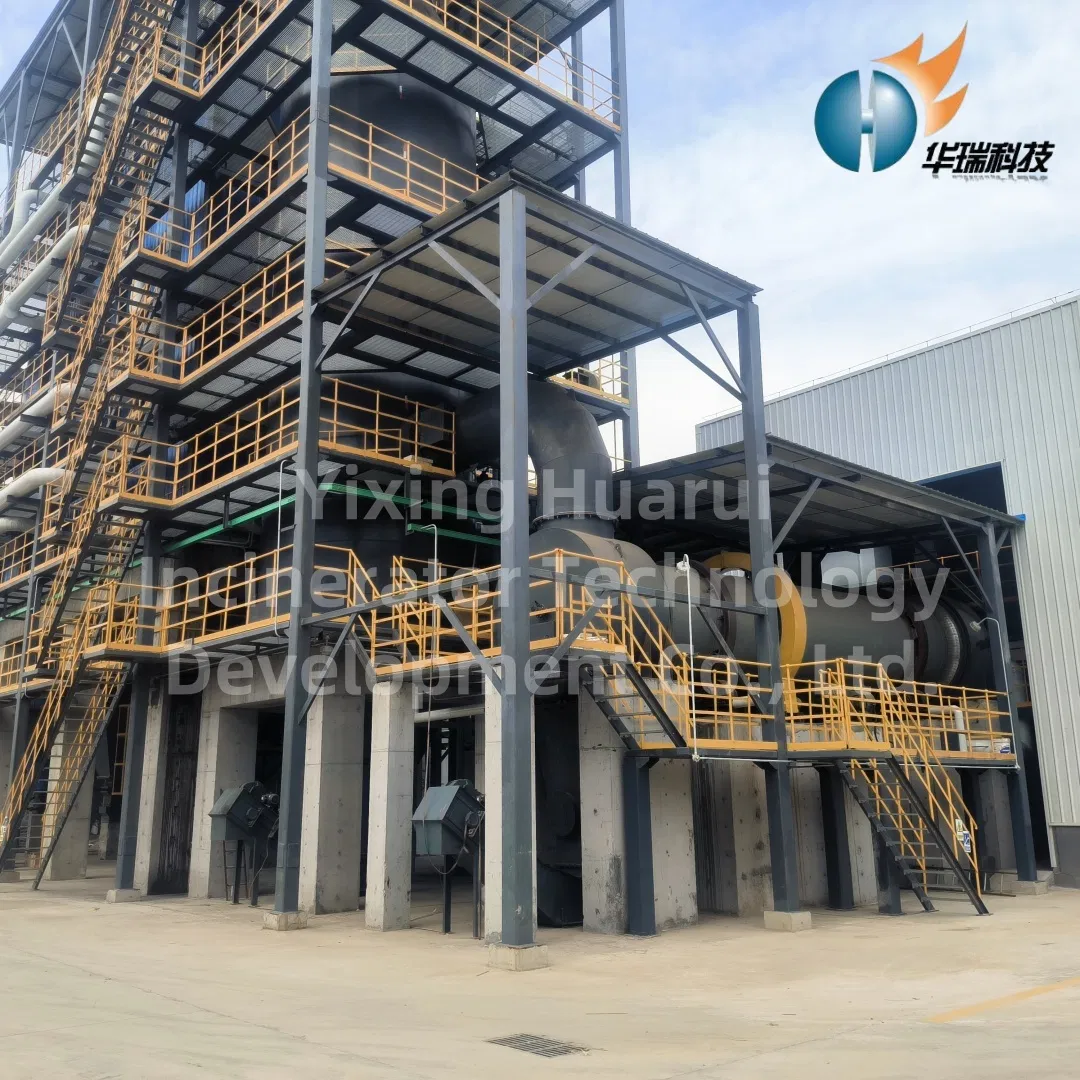
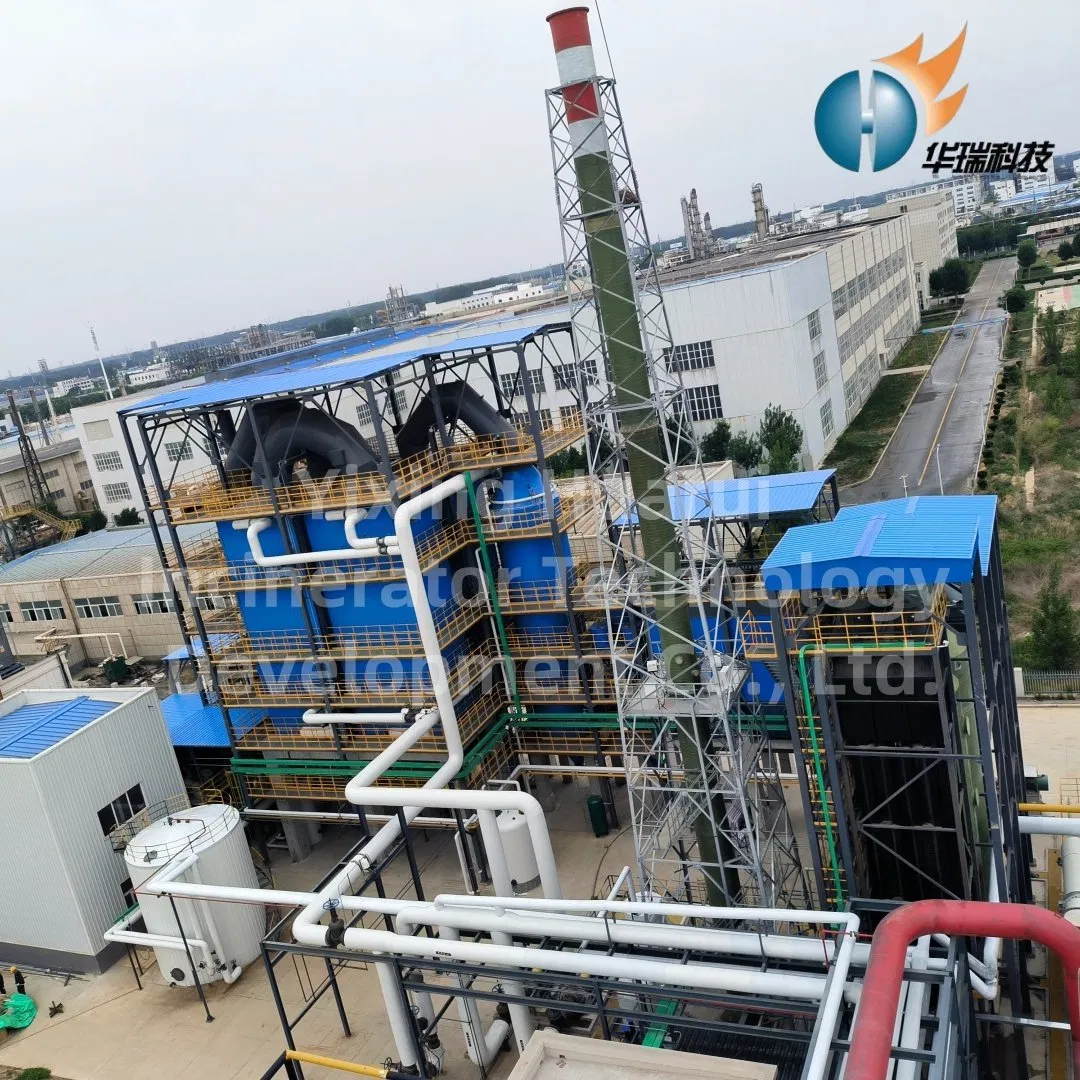
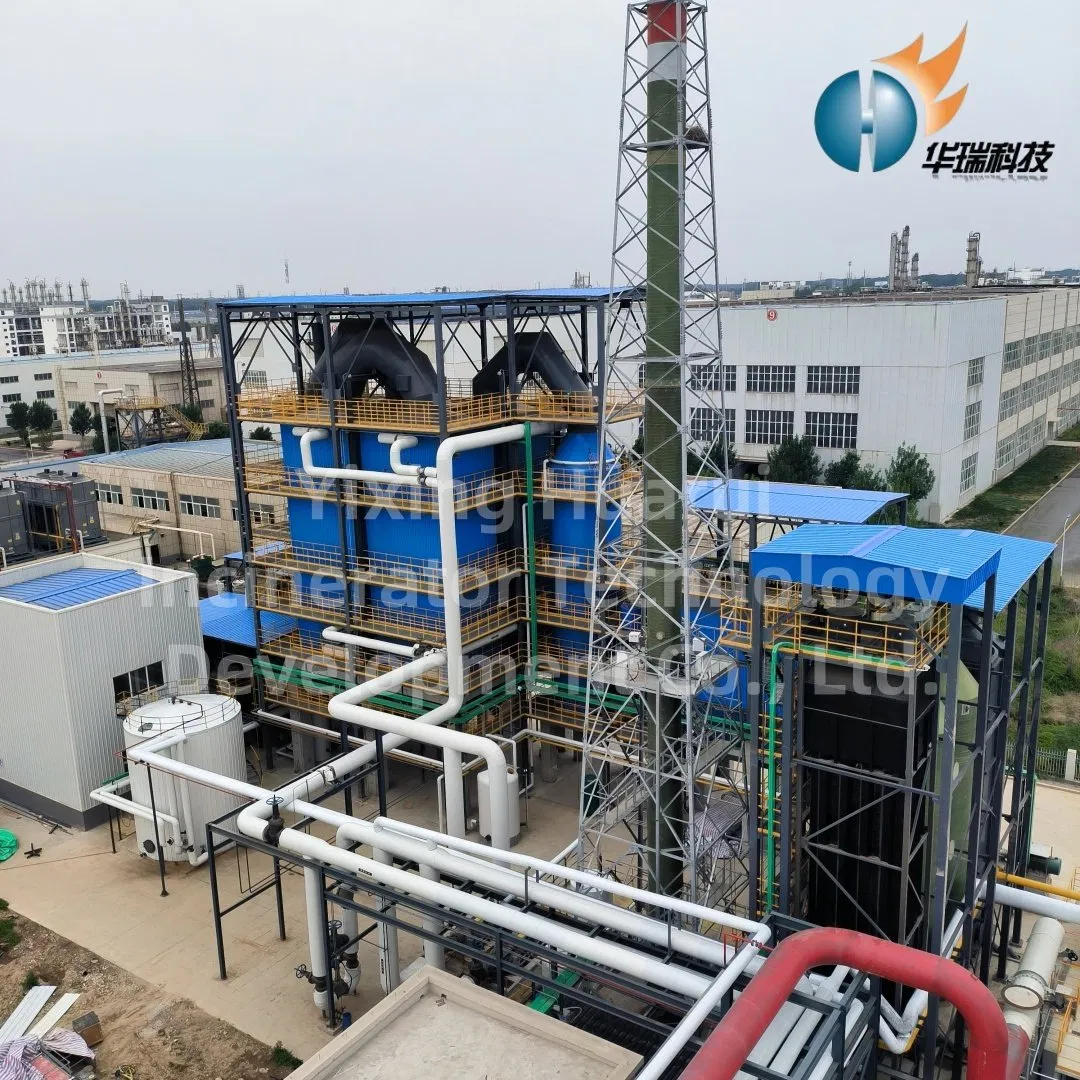
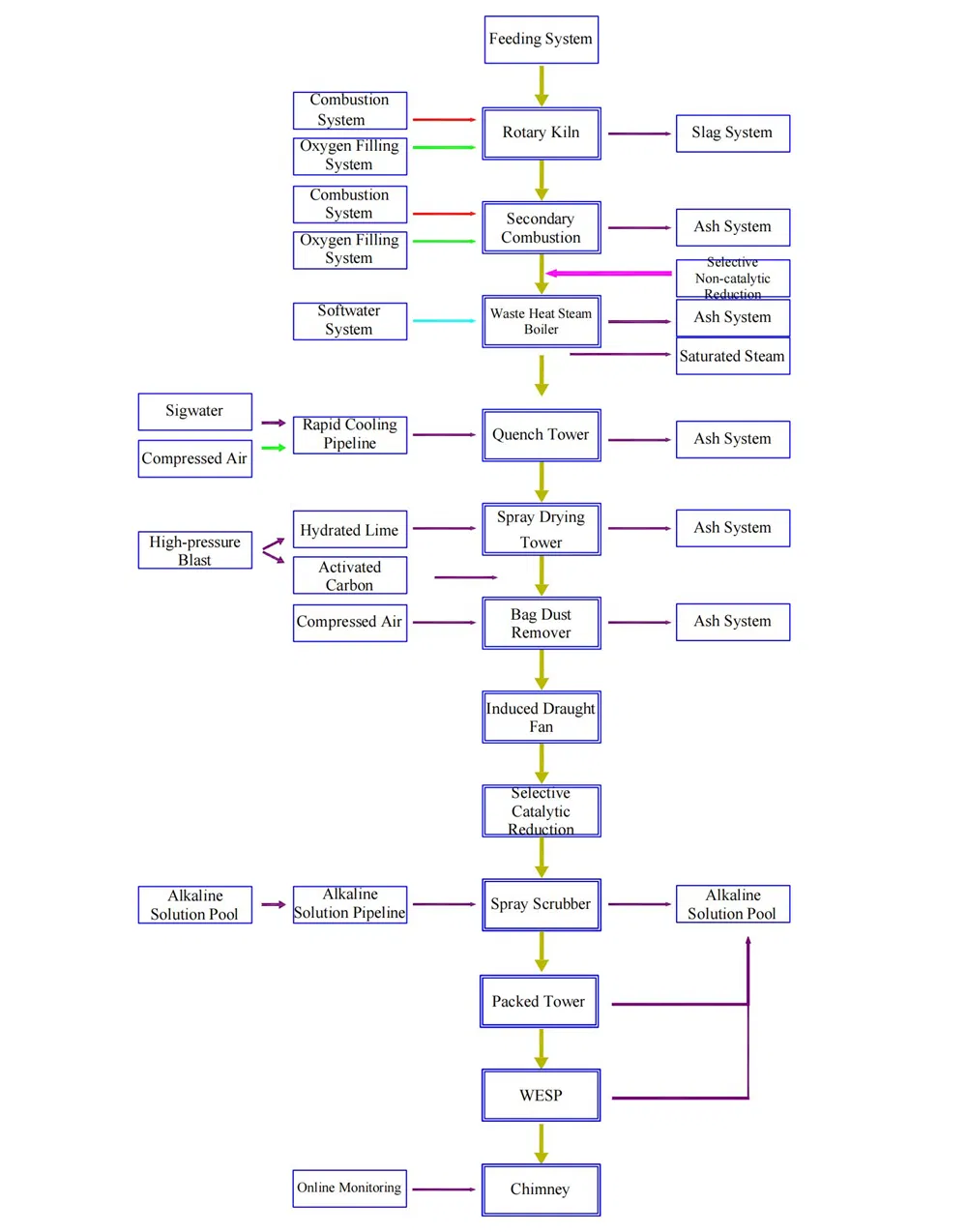
The process begins as light diesel oil is delivered to the burner through a precision oil pipeline. An automatic ignition system raises the furnace temperature within 30 minutes. Once optimal temperature is reached, the waste conveying system introduces finely crushed particles into the combustion chamber via a high-pressure fan. Guided by the 3T principle—temperature, time, and turbine flow—waste undergoes oxidative pyrolysis and combustion.
Post-combustion, tail gas is reburned and oxidized in a secondary combustion chamber. Flue gas transitions into a waste heat boiler, cooling and recycling into steam for factory use. The process continues through an air heat exchanger and a dust collector to eliminate tiny particles before a spray system conducts final dust removal and washing. Standard gas is safely discharged via the chimney, while metal oxides in the ashes are extracted for responsibility transfer or reuse.
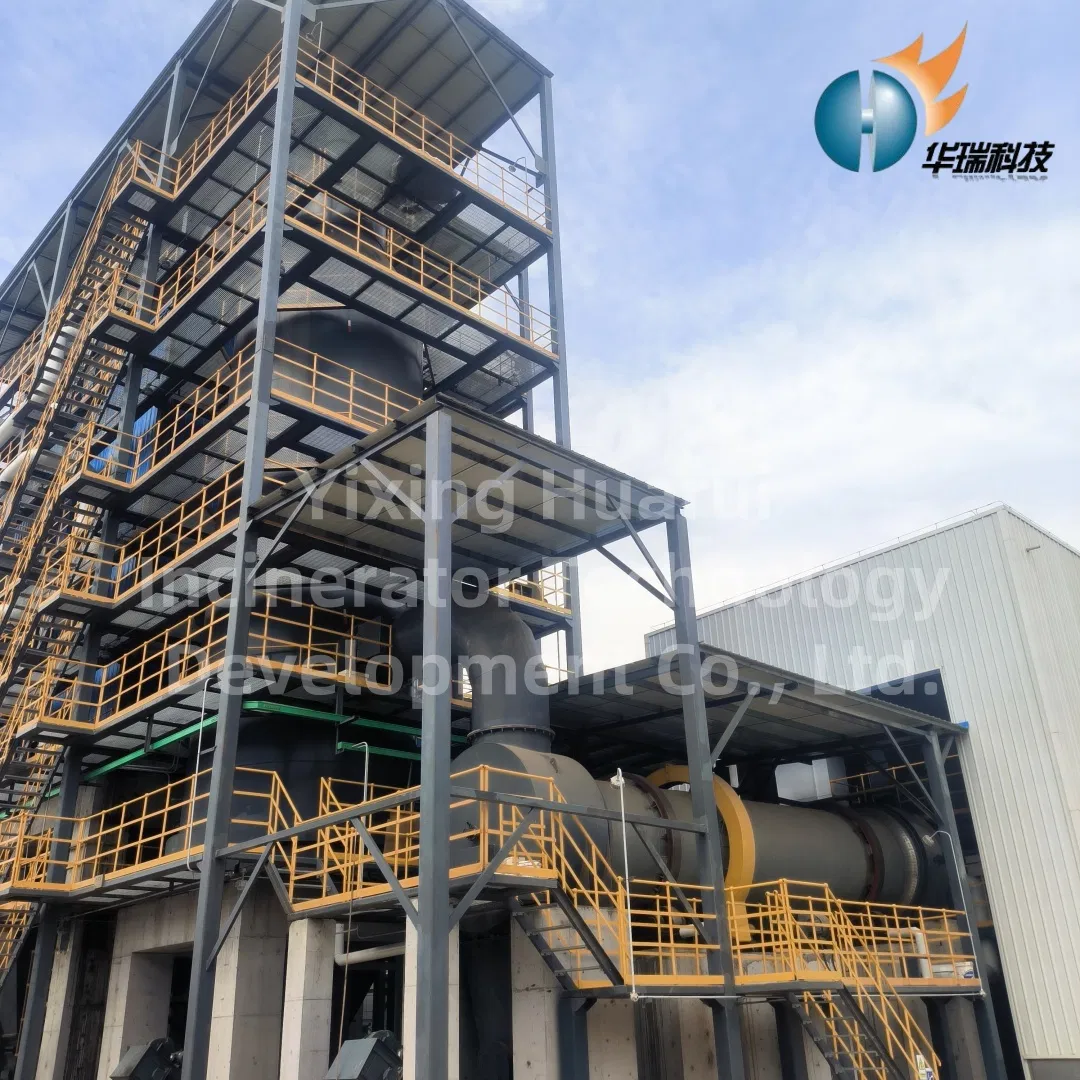
The system includes: Crusher, frequency conversion feeding motor, high-pressure conveying fan, rotary kiln, driving device, supporting device, secondary chamber, waste heat boiler, air heat exchanger, multi-pipe dust collector, spray tower, exhaust fan, chimney, diesel pipeline system, diesel ignition and combustion machine system, automatic control system, and operational platform with liquid atomizer.
🏢
Technology Development & Expertise
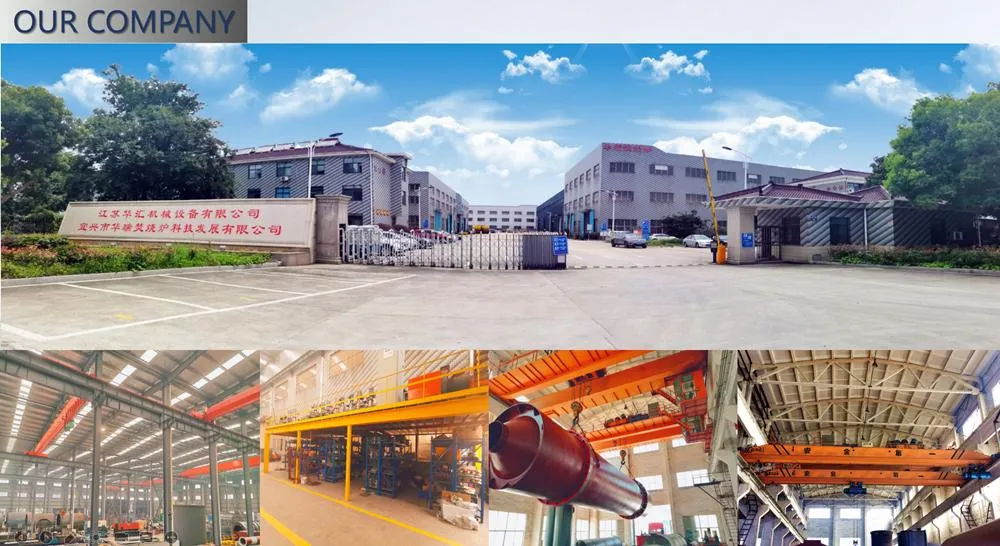
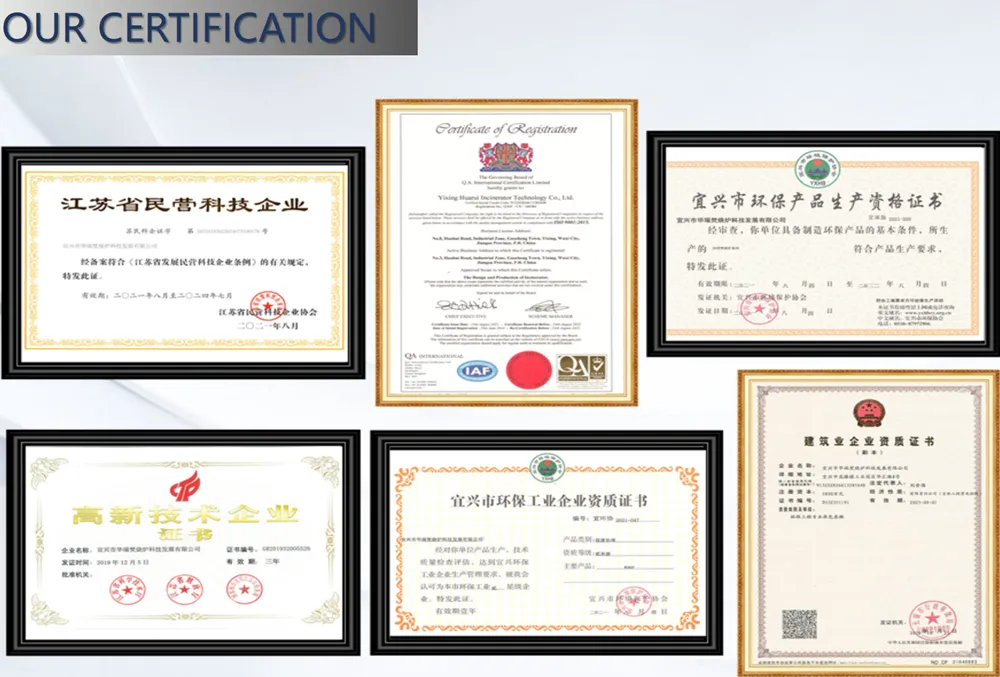
Our dynamic team operates within an expansive 33,000-square-meter facility, recognized as a state-certified high-tech enterprise. We hold international quality management system certifications and specialize in a diverse range of incineration solutions, including liquid, gas, and solid waste incinerators.
The specialization includes a variety of furnace types: versatile rotary kilns, efficient solid and liquid incinerators, and robust exhaust gas direct combustion furnaces. We also focus on RTO regenerative incinerators and dedicated medical waste management systems. Comprehensive services span the entire process from preliminary feasibility studies and design to manufacturing, installation, and after-sales tracking.
?
Frequently Asked Questions
What types of waste can the HR-X incinerator handle?
The system is designed for medical waste, industrial hazardous waste, dirt mud type waste, and ointment shape materials. It can process waste with varying moisture content efficiently.
What is the combustion efficiency of this equipment?
The HR-X model achieves a combustion efficiency of ≥99.9%, with a burning rate of 99.9% and an incineration removal rate of ≥99.99%.
Is the incineration process environmentally friendly?
Yes, the system ensures zero smoke and odor-free operation. It uses a secondary combustion chamber and a multi-stage dust collection and spray system to prevent secondary pollution.
How long does the equipment typically last?
With proper maintenance and operation, the equipment has a designed service life of approximately 10 to 15 years.
What fuel types are supported by the burner?
The burner system is compatible with Light Diesel Oil, Natural Gas, and LPS (Liquefied Petroleum Gas), providing flexibility based on local resource availability.
Does the system provide any heat recovery options?
Yes, it includes a waste heat boiler that can recycle flue gas heat into steam for factory use, as well as an air heat exchanger to warm fresh air for facility operations.
 Syrup Medical