Product Description
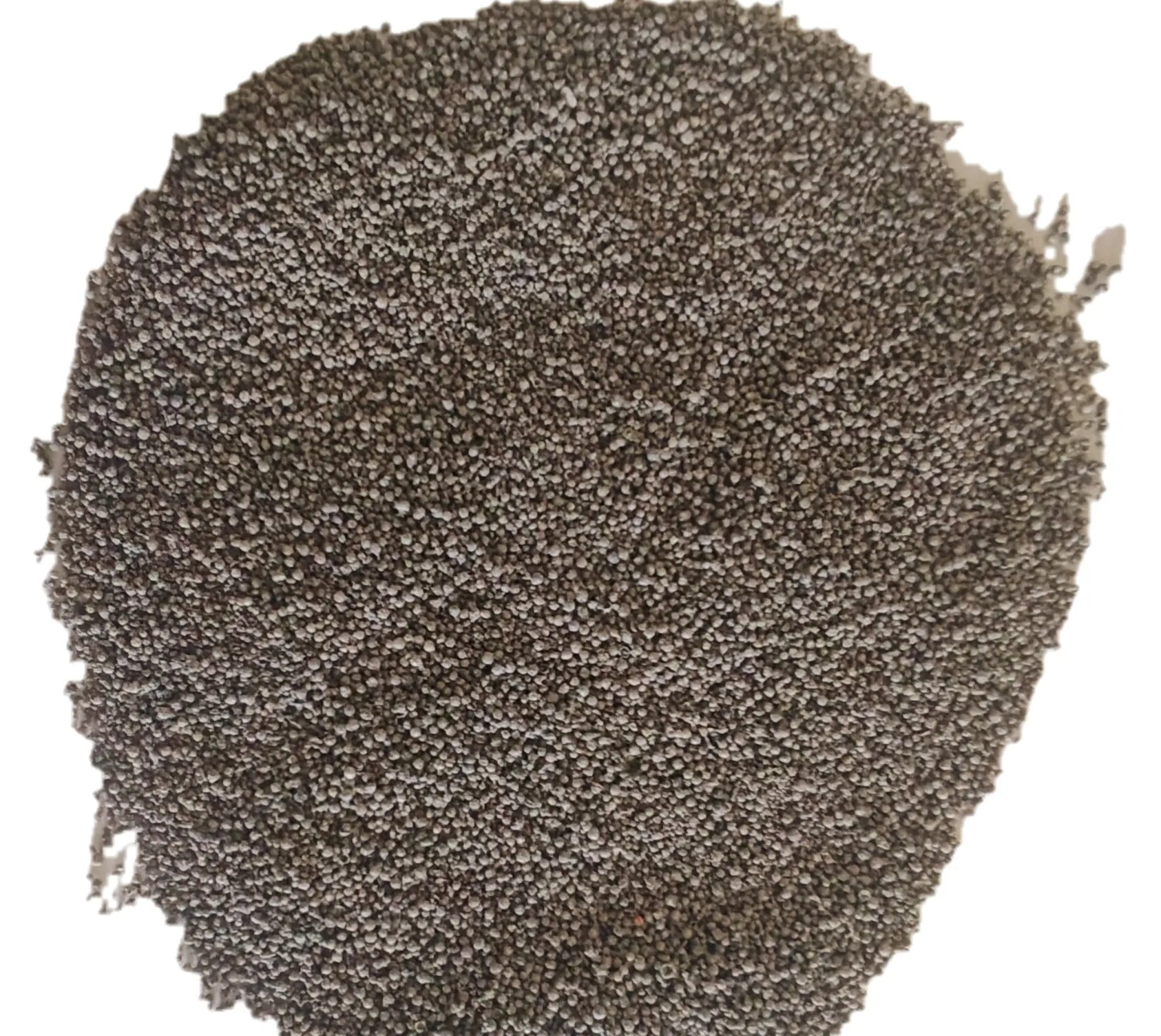
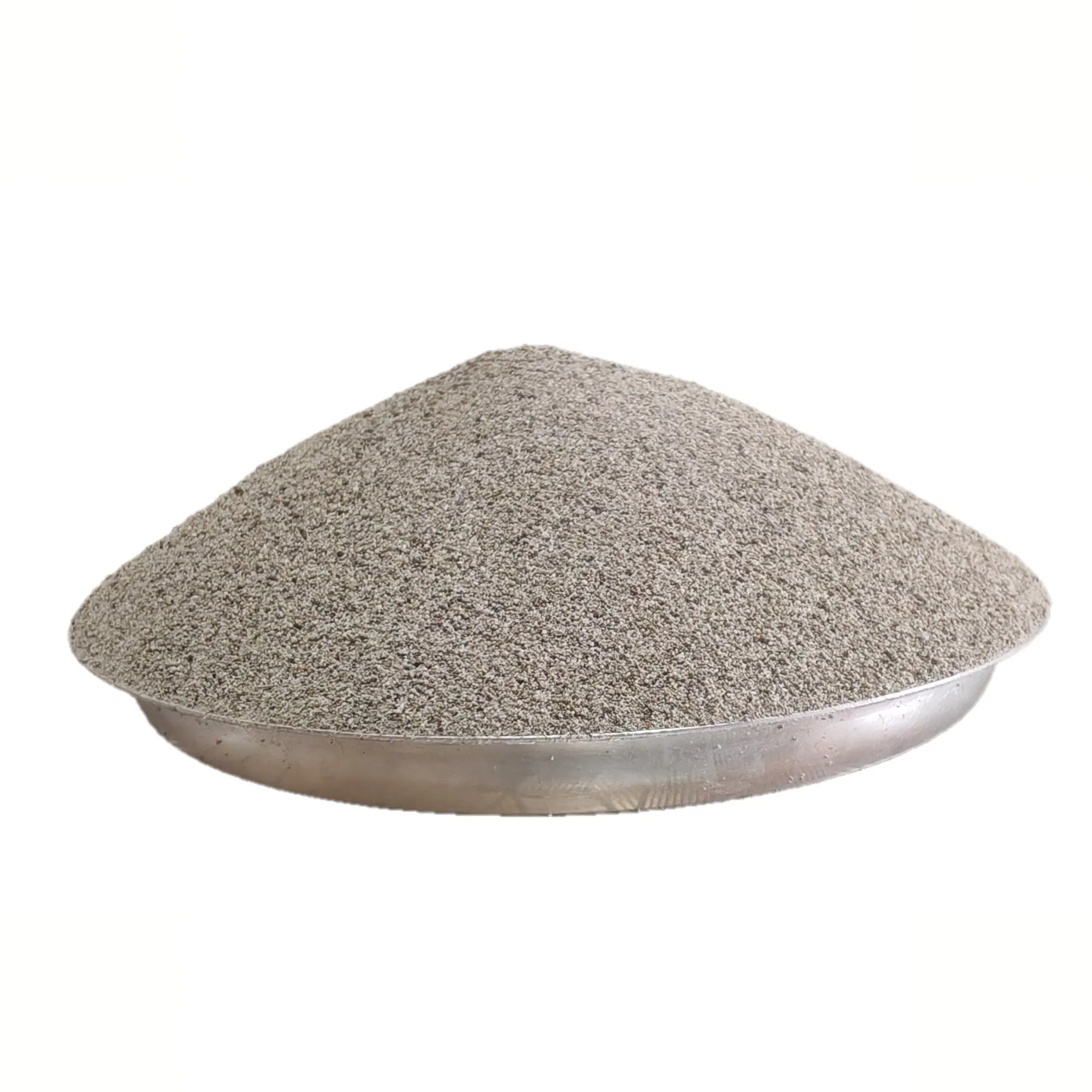
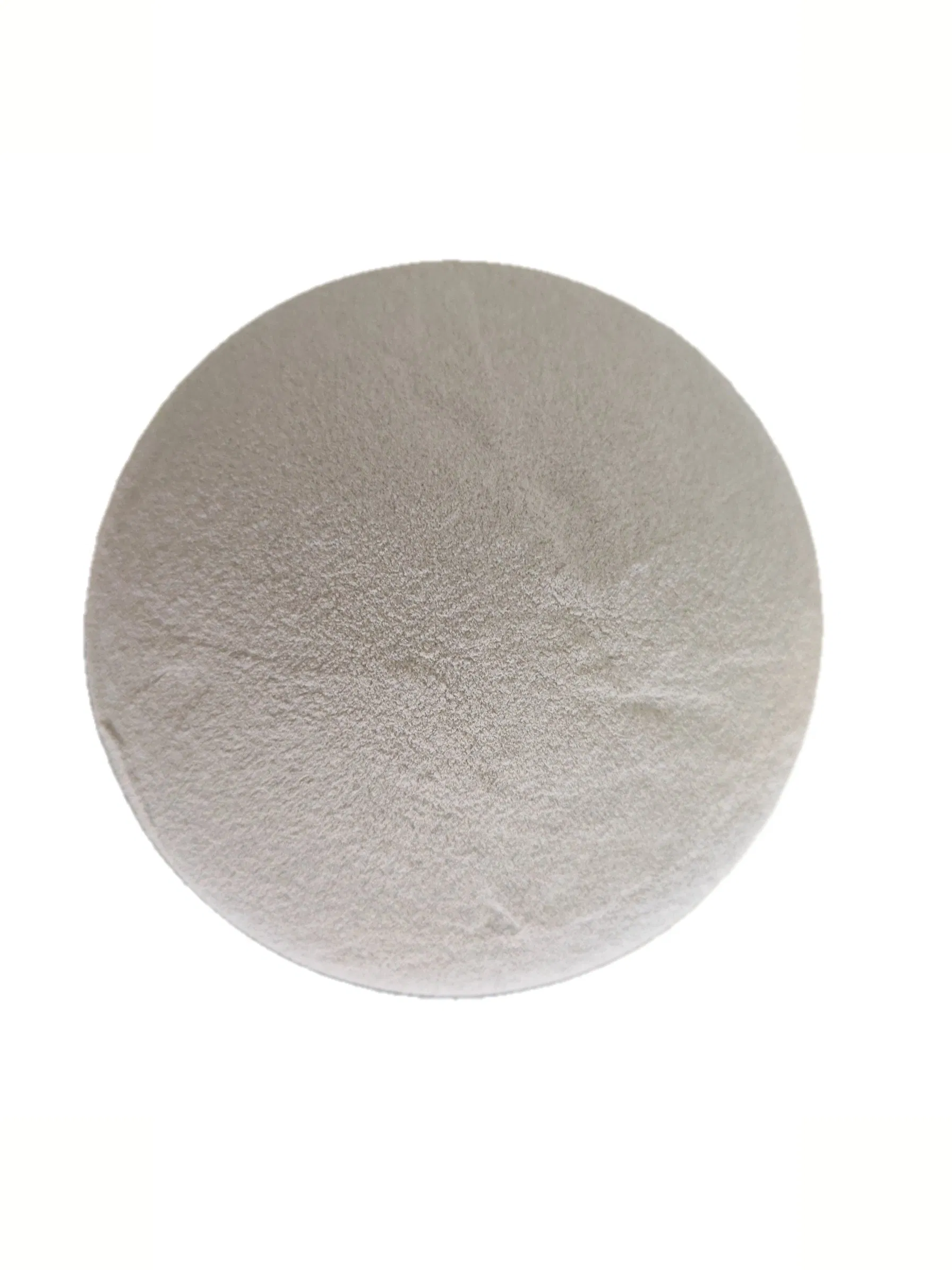
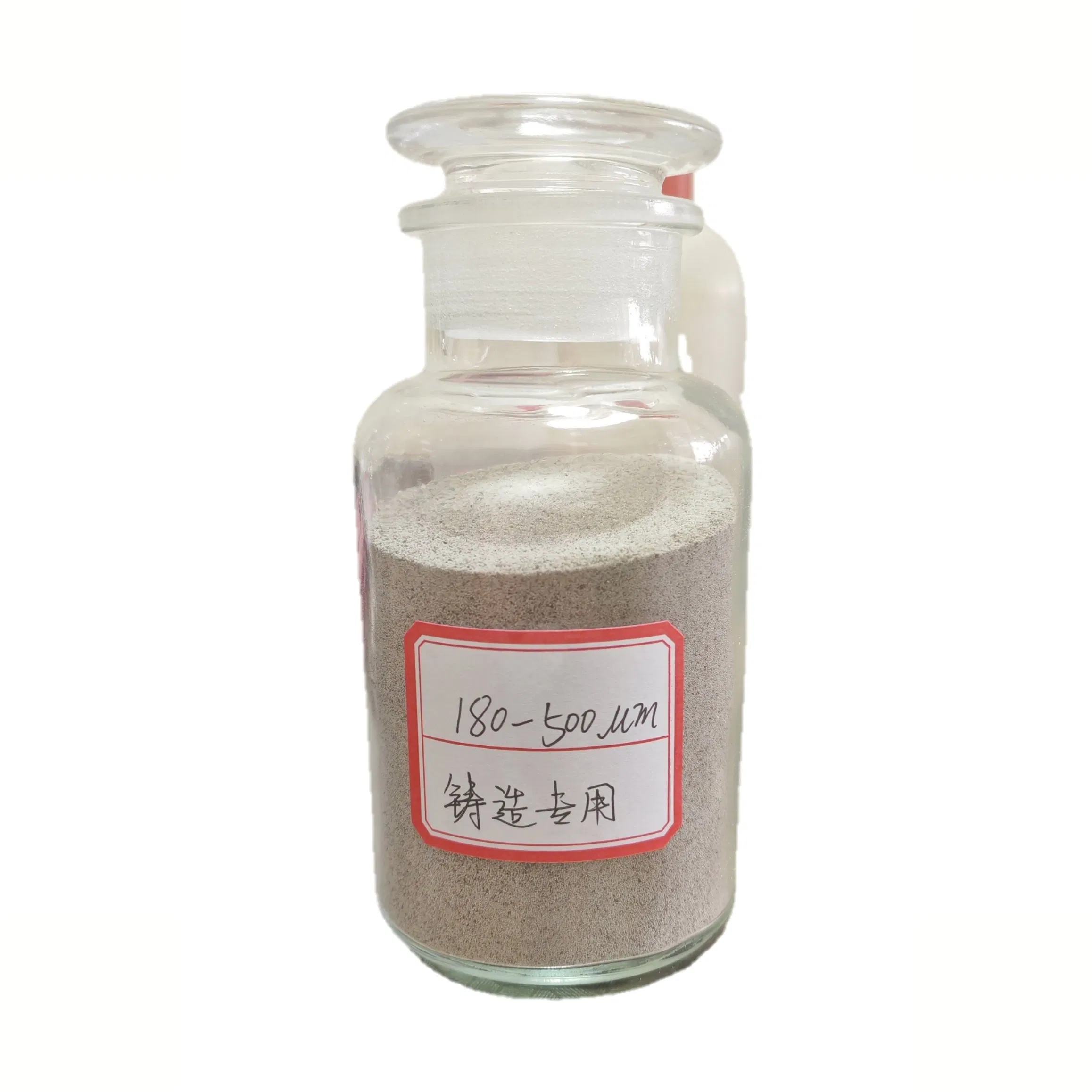
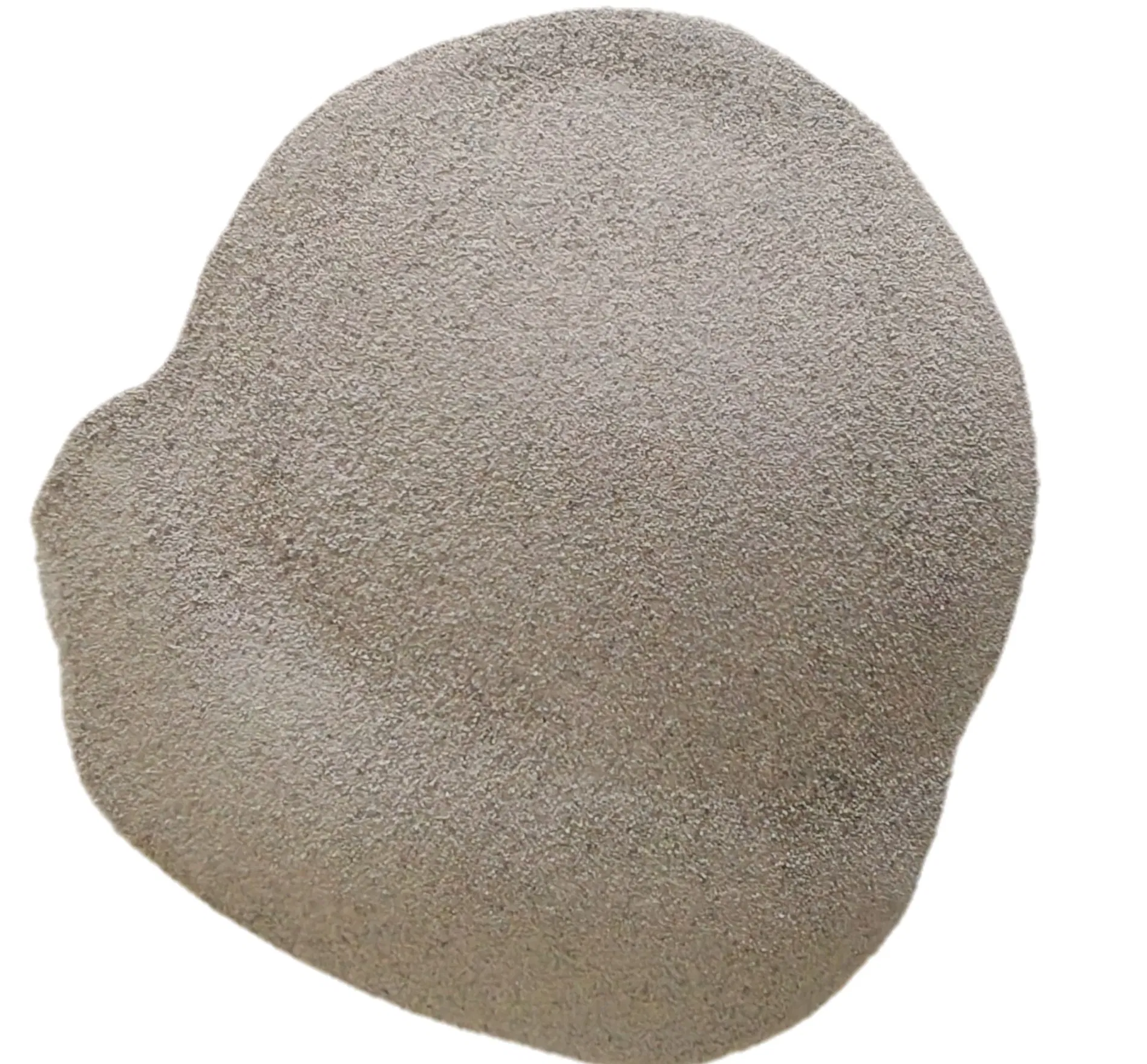
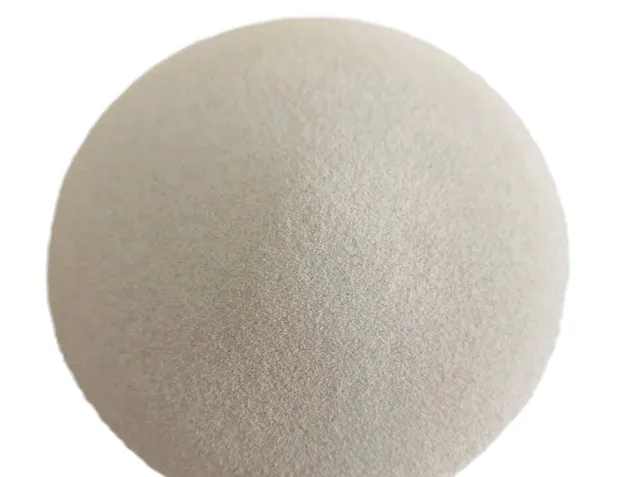
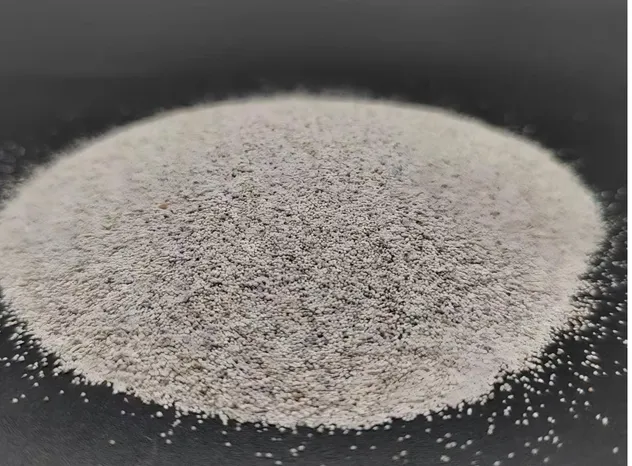
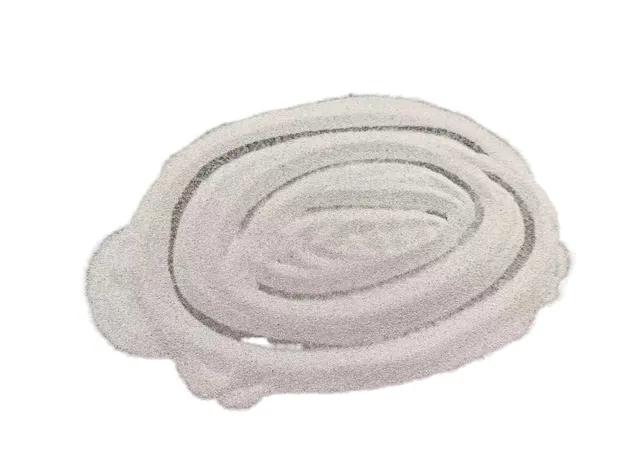
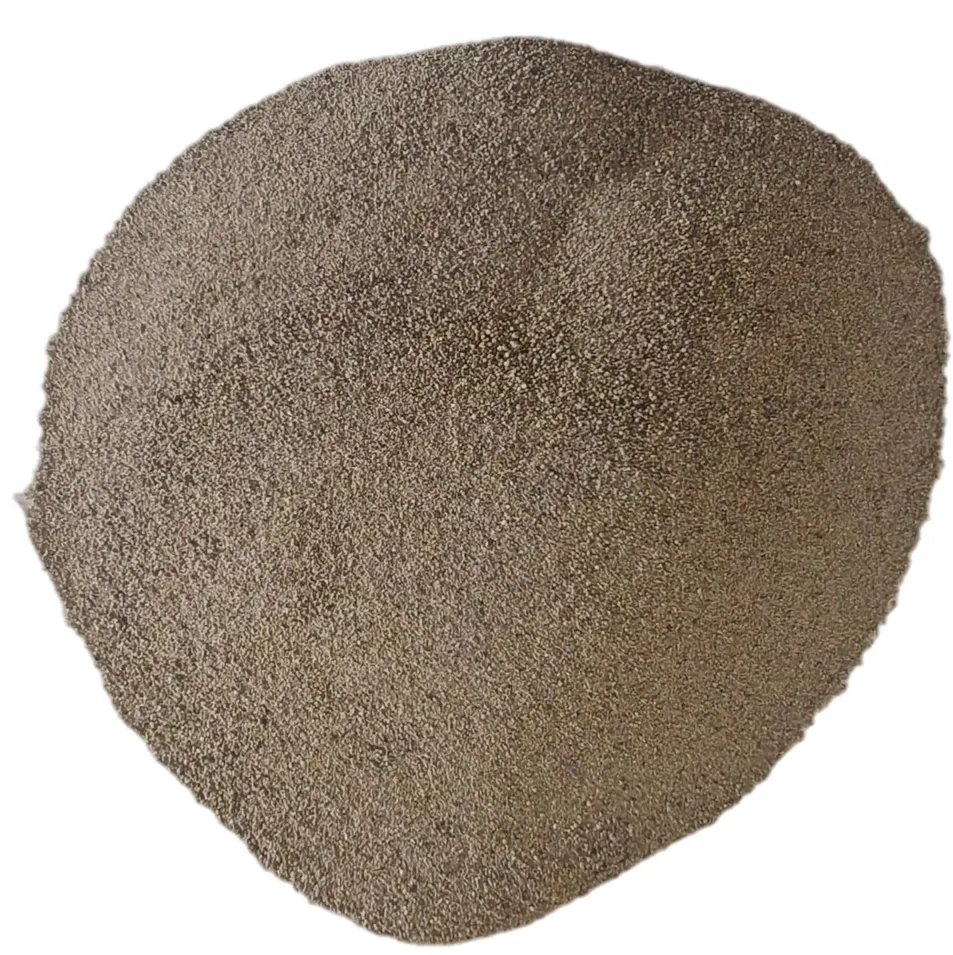
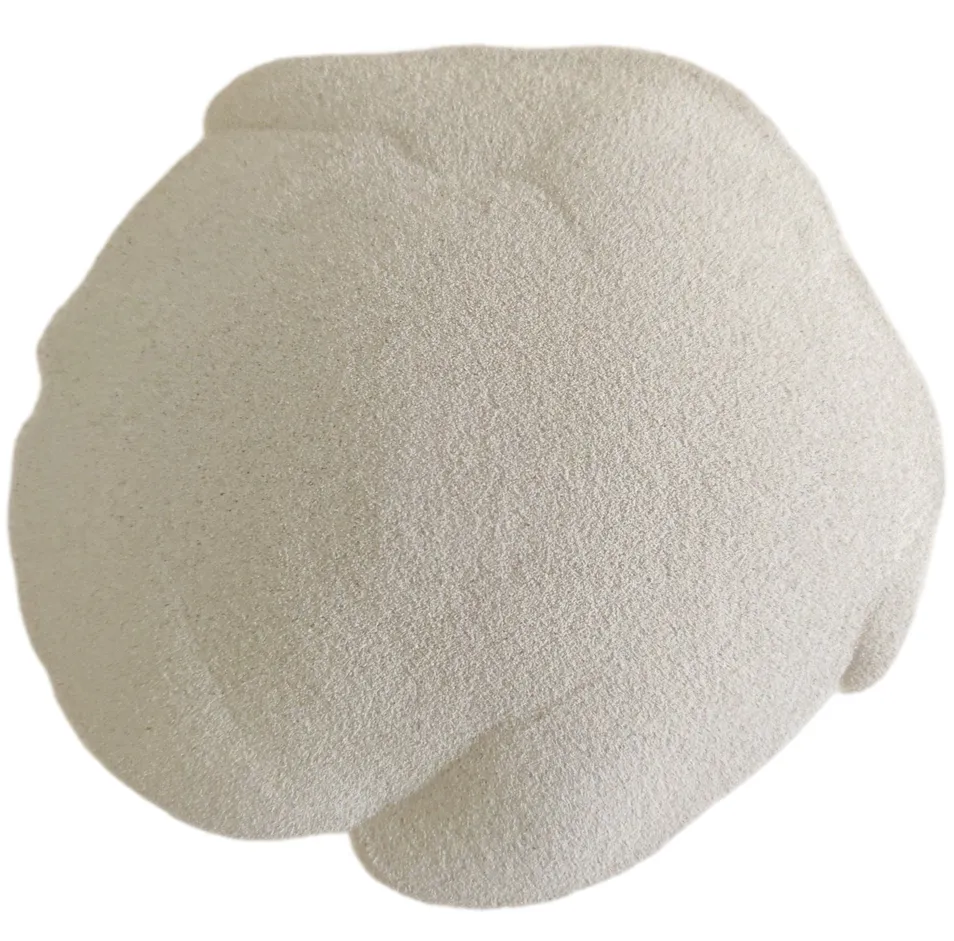
Cenospheres are lightweight fillers derived from the fly ash washing of coal-fired power plants. These hollow microspheres, typically sized between 0 - 700 µm, are meticulously sieved into specific grades such as 0 - 100 µm or 100 - 700 µm. They serve as ideal performance fillers for various industries including Cement, Construction, Civil Construction, Foundry, Oil and Gas, as well as in the manufacturing of Plastics, Paper, Paints, Coatings, and Refractory materials.
Fly ash cenospheres are aluminum silicate-based spheres characterized by their fine particles, hollow structure, and light weight. They offer exceptional properties such as high strength, wear resistance, heat resistance, thermal insulation, and flame retardancy. The smooth, grey-white surface of these thermal power plant microspheres makes them highly versatile for drilling and cementing applications.
Frequently Asked Questions
1. What are Cenospheres and how are they produced?
Cenospheres are lightweight, hollow, spherical particles found in fly ash, which is a byproduct of coal combustion in thermal power plants. They are extracted during the fly ash washing process.
2. What are the primary benefits of using Cenospheres as fillers?
They offer a unique combination of low density, high strength, thermal insulation, and excellent flow properties. Their spherical shape helps improve the workability of mixtures while reducing overall weight.
3. What is the temperature resistance of these microspheres?
Cenospheres have excellent thermal stability with a fusibility range between 1600°C and 1700°C, making them suitable for high-heat refractory and industrial applications.
4. In which industries are Cenospheres most commonly used?
They are widely used in oil and gas (for cementing and drilling), construction (lightweight concrete), paints and coatings (insulation and texture), and the automotive/aerospace industries (composite materials).
5. What is the typical floating rate for your Cenospheres?
Our Cenospheres maintain a high floating rate of 95% to 98%, ensuring consistent quality and performance as a lightweight filler.
6. How are the products packaged for transport?
We provide flexible packaging options including 600kg big bags for bulk industrial use and 20kg small bags for easier handling and specific measurement requirements.
 Syrup Medical