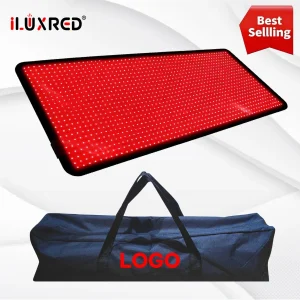
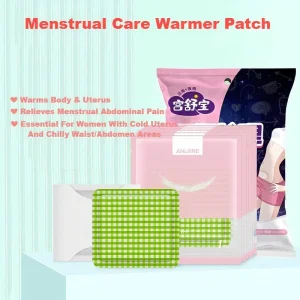
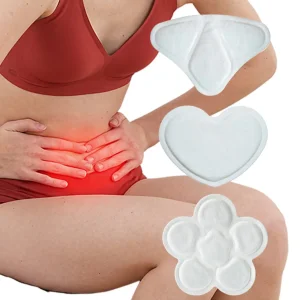
Introducing our premier line of LED red light therapy apparatus, engineered specifically for global standard performance and high durability, suitable for import distribution inside Lesotho and southern African clinical hubs.
Lesotho, known geographically as the Mountain Kingdom, faces unique public health and economic conditions that significantly influence the adoption of therapeutic technologies. Situated entirely above 1,400 meters in altitude, the nation experiences severe sub-zero winters that trigger high rates of circulatory restriction and somatic discomfort, particularly during menstrual periods. In Lesotho’s major industrial hubs such as Maseru, Maputsoe, and Mafeteng, the demand for non-pharmacological, long-lasting wellness interventions has grown exponentially.
Historically, access to systemic pharmacological pain relief (such as non-steroidal anti-inflammatory drugs) has been constrained by supply-chain bottlenecks and a lack of clinical presence in rural mountainous constituencies. Consequently, local commercial importers, regional healthcare NGOs, and government procurement boards are shifting their alignment toward portable, wearable, and self-heating non-medicinal thermal therapies. By minimizing dependency on systemic medication, these devices present a sustainable solution to chronic pain management.
Furthermore, the local commercial framework operates closely within the Southern African Customs Union (SACU) guidelines. This means that import corridors from global manufacturing epicenters like Shenzhen to South African ports (such as Durban) and subsequently overland to Lesotho must rely on highly certified, robust, and cost-efficient cargo loads.
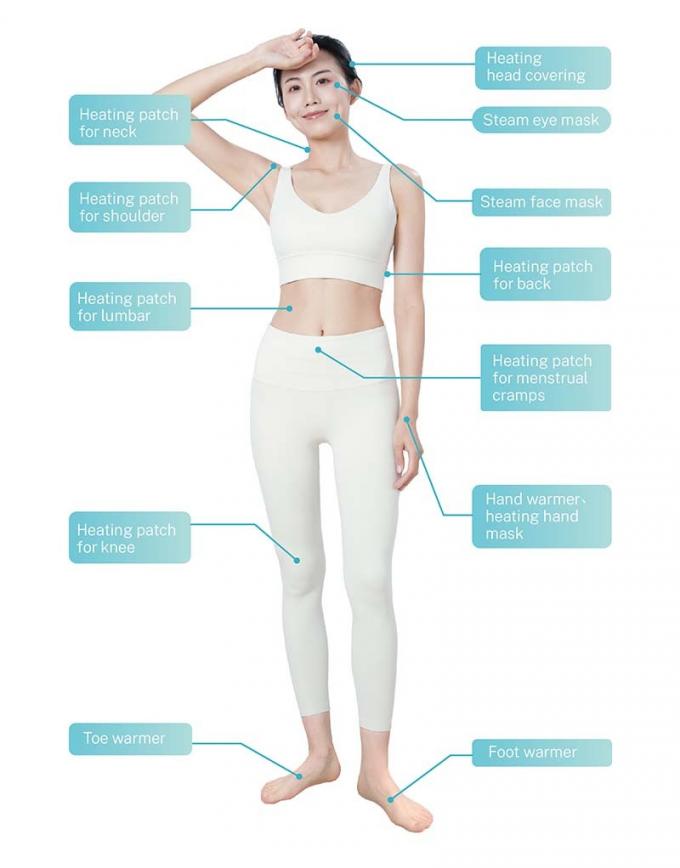
For menstrual care devices to be effective in Lesotho's environment, they must satisfy specific thermodynamic standards. In higher altitudes, cold ambient temperatures induce peripheral vasoconstriction—a biological process where blood vessels constrict to conserve core heat. When this occurs alongside uterine smooth muscle contractions (mediated by prostaglandin release), it can lead to acute uterine ischemia, intensifying menstrual pain (dysmenorrhea).
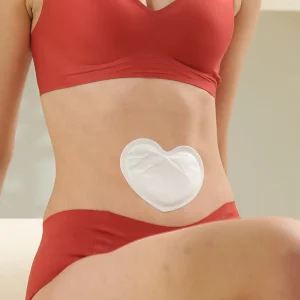
Syrup Medical's localized thermal solutions address this through Controlled Exothermic Oxidation and Far-Infrared Photobiomodulation (PBM). Applying stable, continuous heat (45°C to 53°C) directly to the lower abdomen (the L1-L3 dermatomes) stimulates local thermal receptors (TRPV1), blocks nociceptive pain signals to the brain, and triggers local nitric oxide release to promote vasodilation and restore blood flow to the ischemic myometrium.
"Our thermal patches and light therapy pads are calibrated to counter high-altitude vasoconstriction, delivering constant heat without energy decay even in cold environments." — Shenzhen Syrup Medical Engineering Group
As an industry leader in pain relief technology, Shenzhen Syrup Medical Co., Ltd. continuously refines its engineering pipeline, moving from classic disposable heat wraps to advanced smart wearables.
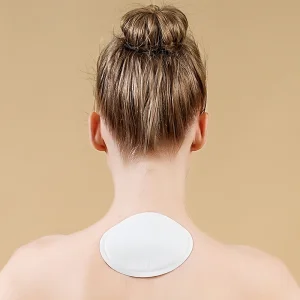
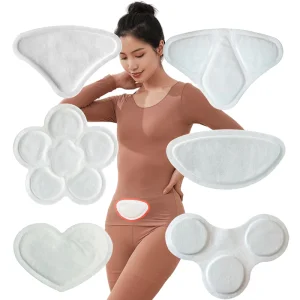
Employs microporous oxidation of iron powder. Our research focuses on stabilizing the microporous membrane to prevent thermal spikes and maintain a constant 53°C temperature for up to 8 hours.
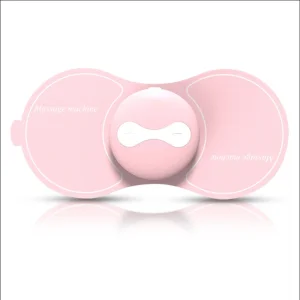
Utilizes low-frequency electrical stimulation to intercept pain signals along the spinal cord (Gate Control Theory) while promoting gentle muscular contraction to reduce cramping.
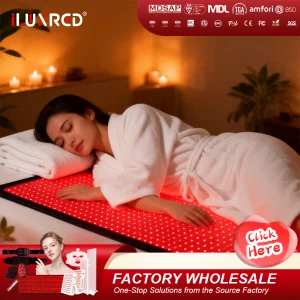
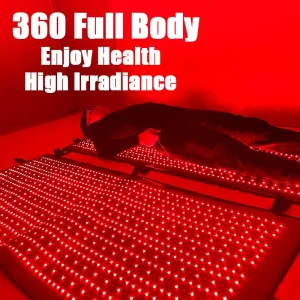
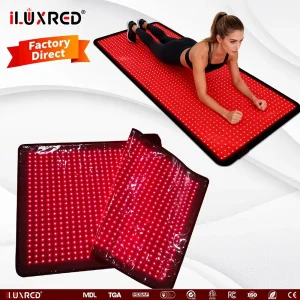
Features 660nm red light and 850nm near-infrared LED arrays. This method penetrates abdominal tissue to stimulate mitochondrial cytochrome c oxidase, boosting ATP production and cell recovery.
Our upcoming generation integrates real-time thermodynamic sensors with smartphone controls, allowing users to customize heat outputs based on pain indexes.
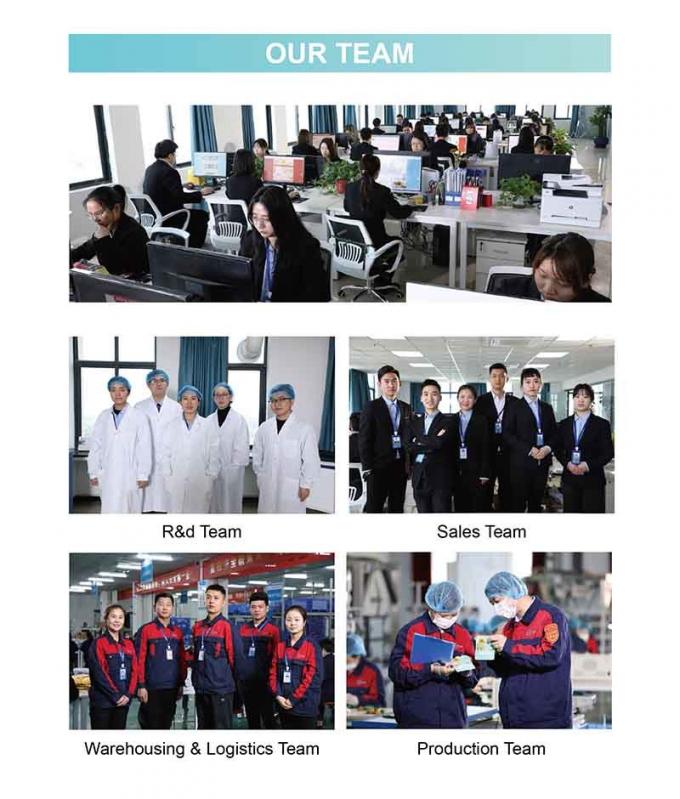
Shenzhen Syrup Medical Co., Ltd. operates a high-capacity, GMP-compliant facility optimized for producing advanced medical-grade heat and phototherapy systems. By combining robotic precision with rigid quality controls, our production lines deliver consistent temperature profiles and clean-room assembly for our entire product range.
As a global OEM/ODM manufacturing partner, we manage the complete product lifecycle—from raw material formulation (including medical adhesives and carbon-based heating elements) to high-speed sealing and final sterilization. Every batch of air-activated heat patches undergoes strict environmental simulation tests to verify shelf stability, chemical purity, and precise reaction timing before export.
For distributors in Lesotho, our location in Shenzhen’s tech corridor offers significant logistics advantages. By leveraging direct sea freight links from the Port of Shenzhen to South African gateways, we ensure predictable transit times, minimized shipping fees, and strong protection against supply chain interruptions.
A technical assessment comparing traditional, chemical, and advanced photobiomodulation systems under high-altitude sub-zero operating environments typical of the Lesotho highlands.
| Performance Indicator | Traditional Hot Water Bag | Air-Activated Heat Patch | EMS/TENS Electro-Pulser | Red Light (PBM) Sleep Bags |
|---|---|---|---|---|
| Thermodynamic Stability | Rapid decay (drops 15°C/hr) | Stable (Flat 53°C for 8-12 Hrs) | N/A (Non-thermal) | Continuous regulated output |
| Mitochondrial Activity | Low (Surface heating only) | Medium (Deep muscle relaxation) | Low (Neural gate inhibition) | High (Red/NIR cellular activation) |
| Mobility / Portability | Very Low (Requires hot water) | Excellent (Disposable peel-and-stick) | High (Rechargeable, pocket-sized) | Stationary/Sleeping bag integrated |
| Unit Cost (B2B Bulk) | Medium | Extremely Low (Optimal for volume) | High (Capital equipment) | High (Premium investment) |
| Optimal Lesotho Context | Domestic use with electricity | Widespread rural distribution | Urban wellness centers (Maseru) | Cold alpine sleep protection |
Exporting therapeutic and wellness products into Lesotho and the broader Southern African Development Community (SADC) requires compliance with international safety benchmarks. As an established global exporter, Shenzhen Syrup Medical Co., Ltd. ensures that all therapeutic patches and electronic devices are backed by complete regulatory documentation. This includes CE certificates, FDA registrations, RoHS verification for components, and MSDS logs for chemical compositions.
We work closely with local clearing agents and distribution channels in Lesotho to streamline clearance procedures through the South African Revenue Service (SARS) border points, such as the Maseru Bridge and Ficksburg Bridge crossings. Our bulk export packaging is constructed to withstand prolonged sea freight voyages and land transit, utilizing reinforced, moisture-resistant packaging that protects the raw materials from high-altitude atmospheric shifts and dry climates.
We configure heat duration profiles, physical dimensions, adhesive strengths, and outer packaging graphics to match your target brand aesthetic.
All shipping consignments are accompanied by MSDS, CE declaration files, and detailed compliance documentation for straightforward customs entry.
We maintain deep reserves of pharmaceutical-grade iron and non-woven substrates, guaranteeing consistent supply lines even during raw material surges.
Find critical insights regarding our production parameters, import procedures for Lesotho, and customization opportunities.
Browse our selection of clinical-grade self-heating wraps and smart electronic therapy devices, built to deliver reliable performance for the international market.

 Syrup Medical