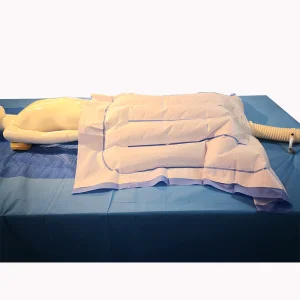
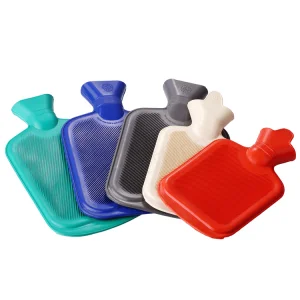
Advanced thermal management configurations engineered to prevent hypothermia and accelerate clinical recovery in Equatorial Guinea hospitals.
Analyzing thermal therapy dynamics, infrastructure modernizations, and supply chain demands in Sub-Saharan Africa.
Equatorial Guinea, situated along the equator, experiences a tropical environment characterized by high relative humidity and elevated ambient temperatures. However, in controlled hospital environments such as operating theaters, intensive care units (ICUs), and neonatal wards in Malabo and Bata, powerful HVAC air conditioning systems are deployed to maintain sterile, dry conditions. This contrast creates a critical clinical challenge: under anesthesia, a patient's core temperature can drop rapidly, leading to Inadvertent Perioperative Hypothermia (IPH).
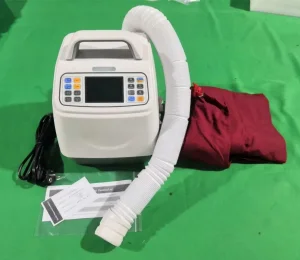
Preventing IPH is recognized as a vital standard of care globally. When core body temperatures drop below 36°C (96.8°F), surgical patients become vulnerable to increased wound infection rates, delayed drug metabolism, prolonged recovery times, and elevated cardiac risks. Active body warming systems, particularly convective air-forced warming blankets and blood/fluid heaters, are crucial tools for maintaining normothermia throughout the perioperative pathway.
Under the national socio-economic transformation plans, the Ministry of Health and Social Welfare (Ministerio de Sanidad y Bienestar Social) of Equatorial Guinea has prioritized upgrading clinical facilities. Major hospitals, such as the Hospital Regional de Bata, Hospital General de Malabo, and newer clinical assets in La Paz, require advanced medical apparatus to align their surgical operations with global standards.
Our solutions target these modernized facilities, delivering specialized medical-grade disposable warming blankets, portable convective warmer systems, and emergency rescue materials. By integrating high-quality thermal equipment into surgical workflows, hospital administrators can achieve lower post-operative complication rates, driving clinical efficiency and improving patient throughput across urban and regional health zones.
A systematic comparison of active and passive thermal modalities designed to support clinical procurement decision-making.
Modern clinical guidelines, including those from the National Institute for Health and Care Excellence (NICE) and the Surgical Care Improvement Project (SCIP), mandate the active monitoring and maintenance of normothermia. Active convective (forced-air) warming represents the global gold standard due to its high heat transfer coefficient and safe distribution profile. The table below outlines the primary modalities utilized in clinical workflows:
| Thermal Modality | Primary Technical Mechanism | Clinical Safety Index | Ideal Application Scenario | Suitability for Equatorial Guinea Markets |
|---|---|---|---|---|
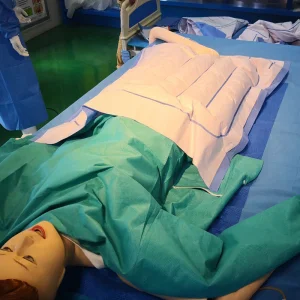
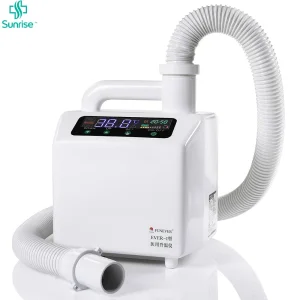
| Convective Forced-Air Warming | Filtered warm air circulated through customized multi-layer non-woven blankets. | High (low skin pressure, controlled thermic gradients) | Intraoperative major surgeries, ICU recovery units | Highly recommended for state-of-the-art hospitals in Malabo & Bata. |
| Blood & Fluid Infusion Warming | In-line dry heat or coaxial heat exchanges warming fluids prior to venous access. | Critical (prevents internal thermal shocks from cold saline/blood) | Trauma care, massive transfusions, pediatric fluid therapies | Essential component for emergency rooms and intensive care blocks. |
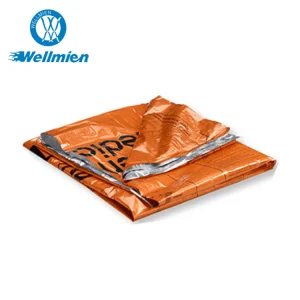
| Passive Thermal Mylar / Foil Blankets | Reflective radiant heat containment using metalized polyester sheeting. | Medium (does not generate heat; only limits evaporative/radiant loss) | Search & Rescue, maritime emergency, offshore platform clinics | Ideal for offshore oil operations and remote rural ambulances. |
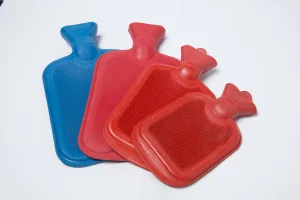
| Traditional Hydro-Thermal Pads | Circulating heated water loops through reusable rubberized pads. | Medium (higher risk of pressure ulcers if temperature monitoring fails) | Outpatient rehabilitation, general muscle spasm therapy | Best suited for outpatient wellness centers and physical therapy clinics. |
Ensuring reliable, safe, and regulatory-compliant patient warming systems for high-humidity tropical clinical settings.
Our manufacturing protocols align with global medical device standards, ensuring that patient warming devices shipped to the Gulf of Guinea meet rigid safety parameters.
Specially formulated micro-porous materials prevent mold buildup during transit and storage in high relative humidity environments like Bioko Island.
Convective warmers utilize integrated HEPA filters (0.2 µm efficiency) to ensure bacteria-free air distribution, reducing risk of surgical site infections (SSI).
Adapting thermal care solutions to the unique geographic, industrial, and demographic needs of Equatorial Guinea.
Offshore petroleum platforms operating off the coast of Bioko Island and Rio Muni maintain fully equipped emergency medical clinics. Working in maritime conditions exposes personnel to high risks of wind-chill, cold water immersion, and rapid heat loss during offshore accidents. Lightweight, weather-resistant foil Mylar rescue space blankets and portable convective heaters are vital additions to emergency evacuation pods and search-and-rescue boats.
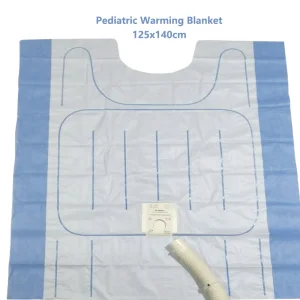
Neonatal hypothermia remains a significant contributor to infant morbidity in developing health infrastructures. Premature infants lose body heat rapidly due to thin skin and lack of subcutaneous fat. Developing high-quality, safe, convective pediatric warming blankets and neonatal incubator accessories supports hospitals in Malabo, Bata, and Mongomo in safeguarding vulnerable newborns during transfer and early postpartum care.
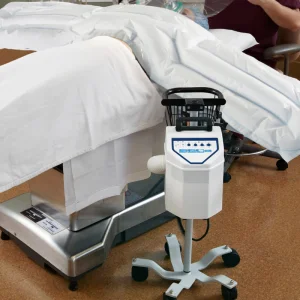
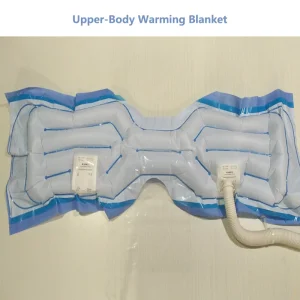
The transition from a cooled operating theater to the PACU is when surgical patients are most prone to hypothermia. Implementing specialized upper-body and lower-body air-forced patient warming blankets allows surgical teams to deliver active warming without obstructing the surgical site, maintaining constant temperature profiles throughout prolonged clinical procedures.
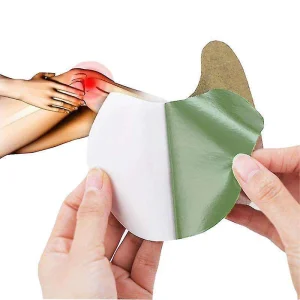
In rural mainland Equatorial Guinea, electricity supplies can experience interruptions, making traditional active heating devices difficult to maintain. Passive thermal space blankets and portable, long-lasting chemical heat therapy patches provide emergency responders with immediate, grid-independent thermal management capabilities during ambulance transit to regional base hospitals.
Pioneering the next generation of eco-friendly, highly controlled clinical thermal systems.
Next-generation clinical convective warmers are integrating closed-loop feedback systems. By communicating directly with patient core temperature monitors, the machine automatically adjusts air flow and thermal output, preventing accidental hyperthermia while maintaining precise normothermia. This minimizes manual intervention and maximizes safety profiles.
Environmental footprint reduction is a priority for modern healthcare organizations. We are researching the transition of disposable convective blankets to biopolymer-based non-woven fabrics. These materials deliver identical tensile strength, insulation, and hypoallergenic properties while disintegrating rapidly in standardized waste processing setups.
To support clinics operating under tight power budgets or off-grid emergency batteries, we are engineering low-voltage convective blowers and infusion warming pumps. These systems utilize advanced carbon fiber heating grids that achieve operational temperatures in under 45 seconds while drawing up to 30% less power than traditional coil heaters.
Comprehensive patient warmers, medical heating systems, and therapeutic thermal devices for procurement across Equatorial Guinea.
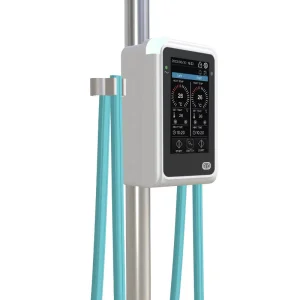
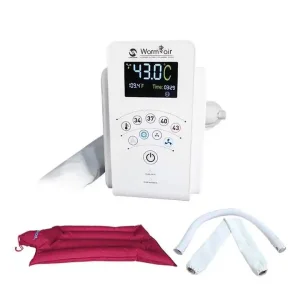

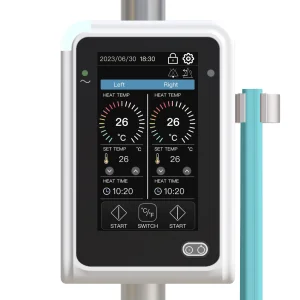
Shenzhen Syrup Medical Co., Ltd. — A Trusted Pioneer in Heat Therapy & Patient Temp Management Solutions.
Shenzhen Syrup Medical Co., Ltd. is a professional manufacturer specializing in heat therapy solutions for pain relief, dedicated to providing safe, effective, and convenient products for daily healthcare and wellness. With a strong focus on innovation and user comfort, the company develops a wide range of solutions designed for menstrual care, neck and shoulder relaxation, and back pain management.
Leveraging advanced production technology and strict quality control systems, Syrup Medical ensures consistent product performance, reliable heat generation, and skin-friendly materials. Each product is carefully engineered to deliver long-lasting, stable warmth that helps improve blood circulation, relieve muscle tension, and support natural recovery. The company adheres to international manufacturing standards and continuously enhances its processes to meet global market requirements.
Syrup Medical serves customers across healthcare, retail, and wellness industries, offering flexible OEM and ODM services to meet diverse branding and application needs. Its products are widely used by individuals seeking convenient, non-invasive pain relief solutions in both home and professional environments.
Committed to quality, innovation, and customer satisfaction, Shenzhen Syrup Medical Co., Ltd. strives to become a trusted global partner in wearable heat therapy and pain management solutions, delivering comfort, care, and value to users worldwide.
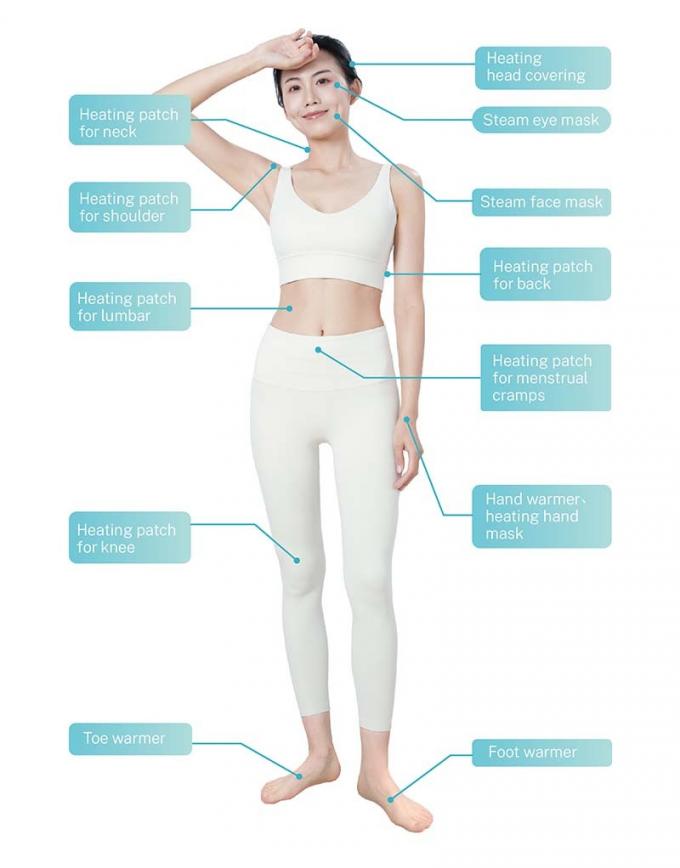
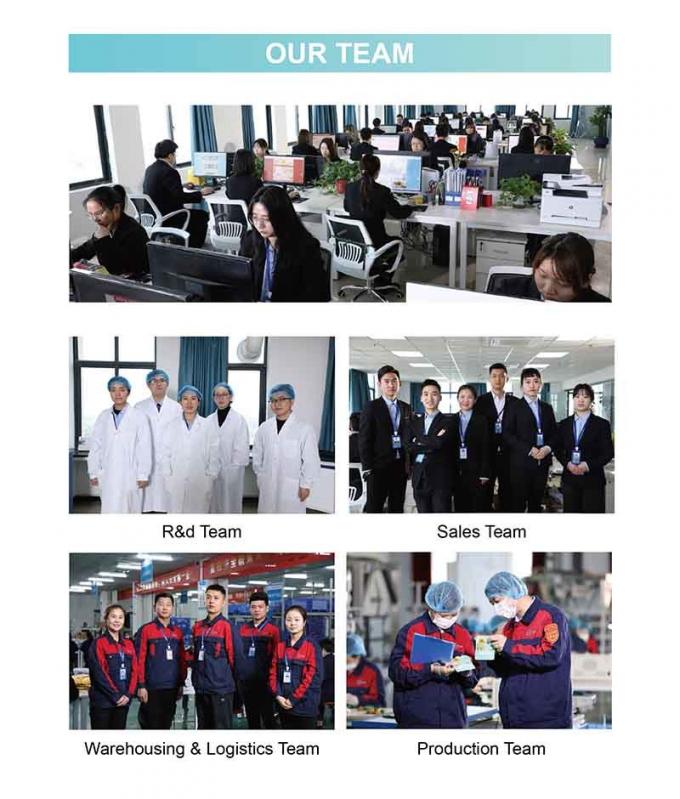
Our production facilities utilize automated testing equipment to analyze temperature consistency across all heating pads and convective blanketing models. We conduct rigorous stress tests to confirm material skin safety, checking for chemical residues or physical micro-fractures in plastic backings that might cause temperature leakage. For bulk shipments bound for Central Africa, we pack goods in moisture-vapor-barrier linings, preventing mold growth and preserving structural integrity during ocean transport through the tropical humid zones surrounding Equatorial Guinea ports.
Expert insights on importing, deploying, and maintaining medical warming systems in Equatorial Guinea.
 Syrup Medical