Direct sourcing catalog featuring precision-engineered thermotherapy devices, pain management wearables, and clinical-grade heat systems.
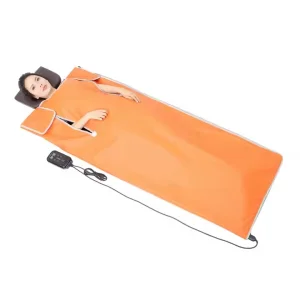
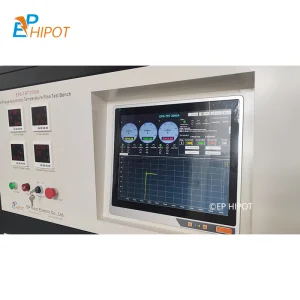

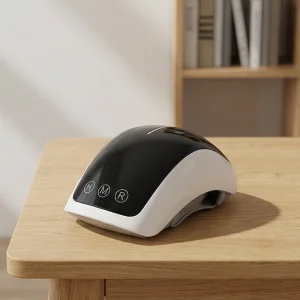
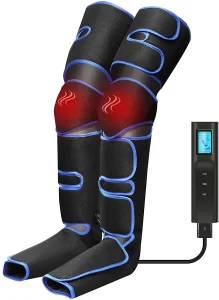
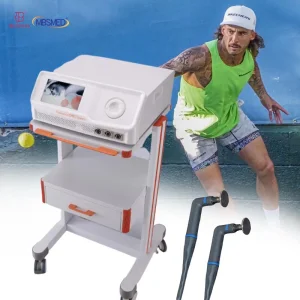
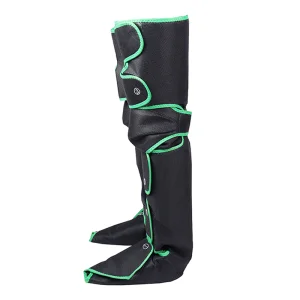
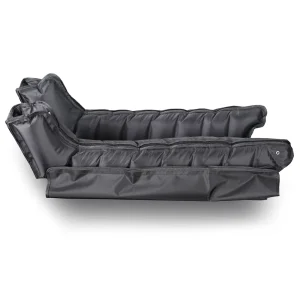
In the modern industrial and healthcare landscapes, global sourcing for specialized heating and thermal management products has transitioned from a standard transactional model to a strategic alliance framework. Global enterprises—ranging from medical device distributors and rehabilitation networks to wellness consumer brands and industrial infrastructure developers—face strict requirements when integrating thermal systems.
The demand is driven by a dual-need: highly stable and precise local heat delivery for wellness and physiotherapy (pain management, muscular blood circulation, and micro-therapeutics) combined with high-grade safety compliance. Key parameters for corporate sourcing include element longevity, bio-compatibility of surface textiles, fast thermal ramp-up times, and integrated protection loops to mitigate thermal runaway.
"Sourcing departments no longer look for simple heating configurations; they require integrated systems that feature intelligent temperature control, minimal electromagnetic fields (EMF), and multi-regional regulatory compliance."
Product QC Pass Rate
Energy Efficiency Gain
Exporting Nations
Medical Quality Certified
The commercial landscape for thermal devices is segmented into consumer wellness applications, professional clinical rehabilitation, and heavy industrial heat control. To optimize these sectors, manufacturers must employ vertically integrated supply chains capable of handling complex mechanical, electrical, and textile engineering.
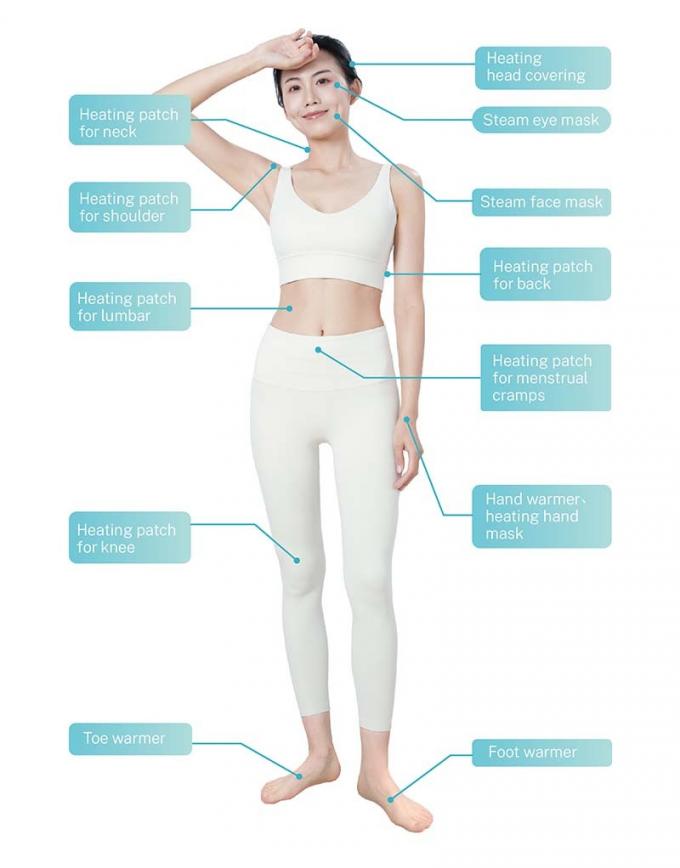
A prime example of an industry leader in therapeutic applications is Shenzhen Syrup Medical Co., Ltd. Syrup Medical is a professional manufacturer specializing in heat therapy solutions for pain relief, dedicated to providing safe, effective, and convenient products for daily healthcare and wellness. With a strong focus on innovation and user comfort, the company develops a wide range of solutions designed for menstrual care, neck and shoulder relaxation, and back pain management.
Leveraging advanced production technology and strict quality control systems, Syrup Medical ensures consistent product performance, reliable heat generation, and skin-friendly materials. Each product is carefully engineered to deliver long-lasting, stable warmth that helps improve blood circulation, relieve muscle tension, and support natural recovery. The company adheres to international manufacturing standards and continuously enhances its processes to meet global market requirements.
Syrup Medical serves customers across healthcare, retail, and wellness industries, offering flexible OEM and ODM services to meet diverse branding and application needs. Its products are widely used by individuals seeking convenient, non-invasive pain relief solutions in both home and professional environments.
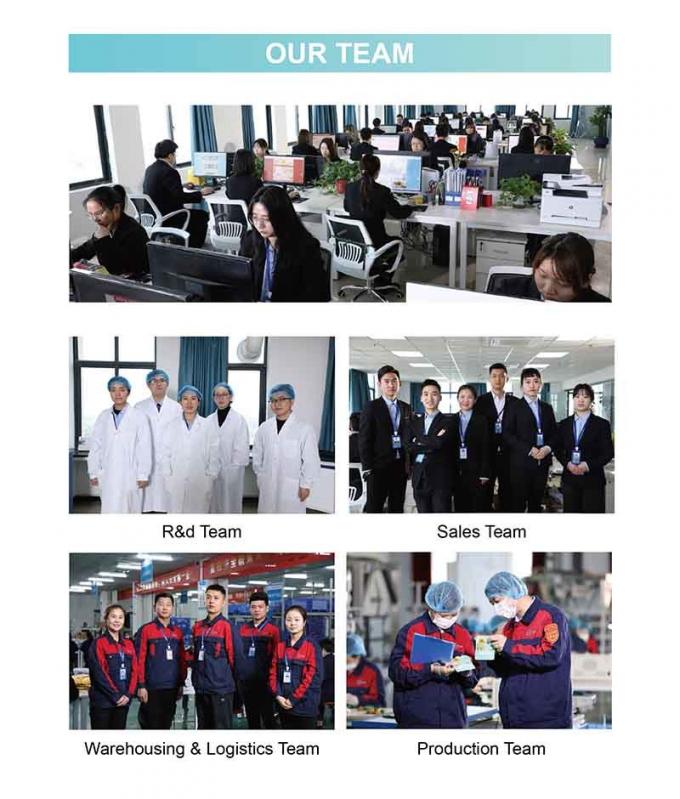
Committed to quality, innovation, and customer satisfaction, Shenzhen Syrup Medical Co., Ltd. strives to become a trusted global partner in wearable heat therapy and pain management solutions, delivering comfort, care, and value to users worldwide.
By integrating advanced elements such as carbon fiber heaters, PTC (Positive Temperature Coefficient) self-regulating grids, and smart microcontrollers, Syrup Medical bridges the gap between consumer expectation and medical-grade reliability. This ensures that B2B clients receive stable, zero-defect batches that protect brand reputation and minimize warranty return rates.
Where materials science meets digital controls. The direct technology trends defining the next generation of global heat and thermal systems.
Transitioning from metal wires to graphene and carbon nanotubes. This transition ensures uniform thermal distribution, high mechanical flexibility, and eliminates risks of local hotspots.
Integrating miniature thermistors directly onto the heating grids. Real-time temperature analysis via MCU algorithms keeps temperature margins within +/- 0.5 degrees Celsius for safety.
Developing shielding layers to reduce electromagnetic radiation to near-zero, utilizing OEKO-TEX certified skin-friendly and flame-retardant fabrics for prolonged contact.
Next-generation wellness systems will sync with smartphones via BLE (Bluetooth Low Energy) for customized heat profiles and localized compression sequences.
Designing structures that allow for easy disassembly and component separation to comply with global circular economy and WEEE recycling mandates.
Industrial components shifting to high-alloy, corrosion-resistant structures with predictive maintenance sensor arrays to reduce operational downtime.
The global manufacturing base for high-reliability heating elements and thermal systems is highly concentrated. Modern factories must balance low-cost scalable components with high-quality controls. Shenzhen, China, stands as the premier hub for electronic heating components due to its advanced supply chain ecosystem, where firms like Shenzhen Syrup Medical Co., Ltd. leverage access to components, textile laminations, and design services.
Procurement teams must ensure that their OEM/ODM partners offer robust localization support. This includes customized packaging, local language manual layouts, plug configurations matching regional electrical standards (UL/EU/UK/AU), and customs cleared logistics handling.
Compliance is the primary bottleneck for importing medical and consumer heating gear. High-quality manufacturers must possess a robust certification matrix:
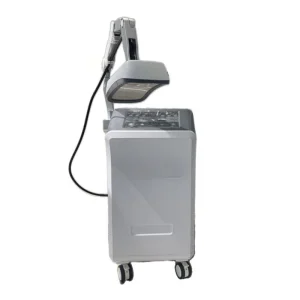
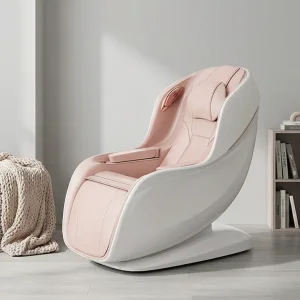
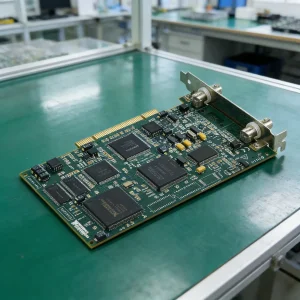
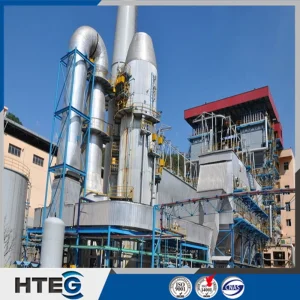
Sourcing solutions for high-accuracy thermal components, wellness massage platforms, and efficiency-optimized industrial equipment.
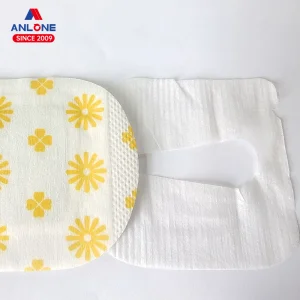
In-depth responses to the most critical technical questions regarding the manufacturing, implementation, and regulatory paths of modern heating products.
Temperature uniformity is achieved through high-precision layout design of the carbon fiber or metal alloy elements. Advanced manufacturers use computer-controlled mapping to establish even pitch spacing, combined with thermal diffusion layers (often made of thin silicone matrices or layered non-woven fleece). The integration of multiple NTC thermistor sensors across the heating panel acts as a regional feedback loop, communicating with the internal chipset to modulate power delivery, avoiding cold spots or high-temperature build-ups.
Consumer-grade heating products (e.g., standard heat art panels or wellness wraps) require standard commercial certifications such as CE-LVD, FCC, and RoHS, which focus on basic electrical safety and hazardous materials control. Medical-grade heating devices (used for deep-tissue rehabilitation or clinical pain relief) must comply with more stringent standards under ISO 13485 quality systems. In Europe, they require compliance with the Medical Device Regulation (MDR 2017/745), requiring intensive clinical evaluations, bio-compatibility testing (ISO 10993) for patient contact surfaces, and dynamic risk management plans.
PTC heating elements utilize advanced ceramics or semi-conductive polymers that exhibit a non-linear thermal resistance curve. As the material temperature rises, its electrical resistance increases dramatically. This physical characteristic makes the heating element self-regulating: at a specific design threshold, it limits current flow to maintain a stable, maximum temperature. This provides a safety layer, preventing thermal runaways even in the event of an external controller circuit failure.
When developing wearable therapy solutions, target three primary operational metrics: (1) Bio-compatibility: Ensuring skin-facing textiles are non-sensitizing and hypoallergenic. (2) Flex-fatigue tolerance: The heating elements and connection joints must survive thousands of flex cycles under physical load. (3) Power-to-weight balance: Optimizing heating core geometry to utilize low-voltage inputs (e.g., 5V/9V USB-C interfaces) while achieving rapid, therapeutic thermal penetration.
 Syrup Medical