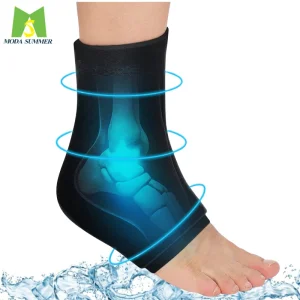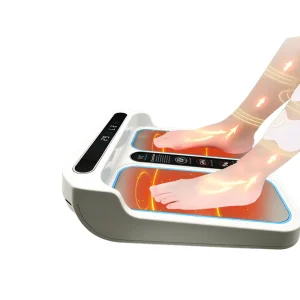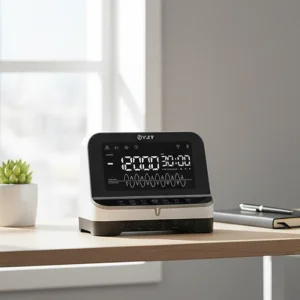
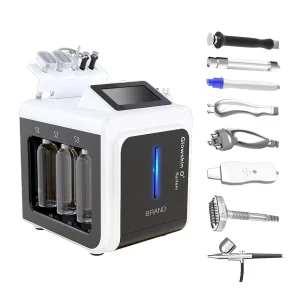
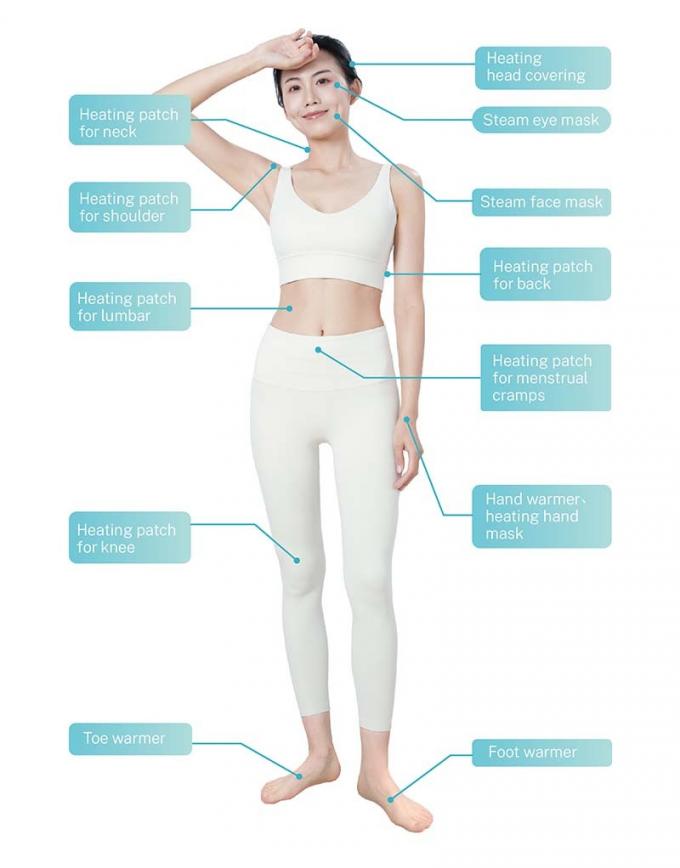
Shenzhen Syrup Medical Co., Ltd. is a professional manufacturer specializing in heat therapy solutions for pain relief, dedicated to providing safe, effective, and convenient products for daily healthcare and wellness. With a strong focus on innovation and user comfort, the company develops a wide range of solutions designed for menstrual care, neck and shoulder relaxation, and back pain management.
Leveraging advanced production technology and strict quality control systems, Syrup Medical ensures consistent product performance, reliable heat generation, and skin-friendly materials. Each product is carefully engineered to deliver long-lasting, stable warmth that helps improve blood circulation, relieve muscle tension, and support natural recovery.
The company adheres to international manufacturing standards and continuously enhances its processes to meet global market requirements. Syrup Medical serves customers across healthcare, retail, and wellness industries, offering flexible OEM and ODM services to meet diverse branding and application needs. Its products are widely used by individuals seeking convenient, non-invasive pain relief solutions in both home and professional environments.
Committed to quality, innovation, and customer satisfaction, Shenzhen Syrup Medical Co., Ltd. strives to become a trusted global partner in wearable heat therapy and pain management solutions, delivering comfort, care, and value to users worldwide.
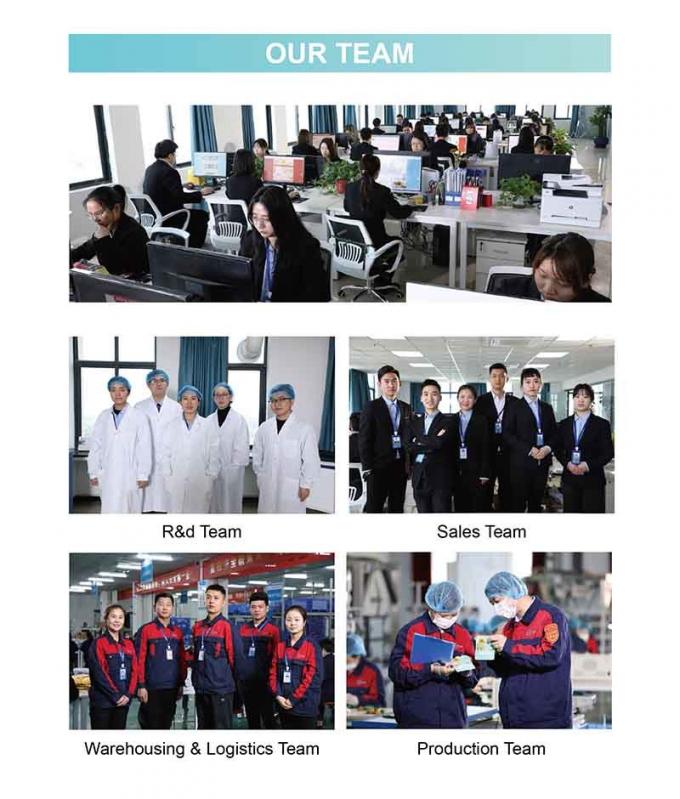
Our Shenzhen facility integrates precise thermal imaging technology, automated die-cutting, and strict toxicity tests to guarantee that every heating patch, wrap, and medical blanket adheres to international physiological standards. We utilize biocompatible medical adhesives and state-of-the-art flexible heating elements (such as graphene and advanced carbon fiber) to ensure zero hot-spots, preventing the risk of low-temperature burns while maximizing therapeutic relief.
By blending mechanical expertise with clinical analysis, we deliver tailor-made OEM and ODM projects that undergo rigorous clinical testing. From custom structural engineering for joint curvature to precise phase-change thermal duration profiles, our team is equipped to support your product line from design conception to global regulatory filing.
Analyzing market drivers, thermodynamic efficacy, and clinical trends in modern thermal medicine.
Dry heat therapy, clinically classified as local conductive thermotherapy, is highly recognized by physical therapists, orthopedists, and rehabilitation specialists for its capability to treat subacute and chronic musculoskeletal conditions. Unlike wet heat, which transfers heat via moisture, dry heat therapy uses heat conduction over dry materials (e.g., carbon fiber, chemical exothermic reactions, and far-infrared radiation). This provides a uniform, controlled heat transfer that expands blood vessels, promotes local capillary circulation, and accelerates tissue healing without dehydrating the epidermis.
The global demand for dry heat therapy solutions is growing rapidly due to three primary macroeconomic and clinical trends:
| Thermotherapy Type | Physical Mechanism | Typical Clinical Application | Primary Procurement Sectors |
|---|---|---|---|
| Exothermic Adhesive Patches | Iron oxidation reaction (stable 40-48°C) | Menstrual cramp relief, lower back muscle spasm recovery | Pharmacy chains, retail brands, healthcare distributors |
| Electronic Graphene Wraps | Far-infrared emission (flexible heating element) | Joint stiffness, athletic recovery, physical therapy centers | Rehabilitation hospitals, premium sports brands |
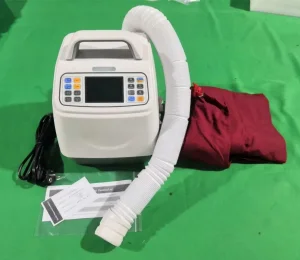
| Forced-Air Warming Blankets | Convective dry heat flow via medical blanket | ICU hypothermia prevention, intraoperative warming | Hospitals, medical centers, clinical supply chains |
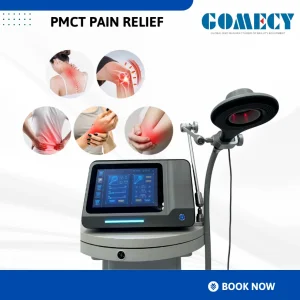
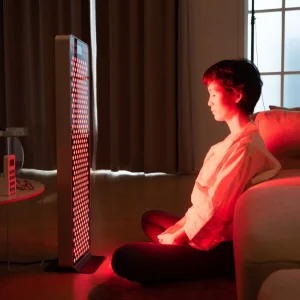
| High-Power Phototherapy Panels | Near-infrared & LED light absorption | Deep tissue stimulation, cell repair, pain mitigation | Wellness spas, physical therapy clinics, gyms |
Why global brands trust Shenzhen for high-volume, precision-controlled thermal device manufacturing.
Shenzhen, China, is the global epicenter for electronic design and medical device assembly. For international enterprises sourcing dry heat therapy systems, the localized industrial ecosystem offers unprecedented cost-to-performance ratios, rapid prototyping capabilities, and rigorous compliance infrastructure.
From precision thermostats, NTC temperature sensors, and flexible copper heating circuits to biocompatible adhesive formulations and advanced textiles—every material is sourced within a 50-kilometer radius in the Guangdong region. This localized supply chain minimizes transit times and keeps production highly cost-effective.
Developing new ergonomic contours or complex electronic controls requires iterative testing. Chinese factories leverage advanced CNC tooling and 3D prototyping to transition your initial concepts into functional, testable prototypes within 10 to 14 working days.
Equipped with high-speed automated rotary die-cutters and computer-controlled electronic assembly lines, factories can scale output to millions of units monthly. This ensures that large retail chains and clinical distributors receive their shipments on schedule, even during peak winter demand cycles.
Furthermore, safety is a core focus in Chinese manufacturing. Leading factories prioritize compliance with regulatory standards, utilizing high-precision NTC temperature monitors and automatic shut-off systems to prevent low-temperature burns. Every production run undergoes simulated load testing, high-voltage insulation tests, and cleanroom packaging to guarantee maximum safety and quality for end-users.
From clinical ICUs to everyday consumer wellness: mapping diverse heat therapy use cases.
To assist global buyers in identifying clear market alignments, dry heat therapy systems are segmented into four main application categories:
In hospital intensive care units (ICUs) and operating theatres, maintaining patient normothermia is critical. Forced-air warming blankets and medical warming controllers prevent hypothermia, reduce infection risk, and speed up post-anesthesia recovery. Clinical buyers require devices certified to medical-grade standards (e.g., FDA Class II, CE MDR) with precise, sterile airflow interfaces.
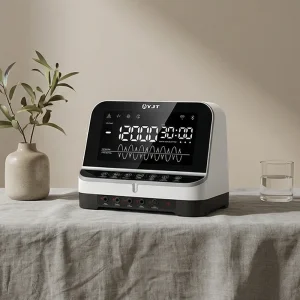
Therapists use heavy-duty adjustable thermal wraps, deep tissue electromagnetic heaters, and phototherapy panels to prep muscles before manual adjustments. These devices must be durable, easy to sanitize, and feature user-friendly controls to withstand continuous, high-volume clinic use.
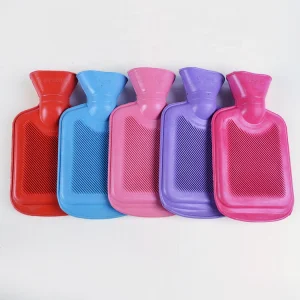
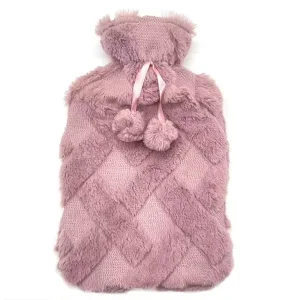
Adhesive heating patches and soft, fabric-covered hot water bottles are essential products for retail pharmacies and supermarkets. Designed for managing menstrual cramps and neck stiffness, these products focus on portability, ease of use, and skin-friendly, hypoallergenic materials that fit comfortably under clothing.
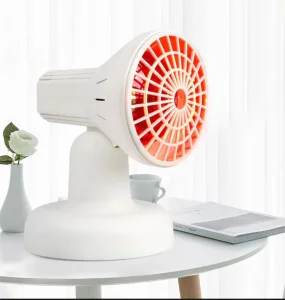
Modern sports science focuses on active recovery. Cordless, wearable heated wraps, far-infrared lamps, and target muscle heat pads help reduce delayed onset muscle soreness (DOMS). Integrating these with vibration massagers offers a highly effective dual-action recovery solution for athletes.
Essential standards and verification protocols when partnering with a high-caliber Chinese manufacturer.
For procurement officers, brand managers, and quality assurance specialists, choosing the right manufacturer is key to brand reputation and regulatory compliance. Use this checklist during your audits:
Answering key technical and commercial queries regarding medical-grade dry heat therapy devices.
 Syrup Medical