What Makes High Quality Heat Therapy Products?
Choosing a heat therapy product involves more than comparing its highest temperature. The practical question is what are the key features of high-quality heat therapy products, and how can buyers assess them? Dr. Edward Laskowski, a Mayo Clinic sports medicine specialist, notes, “Heat can help relax muscles and improve blood flow.” That general benefit depends on using suitable equipment correctly; a heating pad or wrap should not promise to diagnose or cure an injury.
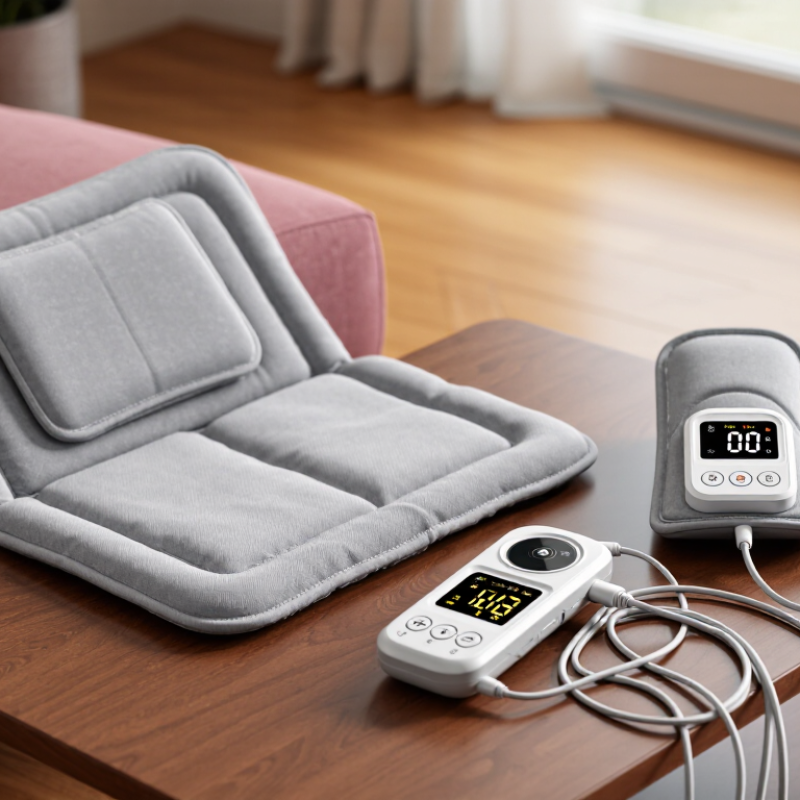
Good design starts with controlled, even warmth. Look for adjustable settings, a clear display, and an automatic shutoff. Check whether the heating surface sits smoothly against the body without creating obvious hot spots. The fabric should feel comfortable, and the seams, cable, and controller should seem sturdy. Small details matter. A stiff cord can tug when you shift on the sofa; confusing controls can make a simple session stressful.
Safety information deserves the same attention as product features. Clear instructions should explain placement, session limits, cleaning, and when to stop using the device. Buyers should also check independent testing or certification claims, rather than relying only on polished packaging. A high temperature is not automatically better. Nor does a premium price prove quality. Product descriptions can leave out useful details, so comparing manuals and warranty terms is worthwhile. This outline will examine construction, temperature control, usability, and safety, while recognizing that comfort and individual needs vary. A dependable product supports careful use; it cannot replace medical advice when pain is persistent or unusual.
What Makes High Quality Heat Therapy Products?
Core Components and Materials Used in Heat Therapy Products
A heat therapy product is only as dependable as the parts that control and distribute warmth. Heating elements may use insulated resistance wire or flexible conductive materials, arranged to reduce cold spots. Even spacing matters. A hand-sized pad should feel consistently warm across its center, not sharply hot in one corner. Temperature sensors and a controller help regulate output, while clear settings make adjustments easier to understand. These parts should be secured against shifting during ordinary use.
The outer layer affects comfort, durability, and cleaning. Soft fabrics such as cotton blends or polyester can feel gentle against clothing, but stitching and seams also matter. Rough edges can irritate skin. A removable, washable cover is useful, provided care instructions explain how to protect the inner components. Insulation can help retain heat and limit heat loss, yet too much padding may make a wrap stiff or uneven. Fit is not a minor detail: a neck wrap that slips may deliver warmth inconsistently. Materials and controls should be assessed together, rather than by softness alone. I would still check how a product behaves after repeated use; neat construction does not guarantee lasting performance. Follow the product’s safety instructions, and stop use if the material or controls appear damaged.
| Product Type | Core Heating Component | Common Materials | Quality and Safety Considerations |
|---|---|---|---|
| Electric heating pad | Electrical resistance wire or another electrically powered heating element | Insulated heating element; textile or polymer enclosure; soft fabric cover | Look for even heat distribution, a clearly marked controller, reliable temperature regulation, and protection against overheating. The pad and cover should be suitable for the product’s stated cleaning instructions. |
| Electric wrap or belt | Flexible resistance-wire or other flexible heating element | Flexible textile layers, wiring insulation, adjustable straps or closures, and a skin-contact cover | Quality depends on a flexible but secure fit, durable stitching and closures, protected wiring, and controls that are easy to reach. The product should be used only as directed and should not be tightly folded over its heating element. |
| Microwaveable grain pack | Grains or seeds warmed in a microwave; no electrical heating element | Common fillings include wheat, flaxseed, or rice; outer covers are often cotton or another heat-tolerant textile | Filling should be evenly distributed and fully enclosed. Clear microwave-heating instructions matter because overheating can cause burns or scorch the filling. Allow the pack to cool before reheating if instructed. |
| Reusable hot or cold gel pack | Water-based gel or other formulated filling, warmed or cooled only as specified | Flexible plastic film or molded polymer pouch; some products include a fabric sleeve | Check whether the pack is designed for microwave heating, hot-water warming, cooling, or a specific combination. A sound seal and instructions for checking temperature help reduce leakage and skin-injury risks. |
| Hot-water bottle | Hot water stored inside the bottle; no electrical heating element | Typically rubber or thermoplastic material, with an optional fabric cover | Inspect the bottle for cracks, brittleness, leaks, or wear, especially around the neck and stopper. Follow the manufacturer’s filling instructions; avoid overfilling, trap excess air only if directed, and use a cover where recommended. |
| Electric heated blanket or throw | Insulated resistance wires distributed through the textile layers | Textile outer layers, insulated wiring, controller, and electrical connections | Important features include temperature regulation and overheat protection. Check the care label before washing or drying, and do not use a blanket with exposed, damaged, or sharply creased wiring. |
| General skin-contact layer | Not a heat source; separates the heating core from the user | Soft textiles such as cotton or polyester blends, or a smooth polymer surface, depending on product design | The layer should be intact, comfortable, and appropriate for the intended cleaning method. A cover does not eliminate burn risk: temperature, contact time, and individual sensitivity still matter. |
Quality principle: A well-made heat therapy product combines suitable materials, consistent heat delivery, dependable temperature control where applicable, durable construction, and clear use and care instructions. Always follow the product’s directions and stop using it if it becomes damaged or unusually hot.
It helps keep warmth more even across the contact area. A displayed setting alone cannot prevent every hot spot.
No. Sensor placement, product fit, and personal sensitivity all affect how the surface feels. Check it before use.
A 2006 review examined nine trials involving 1,117 people. It found limited evidence of small, short-term pain relief. Not a cure.
Choose adjustable settings, overheat protection, and automatic shutoff. Controls should be easy to read, and the cord should feel secure.
Keep the fabric flat and follow the instructions about coverings. Folds can trap warmth. Check your skin during use.
Stop if your skin becomes unusually red, numb, or uncomfortable. Burning is a clear warning.
People with reduced sensation, circulation problems, or difficulty noticing heat should ask first. A low setting may still feel too intense.
Keep it dry and unplug it. Replace it if the wiring, fabric, or controls show damage. Don’t ignore wear.
High-quality heat therapy products combine suitable materials with reliable construction to provide comfortable, even warmth. Soft, skin-friendly coverings and durable internal components can improve comfort and withstand regular use. Temperature controls should make it easy to select and maintain a consistent heat level, while clear settings and responsive adjustment help match warmth to personal preference. These qualities address the question, “what are the key features of high-quality heat therapy products,” by connecting material choice, temperature consistency, and practical usability.
Safety and durability are equally important. Features such as automatic shutoff, overheat protection, secure connections, and clear care instructions can help reduce common risks during use. Strong stitching, well-finished edges, and components designed for repeated handling can support a longer product life. To assess quality for different therapy needs, consider the area being treated, desired heat intensity, ease of use, cleaning requirements, and relevant safety information. The best choice is one that delivers dependable warmth while fitting comfortably into a person’s routine.

 Syrup Medical