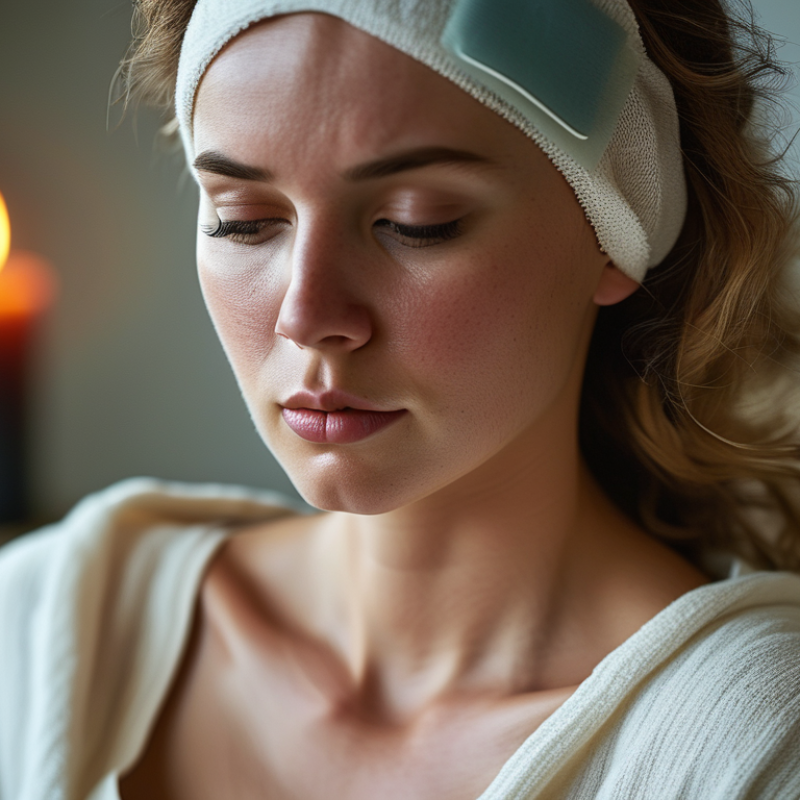
When dealing with pain, many seek relief through various methods. One popular choice is the use of heat patches. They provide warmth that can soothe aches and stiffness. However, understanding how to use heat patches safely for pain relief is crucial. Misuse may lead to burns or skin irritation.
Heat patches come in various forms. Some stick to the skin, while others are applied differently. It's essential to read the instructions carefully. Follow the guidelines on duration and temperature. This ensures safety and maximizes effectiveness.
People often assume all heat patches are the same. However, each has its features. They can be effective for specific conditions like muscle pain or cramps. Knowing your needs helps in selecting the right product. Always listen to your body. If discomfort occurs, discontinue use. Taking necessary precautions will enhance your experience with heat patches, providing the relief you seek.
Heat patches are widely used for pain relief. They provide a simple, non-invasive method to soothe sore muscles and alleviate discomfort. According to a report by the National Institutes of Health, heat therapy is effective for managing conditions like arthritis and chronic back pain. Applying heat helps improve blood flow, which promotes healing and reduces stiffness.
The effectiveness of heat patches can vary. Studies indicate that they are most beneficial when used for up to 30 minutes. Safety is crucial, as prolonged exposure may lead to skin burns. Individuals should always follow the usage guidelines provided with the patches. Moreover, people with certain conditions, like diabetes, should consult a healthcare professional before use.
While many find relief through heat patches, some report limited effectiveness. Factors like body area and severity of pain can impact results. Experimenting with different heat levels and durations might be necessary. It's important to listen to your body and adjust usage accordingly. Understanding individual needs is key to maximizing the benefits of heat therapy.
When selecting the right type of heat patch, understanding your specific pain condition is crucial. Research shows that localized pain, such as backaches or muscle strains, often responds better to targeted heat therapy. According to a 2021 report by the American Pain Society, nearly 70% of patients found significant relief with heat applications. However, not all heat patches are created equal.
For muscle strains, a moist heat patch may be more beneficial than a dry one. Moist heat penetrates deeper. While dry heat can provide comfort, it often lacks the intensity needed for severe pain. A study published in the Journal of Pain Research highlighted that moist heat increased blood flow more effectively than dry alternatives. Users should also consider the duration of heat application. Continuous use might lead to skin irritation, so it's important to take breaks.
People often overlook the temperature settings. Many assume that high heat is always better. However, excessive temperatures can cause burns. Guidelines recommend a gentle warmth instead. An article in the Journal of Clinical Nursing pointed out that 38-40°C is generally effective for pain relief without risks. Listening to your body's response is vital. If you feel discomfort, reassess your choice. Consider trying different types of heat patches to find what truly works for you.
Using heat patches for pain relief can be beneficial when applied correctly. Proper application techniques are crucial for maximizing their effectiveness. Heat patches work by increasing blood flow, which can ease muscle tension and soreness. According to a study from the Journal of Pain Research, 70% of participants reported reduced pain after using heat therapy.
To ensure maximum effectiveness, place the patch on clean, dry skin. Avoid hairy areas for better adhesion. Also, ensure the patch is at the right temperature. Too hot can cause burns, while too cool may not provide relief. For optimal results, apply the patch for 30 to 60 minutes, but check your skin regularly for any signs of irritation or discomfort.
Tips: Start with a low temperature setting. This helps to prevent burns, especially for beginners. Regularly changing the patch location can prevent skin irritation and enhance blood flow.
Heat patches are generally safe, but they are not for everyone. Always consult with a healthcare provider if you have sensitive skin or existing conditions. The effectiveness of heat therapy can vary from person to person. It’s important to listen to your body and adjust your usage accordingly. Remember, the key is to find what works best for you.
When using heat patches for pain relief, safety should always come first. Start by carefully reading the instructions before application. Some patches may have specific temperature settings or time limits. Applying a heat patch for too long can lead to burns or skin irritation. Monitor your skin closely while using the patch. If you notice any changes, remove it immediately.
Tips: Avoid using heat patches on broken or irritated skin. This can worsen your condition. It's also essential not to use heat patches while sleeping. You might not realize if the patch becomes too hot. Make sure to allow your skin to rest between applications. This helps to prevent sensitivities and prolonged irritation.
Consider consulting a healthcare professional if you have chronic pain or underlying conditions. They can provide insights on the safe use of heat therapy. Everyone's body reacts differently to heat. Be cautious when using patches on sensitive areas, like the lower back or neck. Adjust your usage based on personal comfort levels.
Managing pain is often a complex process. While heat patches offer relief for many, knowing when to seek medical advice is crucial. If pain persists for more than a few days, it's a signal to consult a healthcare professional. Chronic pain can indicate underlying conditions requiring attention.
Additionally, if you notice swelling, redness, or heat near the pain area, these may be signs of infection or injury. Seek help immediately if you experience sudden, severe pain or any symptoms that worsen over time. It's important to listen to your body. Sometimes, what seems like a minor ache can develop into a more serious issue.
Lastly, don't hesitate to ask questions during medical visits. Describe your pain clearly. Is it sharp? Dull? Does it radiate? This information helps professionals make informed recommendations. Pain management should be a collaborative process. Your insights are valuable for effective treatment.
: Heat patches provide non-invasive pain relief for sore muscles and discomfort. They help manage conditions like arthritis and back pain.
Heat application improves blood flow, promoting healing and reducing stiffness in affected areas.
Studies suggest using heat patches for up to 30 minutes for best results. Prolonged use may cause burns.
Yes, always read the instructions. Avoid using on broken skin and do not sleep with the patch on.
Some people, like those with diabetes, should consult a healthcare professional before use to ensure safety.
If you notice any skin changes, remove the patch immediately. Monitoring your skin is crucial during use.
Effectiveness can vary based on pain severity and body area. Experimenting with heat levels may help.
Understand your individual needs and adjust usage. Listening to your body is key for better results.
No, it's not safe. You might not notice if the patch gets too hot, leading to skin irritation.
Allow your skin to rest between applications to reduce sensitivity and prolonged irritation.
Heat patches are a popular non-invasive option for pain relief, effectively alleviating discomfort caused by various conditions. Understanding heat patches and their specific uses is fundamental to maximizing their benefits. When considering how to use heat patches safely for pain relief, it is important to select the right type for your condition and apply it correctly to achieve the best results. This includes ensuring the patches are positioned properly on the skin and monitoring the duration of use to avoid potential burns.
Additionally, safety precautions should be taken, such as checking for any skin irritations or allergies before use. Consulting with a healthcare professional regarding pain management is advisable if symptoms persist or if there are any underlying health concerns. By following these guidelines, users can enhance their pain relief experience with heat patches while prioritizing their safety and well-being.
Syrup Medical