Pain relief is changing beyond the familiar cycle of tablets, injections, and clinic visits. This introduction explores what are the latest trends in pain relief solutions, including wearable neuromodulation, digital therapeutics, personalized treatment plans, regenerative approaches, and non-opioid medicines. Some options fit a phone-sized device against the skin. Others use remote monitoring to track sleep, movement, and flare patterns at home.
The direction is promising, but it is not simple. Evidence quality differs between products, patient groups, and pain conditions. A glowing screen cannot replace a careful diagnosis. Nor should convenience become a substitute for clinical judgment. Pain researcher Ronald Melzack wrote, “Pain is whatever the experiencing person says it is, existing whenever he says it does.” This principle keeps lived experience at the center of modern care.
The coming sections examine each trend through clinical evidence, patient safety, accessibility, and practical outcomes. They will consider how clinicians use data without treating algorithms as unquestionable authorities. They will also ask whether newer solutions reduce pain, improve function, or merely sound innovative. That distinction matters.
Real progress may look less dramatic than advertising suggests. It might mean walking farther, sleeping through the night, or needing fewer rescue treatments. These outcomes deserve careful measurement. Some trends remain early and imperfect. That is worth admitting. Reliable pain care should combine medical expertise, patient experience, transparent research, and realistic expectations.
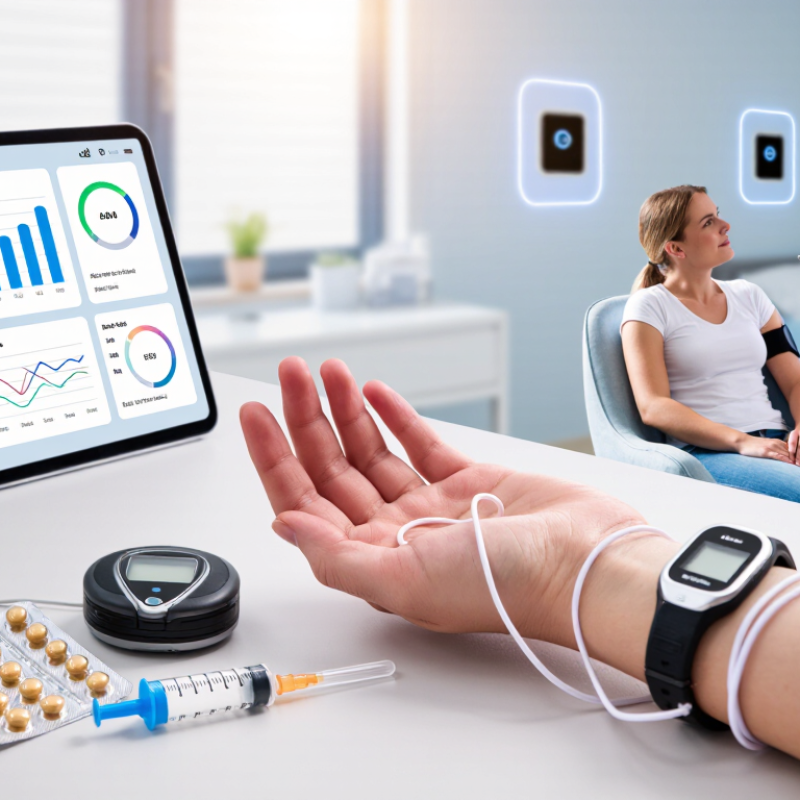
What Are the Top 10 Latest Trends in Pain Relief Solutions?
Modern pain relief is moving beyond one treatment for everyone. Personalized care now combines clinical assessment, patient preferences, movement patterns, sleep, and emotional wellbeing. The leading trends include non-drug therapies, digital monitoring, wearable devices, telehealth, physical therapy, mindfulness, targeted injections, neuromodulation, artificial intelligence, and multidisciplinary care. The World Health Organization estimates that 1.71 billion people live with musculoskeletal conditions worldwide. That scale demands flexible solutions, not simple promises. In the United States, 20.9% of adults reported chronic pain in 2021, according to the National Center for Health Statistics. These figures show why individualized plans matter.
A modern plan may begin with a pain diary, functional testing, and a conversation about daily goals. Data can help clinicians adjust exercise intensity, treatment timing, and follow-up support. Yet personalization is not magic. Algorithms can miss cultural context, medication history, or the fear behind a guarded movement. The Global Burden of Disease Study also links pain and disability with major losses in work and quality of life. Better care should measure walking, sleeping, and participation—not pain scores alone. More evidence is still needed for some emerging tools.
Tips: Track triggers, sleep, movement, and treatment effects for two weeks. Share the record with a qualified clinician. Ask how benefits, risks, costs, and alternatives apply to your body. Review progress regularly, because an imperfect plan can still improve.
| No. | Trend | What It Means | Key Modalities or Practices | Why It Matters for Patients | Current Evidence or Direction | Implementation Considerations |
|---|---|---|---|---|---|---|
| 1 | Multimodal, Non-Opioid Pain Care | Combining therapies with different mechanisms instead of relying on a single medicine or intervention. | Exercise therapy, psychological support, physical rehabilitation, non-opioid medicines, education, and selected procedures. | Addresses physical, emotional, behavioral, and social contributors to pain while reducing dependence on one treatment type. | Established direction Major clinical guidelines increasingly recommend multimodal treatment, especially for chronic pain and postoperative care. |
Requires coordinated assessment, realistic goals, and regular review of benefits, adverse effects, and functional progress. |
| 2 | Personalized and Precision Pain Management | Adapting treatment to pain mechanism, diagnosis, comorbidities, genetics, lifestyle, preferences, and previous treatment response. | Phenotyping, individualized care plans, shared decision-making, medication review, and response-guided adjustments. | May improve treatment fit and avoid unnecessary therapies that are unlikely to help a particular patient. | Growing adoption Clinical personalization is expanding, although routine genetic testing and biomarker-based prescribing remain limited in everyday practice. |
Needs validated assessment tools, reliable patient data, clinician training, and safeguards against unequal access. |
| 3 | Digital Therapeutics and Remote Pain Care | Using digital platforms to deliver education, behavioral therapy, exercise programs, symptom tracking, and clinical communication. | Telehealth, app-supported cognitive behavioral therapy, remote monitoring, digital diaries, and guided home exercise. | Can increase access, support self-management, and provide more frequent feedback between clinical visits. | Growing adoption Telehealth and digitally delivered behavioral interventions are increasingly used, with effectiveness depending on engagement and clinical integration. |
Digital literacy, privacy, accessibility, internet access, and clinician oversight are essential for safe and equitable use. |
| 4 | Wearable Sensors and Patient-Generated Data | Collecting activity, sleep, heart-rate, movement, or symptom information to support pain assessment and treatment decisions. | Activity monitors, motion sensors, electronic symptom diaries, sleep tracking, and home-based functional measurements. | Provides information about daily function and patterns that may not be visible during a short clinic appointment. | Emerging clinical use Research is expanding, but many consumer-generated measures still require validation before they can guide diagnosis or treatment independently. |
Data should complement—not replace—clinical assessment. False alerts, missing data, and measurement bias must be managed. |
| 5 | Neuromodulation and Noninvasive Neurotechnology | Modifying pain-related nerve activity through electrical, magnetic, or other targeted stimulation approaches. | Transcutaneous electrical stimulation, spinal cord stimulation, peripheral nerve stimulation, and noninvasive brain stimulation. | Offers medication-sparing options for selected neuropathic or refractory pain conditions. | Established for selected indications Some implanted and noninvasive approaches have defined clinical roles, while the strength of evidence varies by condition and technique. |
Patient selection, specialist evaluation, device safety, follow-up, and realistic expectations are important. |
| 6 | Regenerative and Tissue-Repair Approaches | Using biologic materials or procedures intended to support tissue healing or modify local pain mechanisms. | Autologous injections, platelet-based preparations, cell-based research, and image-guided procedures. | May provide options for carefully selected musculoskeletal conditions when conventional care is insufficient. | Evidence remains variable Results differ substantially by condition, preparation, protocol, and study quality; many applications remain investigational. |
Patients should receive clear information about uncertainty, regulation, costs, potential harms, and alternatives. |
| 7 | Mind–Body and Psychological Interventions | Addressing attention, stress, sleep, mood, fear of movement, and coping processes that can influence pain and disability. | Cognitive behavioral therapy, mindfulness-based approaches, relaxation training, acceptance-based therapy, and pain education. | Can improve coping, activity, sleep, and quality of life even when pain intensity does not disappear completely. | Established component of care Evidence supports psychological and behavioral interventions as part of comprehensive management for many chronic pain conditions. |
Care should avoid implying that pain is “imaginary.” The approach works best when integrated with appropriate physical and medical care. |
| 8 | Sleep, Activity, and Lifestyle-Based Pain Management | Targeting modifiable factors that affect pain sensitivity, recovery, function, and treatment response. | Sleep treatment, graded physical activity, strength training, weight-management support, nutrition counseling, and smoking cessation. | Improves overall health and may reduce pain-related disability while supporting long-term self-management. | Established supportive strategy Guidelines commonly recommend physical activity, exercise, and attention to sleep and health behaviors for chronic pain. |
Plans should be gradual, accessible, culturally appropriate, and adapted to mobility, fatigue, work, and financial constraints. |
| 9 | Safer and More Structured Medication Stewardship | Using medicines according to indication, risk, duration, patient factors, and ongoing benefit–harm assessment. | Non-opioid options when appropriate, medication reconciliation, dose review, interaction checks, tapering plans, and monitoring. | Supports effective symptom control while reducing adverse effects, medication interactions, dependence risk, and avoidable long-term exposure. | Established safety priority Modern guidance emphasizes individualized prescribing, nonpharmacologic care, and careful monitoring rather than automatic escalation. |
Medicines should not be stopped abruptly without clinical guidance. Decisions must consider diagnosis, comorbidities, goals, and patient preferences. |
| 10 | Artificial Intelligence and Clinical Decision Support | Applying algorithms to identify patterns, estimate risk, support triage, summarize records, or suggest treatment options. | Risk prediction, imaging support, documentation assistance, symptom analysis, and personalized decision-support tools. | Could help clinicians recognize patterns and organize complex information more efficiently. | Early-stage clinical integration Potential is substantial, but real-world validation, transparency, bias testing, privacy, and clinician accountability remain necessary. |
AI should support—not replace—clinical judgment. Human review is required for diagnosis, treatment decisions, and communication of uncertainty. |
It matches care with pain source, health history, movement, sleep, and personal goals. Walking and sleeping matter too. The plan may change as your response becomes clearer.
Exercise therapy, physical rehabilitation, heat, mindfulness, and psychological support may help. Gentle movement can support function without focusing only on pain scores. Results may be gradual.
Record triggers, sleep, movement, treatment effects, and daily activities for two weeks. A simple notebook can reveal patterns, such as worse pain after poor sleep. Data helps.
Wearable sensors can track movement and support personalized exercise plans. Telehealth and digital coaching may improve access and follow-up. However, small studies and short testing periods limit confidence in some tools.
No medicine is risk-free, even with targeted delivery or lower whole-body exposure. Transdermal, nasal, and local delivery methods may offer practical benefits. Convenience can hide risks.
Ask about benefits, risks, costs, alternatives, and expected results. Discuss allergies, pregnancy, kidney problems, blood pressure, and other medicines. Professional review matters.
Claims covering every pain type deserve careful questioning. Pain sources, duration, severity, and health histories differ widely. No universal fix.
Track walking, sleeping, work, participation, side effects, and pain intensity. A plan may reduce pain slightly while improving daily function. That still counts.
Pain can involve muscles, nerves, emotions, sleep, and daily habits. Combining clinical assessment, movement support, education, and emotional care may address several factors. I may underestimate one factor.
Modern pain relief is moving beyond one-size-fits-all treatment toward personalized, evidence-based care. The question “what are the latest trends in pain relief solutions” reflects growing interest in wearable devices, neuromodulation, digital therapies, physical rehabilitation, and non-drug techniques that may help people manage pain while supporting daily function. These approaches can be tailored to the type, severity, duration, and underlying cause of pain, with professional guidance helping patients choose suitable options.
Medication research is also focusing on targeted treatments, safer formulations, and delivery methods designed to improve effectiveness while reducing unwanted effects. At the same time, regenerative and biologically inspired approaches are being explored to support tissue recovery and regulate pain pathways. Across all ten trends, the priority is responsible care: understanding the diagnosis, reviewing potential benefits and risks, considering individual health needs, and selecting solutions supported by credible evidence. A qualified healthcare professional should help guide treatment decisions, especially when pain is persistent, severe, or associated with other concerning symptoms.

 Syrup Medical