Heat therapy products can bring welcome comfort on a cold evening, but their reliability depends on care between uses. A plug-in heating pad, a microwavable grain pack, and a hot-water bottle each have different materials and limits. Treating them as interchangeable is an easy mistake. The product label matters. Learning how to store and maintain heat therapy products starts with checking the manufacturer’s instructions, not guessing from appearance. Some covers can be washed; others need spot cleaning. Some devices must cool completely before storage.
A simple routine can help: unplug electrical products, let warmed items cool, and store them in a clean, dry place away from direct sunlight and sharp objects. Keep cords loose rather than tightly wound, and avoid placing heavy items on soft packs that could deform or split. Check seams, plugs, and surfaces regularly for wear, leaks, or unusual smells. Stop using a product that appears damaged, and contact the manufacturer if its care instructions are unclear. Small checks help.
No single storage rule fits every design, which can be inconvenient. Even careful owners may overlook a frayed cord or a damp cover. That is why routine inspection matters as much as cleaning. Proper care cannot guarantee a product will last indefinitely, but it can help preserve its condition and support safer use. When in doubt, follow the product-specific guidance rather than relying on a general tip.
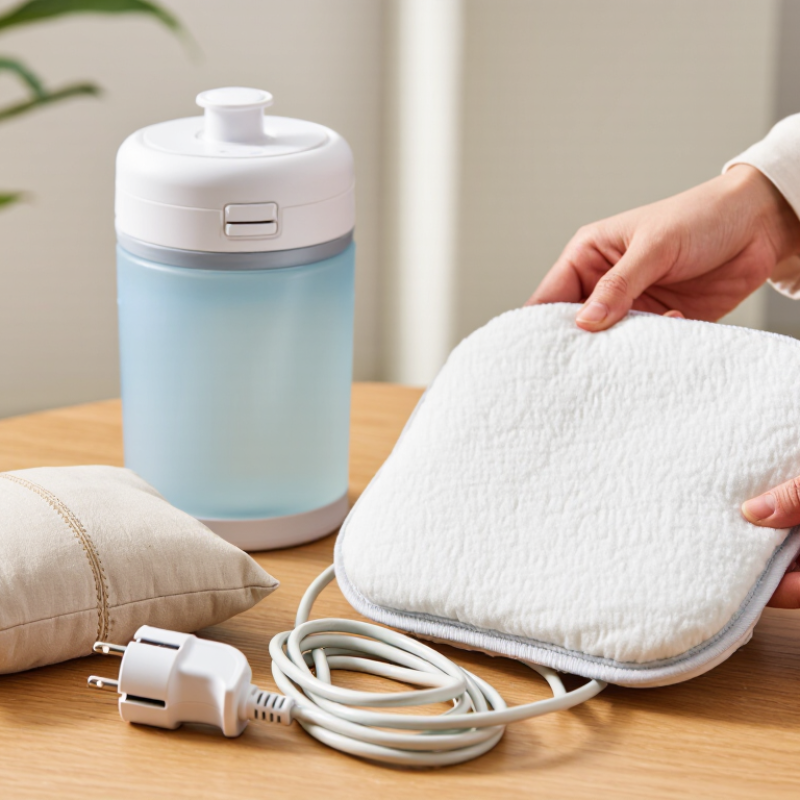
Electric heat pads and blankets need dry storage, intact cords, and gentle cleaning. Unplug them before cleaning, and follow the care label; many models are not washable. Check for frayed wires, cracked controls, or scorched fabric. Retire damaged items rather than testing them again. Keep them flat or loosely rolled, away from damp cupboards and sharp folds. Do not place heavy objects on top. Small details matter.
Microwaveable grain packs and reusable gel packs need different checks. Grain packs must cool fully before storage; discard them if they smell scorched, feel damp, or show mold. Heat only for the labeled time, since uneven hot spots can burn skin. Gel packs should be checked for leaks and stored as directed, often flat. Disposable chemical packs should remain sealed until use and go in household waste only when local instructions allow. The U.S. National Fire Protection Association reported an average of 44,210 home heating-equipment fires annually from 2016 to 2020. That figure is not specific to therapy products, but it reinforces careful handling around heat. I sometimes overlook the cover: it can look dry while the filling remains damp. Keep products separate.
Heat therapy products need different cleaning methods because their materials and construction vary. Check the care label before cleaning, and let the product cool completely. Unplug electric pads first.
Never soak a heating pad or its controller; moisture can damage electrical parts. Wipe the surface gently with a cloth dampened with mild soap and water, then dry it fully before use. Keep the plug and control away from the cloth.
For a removable fabric cover, follow its washing instructions. Close fasteners before laundering to prevent snags, and let the cover dry completely so warmth does not trap dampness inside.
Microwaveable grain wraps usually cannot be washed as a whole. Spot-clean the outer fabric with a lightly damp cloth, avoiding the filling, then air-dry it thoroughly.
Gel packs may have sealed plastic shells; wipe these clean and inspect for cracks or leaks. Don’t use a damaged pack. Small details matter.
I’ve found that people often mistake a removable cover for a washable insert. They are not always the same. If the label is missing, avoid soaking, harsh cleaners, and high heat until the maker’s care guidance is confirmed.
Some stains may remain, which is frustrating, but aggressive scrubbing can weaken seams or coatings. Drying can take longer than expected. Check that every layer is dry before storing the product in a cool, dry place.
After each session, switch off an electric heat wrap and unplug it by the plug, not the cord. Let it cool. Remove any washable cover and follow its care label. Wipe the device with a soft, slightly damp cloth only if the instructions allow it; never immerse electrical components. A quick wipe can miss moisture trapped along seams, so let every part dry fully before storage.
For microwaveable packs, wait until they are completely cool. Check stitching for splits and inspect gel or grain-filled packs for leaks, damp patches, or unusual odors. Discard a damaged pack rather than trying to patch it. Keep reusable covers clean and dry, and store packs flat or loosely folded in a cool, dry cupboard, away from direct sun and heavy objects. Don’t coil cords tightly; that can strain the insulation over time.
This care is sensible, not a guarantee against every fault. NFPA’s Home Fires Involving Heating Equipment report estimated 44,210 U.S. home heating-equipment fires annually during 2016–2020. That category covers many household heating sources, not heat-therapy products specifically. Still, it reinforces the value of checking heat-producing equipment before putting it away. I sometimes overlook the cord. A close look takes seconds. If the product’s instructions differ from general advice, follow those instructions.
How to Store and Maintain Heat Therapy Products?
Store Products in Suitable Conditions to Preserve Performance
Store heat therapy products in a cool, dry place, away from radiators, direct sunlight, and damp bathrooms. Heat and moisture can affect fabric, adhesives, electrical parts, and rechargeable batteries. Keep reusable pads flat or loosely folded, with cords untangled and plugs dry. Small details matter.
ISO 2233:2000 uses a controlled conditioning environment of 23 ± 2°C and 50 ± 5% relative humidity when testing transport packages. These figures are a testing benchmark, not a universal storage rule for therapy products. Follow the product’s own care label and storage instructions. The awkward part is that one storage method does not suit every design.
For electric pads and wraps, let the product cool fully before putting it away. Check the fabric, seams, cable, and connector for wear. IEC 60335-2-17 covers safety requirements for blankets, pads, and similar flexible heating appliances; damaged electrical parts should not be treated as routine wear. Store disposable heat packs sealed in their original packaging, away from moisture. For rechargeable models, use the manual’s battery guidance. Remove the battery only if instructed. A little uncertainty is normal: product materials differ, so avoid guessing when the label is unclear.
Store products in suitable conditions to help preserve their performance. The chart counts practical care steps in each phase; it is a checklist count, not a product-performance measurement.
Before use (3): Check the product for damage, inspect electrical cords where applicable, and confirm it is clean and dry.
After use (3): Switch off and unplug electrical products, let the product cool completely, and clean it according to its care instructions.
Long-term storage (4): Store it clean and dry, keep it away from direct sunlight and moisture, avoid crushing or sharply folding it, and follow the manufacturer’s storage instructions.
Inspect each heat therapy product before use, especially after storage. Unplug electric pads and let reusable packs cool completely. Look closely. Check the cord for fraying, the plug for looseness, and the cover for thinning seams, leaks, or darkened spots. Test controls only as instructed; a thermostat that behaves inconsistently is a warning, not a minor annoyance. Replace damaged items rather than patching wires or covers. Do not guess. Follow the product’s stated service life, since wear inside a pad may not show on its surface.
The American Burn Association’s Burn Injury Fact Sheet estimates that about 486,000 people in the United States receive medical treatment for burn injuries each year. WHO estimates roughly 180,000 burn-related deaths worldwide annually. These figures cover burns broadly, not heat therapy products alone, but they underline why careful checks matter. Store products dry, away from sharp objects, and avoid folding electric pads tightly around their cords. If a pack smells unusual, heats unevenly, or has a swollen or cracked casing, stop using it. It is easy to dismiss one small split as cosmetic; that judgment deserves a second look. Replace it.
| Product type | What to inspect | Signs to stop using and replace | Suggested check frequency | Care and storage |
|---|---|---|---|---|
| Electric heating pad | Check the fabric, cord, plug, controller, and connector before use. Confirm the pad heats evenly and the controls work as described in the manual. | Discard if the cord or plug is frayed, cracked, or exposed; the fabric is torn; wiring is visible; the pad has scorched areas; or it heats erratically. | Before each use; inspect more closely during routine cleaning. | Unplug after use and let it cool. Store flat or loosely rolled, without sharp folds or heavy objects on top. Clean only as directed by the manufacturer. |
| Electric blanket | Look over the blanket for worn fabric, creases around heating areas, damaged wiring, and loose or damaged controls and connectors. | Stop using it if wires are exposed, the blanket is scorched or torn, a connector is damaged, or it develops hot spots or fails to operate normally. | Before seasonal use and whenever it is removed from storage; check for damage before each use. | Follow the care label. Store dry and loosely folded or rolled as instructed; avoid sharp creases, pinching, and placing heavy items on it. |
| Hot water bottle | Check the bottle body, seams, neck, and stopper for brittleness, thinning, cracks, leaks, or other deterioration. Check the stopper fits securely. | Replace a bottle that leaks, is cracked, has a damaged neck or stopper, or shows signs of becoming brittle or worn. Do not use a damaged bottle. | Before each use, especially after long-term storage. | Empty after use, allow it to dry, and store away from direct sunlight, heat, and sharp objects. Follow the product’s instructions for filling and replacement. |
| Microwaveable heat pack | Inspect the cover and seams for holes, loose stitching, or leaking filling. Check for dampness, unusual odors, and uneven heating. | Stop using it if filling escapes, the cover is damaged, it smells scorched, or it heats unevenly. Replace it if the filling or pack has deteriorated. | Before each use; inspect again after cooling. | Heat only for the time and method specified by the manufacturer. Let it cool completely and store it dry. Do not use if it is damp or damaged. |
| Reusable gel heat pack | Check the outer pouch and seals for punctures, swelling, leaks, or weakened seams. Confirm the pack can be heated using its specified method. | Discard if the pouch leaks, is punctured, has a damaged seal, or shows unusual swelling. Do not heat or use a compromised pack. | Before each use and after each heating cycle. | Use only the heating method and time stated on the product instructions. Store clean and dry, away from sharp objects and excessive heat. |
Always follow the product’s care and replacement instructions. When in doubt about damage or safe operation, stop using the item and replace it.
Unplug them and let them cool fully. Store them dry, flat, or loosely rolled. Keep cords untangled and away from sharp folds.
Look for frayed wires, loose plugs, cracked controls, thinning seams, or scorched fabric. Stop using damaged items. Don’t patch them.
Check the care label first. Many models are not washable. Unplug the product before cleaning, and keep its plug dry.
Heat them only for the labeled time. Let them cool fully before storage. Discard a pack that smells scorched, feels damp, or shows mold.
Check for leaks and follow the storage directions, which may call for flat storage. Keep the pack away from sharp objects. Small splits matter.
Choose a cool, dry place away from radiators, direct sunlight, and damp bathrooms. Avoid heavy objects on top. One method won’t suit every product.
Keep them sealed in their original packaging and away from moisture. Follow local disposal instructions after use. Don’t open them early.
Replace products with damaged cords, leaks, swollen casings, or uneven heating. Follow the stated service life. I might overlook a small flaw, but it deserves another look.
Knowing how to store and maintain heat therapy products begins with identifying the product type and following care practices suited to its materials and design. Reusable wraps, fabric covers, and other heat therapy items may have different cleaning needs, so check their care instructions and avoid methods that could damage their filling, seams, or heating components. Clean products as appropriate, then allow them to cool and dry completely before putting them away.
Store each item in a clean, dry place with suitable ventilation, away from moisture, direct sunlight, and sources of excessive heat. Keep products arranged so they are not sharply folded, crushed, or strained, and protect them from dust when practical. Inspect them regularly for signs of wear, such as tears, leaks, damaged closures, or changes in performance. Discontinue use and replace any item that appears damaged or no longer works reliably. These simple habits help preserve cleanliness, function, and comfort over time.

Syrup Medical