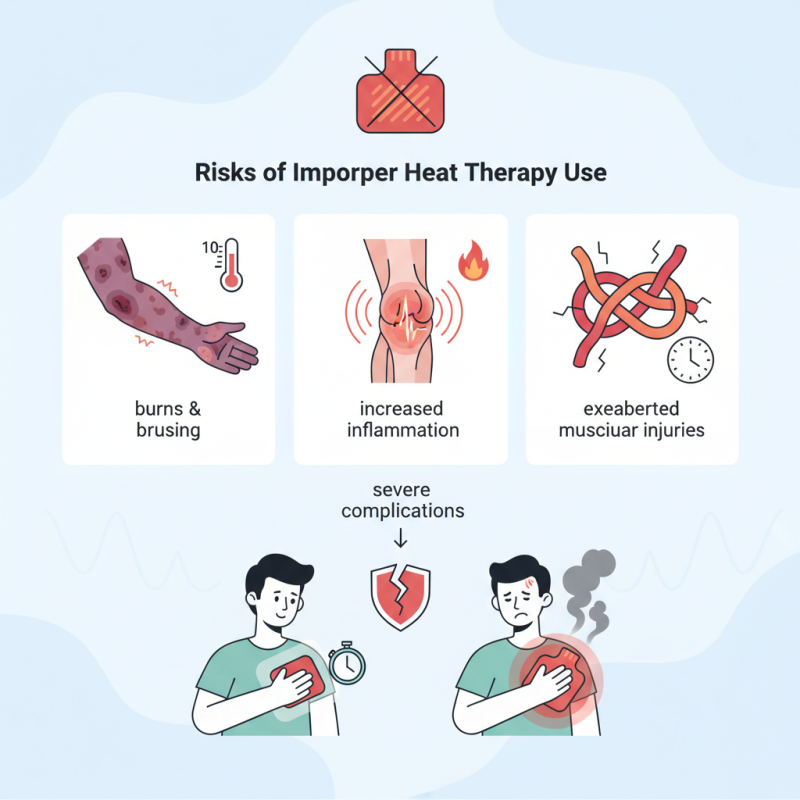
Heat therapy is a popular method for managing pain and promoting recovery. However, many individuals are unaware of the potential dangers associated with improper heat therapy use. A report from the Journal of Rehabilitation Research and Development indicates that misuse can lead to burns, bruising, and increased inflammation. The question arises: what are the risks of improper heat therapy use?
Professionals urge users to understand the correct application techniques. Many users apply heat for too long or at excessively high temperatures. According to the American Physical Therapy Association, over 30% of patients experience adverse effects due to misguided heat applications. These issues highlight the importance of proper education.
Ignoring guidelines can lead to severe complications. In some instances, prolonged heat exposure can exacerbate muscular injuries. This cycle of harm creates a paradox, where the very therapy meant to heal can cause further damage. Understanding the risks is vital for anyone considering heat therapy. With informed use, individuals can enjoy the benefits while minimizing potential hazards.
Understanding Heat Therapy and Its Applications
Heat therapy is widely recognized for its benefits in pain relief, muscle relaxation, and improved circulation. This therapy utilizes heat to treat various conditions, including arthritis and muscle strains. According to the American Physical Therapy Association, 78% of therapists report heat therapy as effective in managing acute pain. However, the application of heat must be approached with caution to avoid potential risks.
Improper use of heat therapy can lead to serious adverse effects. For instance, extended exposure to high temperatures may cause burns or heat-related illnesses. Research indicates that nearly 20% of patients using heat therapy experience skin injuries. It's crucial to monitor the skin condition throughout treatment. The National Institutes of Health suggests using a barrier, like a towel, between the heat source and skin to prevent burns.
While heat therapy is beneficial, self-administration without guidance can pose risks. Misunderstanding the duration or intensity can lead to ineffective treatment. Healthcare professionals emphasize the importance of tailoring heat therapy to individual needs. A one-size-fits-all approach can result in negative outcomes. An informed understanding of heat therapy is vital for safe and effective application.
Risks of Improper Heat Therapy Use
Common Types of Heat Therapy Techniques and Devices
Heat therapy is widely used for pain relief and muscle relaxation. It includes various techniques, such as hot packs, warm baths, and heating pads. According to a study from the American Physical Therapy Association, proper heat application can greatly enhance recovery, especially in conditions like arthritis and lower back pain. However, improper use poses significant risks.
Common devices include electric heating pads and hydrocollator packs. These require careful monitoring of temperature and duration. Reports indicate that 30% of users experience burns or skin irritation due to excessive heat levels. In contrast, heat therapy should stay between 104°F and 113°F for safe application. Short sessions of 15 to 20 minutes prevent skin damage while ensuring effectiveness.
Thermal therapy can be tricky. Some individuals might not feel immediate discomfort. They may mistakenly assume all is well, potentially leading to overuse. Continuous heat can cause inflammation or exacerbate certain conditions. Data suggests that up to 20% of heat therapy users face complications from prolonged use. Awareness is essential for safe and effective treatment.
Potential Risks and Side Effects of Improper Heat Use
Heat therapy can be highly effective for pain relief or muscle relaxation. However, improper use poses significant risks. According to the Journal of Pain Research, excessive heat can lead to burns, dehydration, and even heat stroke. The skin, especially sensitive areas, can suffer severe damage if heat is applied carelessly. Even mild heat can cause adverse effects when used for too long.
Using heat on areas with poor circulation can be particularly hazardous. The body struggles to dissipate heat, increasing the risk of complications. Research from the American Physical Therapy Association indicates that individuals with conditions like diabetes should exercise extreme caution. They may not feel the heat effectively, leading to injuries.
Therapists recommend setting timers to limit exposure. Continuous heat application for over 20 minutes can aggravate inflammation instead of alleviating it. Listening to one’s body is essential. If discomfort arises, it might signal improper heat usage. Each individual should remain aware of their unique responses to heat therapy.
Identifying Who Should Avoid Heat Therapy
Heat therapy can be a valuable tool for pain relief and muscle relaxation, but not everyone should use it. Certain groups are at risk of complications.
Pregnant women should approach heat therapy with caution. Excessive heat can affect fetal development and cause overheating.
Individuals with cardiovascular issues must also avoid heat therapy, as it can elevate heart rates and blood pressure.
Those with diabetic neuropathy should refrain from using heat packs. Heat can mask injuries and lead to burns, as sensation may be diminished. According to the American Physical Therapy Association, improper heat application can lead to severe injuries. The risk increases significantly in vulnerable populations.
Tips: Always test heat levels with your hand before applying. Limit exposure to 15-20 minutes to avoid skin damage. Seek alternatives like cold therapy, especially if you fall into a high-risk category. Remember, consulting a healthcare provider is crucial before starting any therapy.
Best Practices for Safe and Effective Heat Therapy Usage
Heat therapy can provide significant relief for aches and pains when used correctly. However, improper use can lead to burns, skin damage, and increased inflammation. According to the American Physical Therapy Association, 30% of patients report adverse reactions when heat therapy is not applied properly. Best practices are crucial to minimize these risks and ensure effective treatments.
Tip: Always start with a warm compress rather than heat directly. This is safer and allows you to gauge your body’s reaction. Use a barrier like a towel between the heat source and your skin. Limit sessions to 15-20 minutes. Overheating can lead to discomfort or burns, especially in sensitive areas.
Monitor the temperature of your heat source. Ideal heat levels should be warm, not hot. The American Academy of Family Physicians emphasizes understanding your body’s signals. Some individuals may experience discomfort from even mild heat. If it's too hot, stop immediately. Investing time in learning about your body’s response to heat can enhance your therapy experience while reducing the likelihood of injury.
Tip: Stay hydrated before and during sessions. Adequate hydration supports your body’s ability to cope with heat therapy. Additionally, consider consulting a healthcare professional if you have underlying conditions. They can provide tailored advice to ensure you use heat therapy safely and effectively.
FAQS
: Pregnant women should use heat therapy with caution due to potential risks to fetal development.
It can elevate heart rates and blood pressure, posing serious health risks.
No, they should avoid heat as it may mask injuries and lead to burns.
Sessions should be limited to 15-20 minutes to prevent skin damage.
Start with a warm compress and always use a barrier between the heat source and skin.
Test the heat with your hand before applying it to the skin.
Stop immediately if it's too hot, as some may feel discomfort even with mild heat.
Staying hydrated is key for coping with heat and can enhance the therapy experience.
Yes, especially if you have existing health conditions for tailored advice.
It can lead to burns, skin damage, and increased inflammation, with serious consequences.
Conclusion
Heat therapy is a widely utilized treatment method for various conditions, providing relief through increased blood flow, relaxation of muscles, and reduction of pain. However, it is crucial to understand what are the risks of improper heat therapy use. Common heat therapy techniques include hot packs, heating pads, and warm baths, each having its own applications and benefits. Nevertheless, improper usage can lead to potential risks and side effects such as burns, skin irritation, or exacerbation of pre-existing health issues.
Certain individuals, including those with compromised skin sensitivity, cardiovascular problems, or certain medical conditions, should avoid heat therapy altogether. To ensure safety and effectiveness, it is vital to follow best practices, such as monitoring temperature, limiting application time, and consulting with healthcare professionals regarding individual suitability for heat therapy. By being aware of these aspects, one can maximize the benefits of heat therapy while minimizing associated risks.

 Syrup Medical