Heat can make a stiff morning feel more manageable. A warm wrap around the lower back, a shoulder pad beneath a sweater, or a small heated belt during a break offers comfort without requiring a full change of routine. Wearable heat therapy solutions are designed to bring warmth closer to the area where people want it, while leaving their hands free for ordinary tasks. Convenience matters.
Why do people prefer wearable heat therapy solutions? The answer often comes down to portability, adjustable warmth, and the ability to use a device at home, at work, or while traveling. Some products use rechargeable batteries; others connect to a power source. Materials, fit, heating zones, and controls vary, so a comfortable option for one person may feel bulky or restrictive to another. Small details count.
This guide explores ten reasons people choose wearable heat, from targeted comfort to easier daily routines. It also considers practical trade-offs, including battery life, care instructions, cost, and how long a device can be worn comfortably. Warmth may soothe temporary muscle tension, but it does not diagnose or treat every cause of pain. It is not a cure. People with persistent symptoms, reduced skin sensation, circulation concerns, or other health conditions should seek advice from a qualified healthcare professional before using heat. Products differ, and claims deserve a careful look. The best choice is not always the most advanced one; sometimes it is simply the wrap that fits well, heats evenly, and feels safe to use. A little skepticism helps.
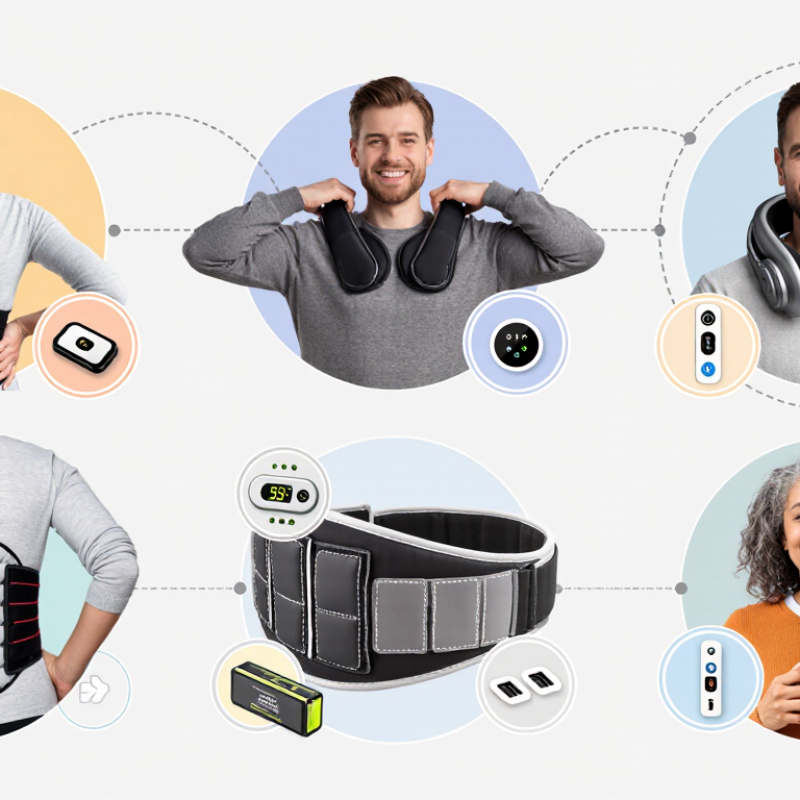
Wearable heat therapy works by transferring controlled warmth through a fabric layer onto the skin. Most devices use flexible heating elements that spread heat across a small, targeted area. The warmth then moves into nearby tissues through conduction. Some designs also trap body heat, creating a mild insulating effect. The goal is steady comfort, not intense heat.
Skin-safe temperatures matter. A comfortable surface may feel warm, but it should never sting, burn, or cause persistent redness. Many devices use sensors, timers, or several heat settings to reduce overheating risk. In practical use, placement changes everything. A tight strap can concentrate warmth, while a loose fit may reduce contact. Real use is less tidy. Clothing thickness, sweat, and movement can all alter heat transfer.
Users should check their skin during and after each session, especially during longer wear. Remove the device if numbness, sharp discomfort, blistering, or unusual redness appears. People with reduced sensation, circulation problems, or certain medical conditions should ask a qualified healthcare professional before using heat therapy. Do not wear a heating device while sleeping unless its instructions specifically allow it. A lower setting is often wiser. Warmer does not necessarily mean more effective.
Thermal conductivity describes how readily a material conducts heat. Higher conductivity can transfer heat more readily, but a wearable device’s actual skin temperature also depends on its design, insulation, fit, and heat controls.
Approximate reference values near room temperature; actual values vary with material composition and structure. These figures do not indicate a safe skin-contact temperature. Skin risk depends on both temperature and exposure time, so follow device instructions and use extra caution if sensation or circulation is reduced.
Superficial heat between 40 and 45°C can feel soothing without overwhelming the body. This range may increase local blood flow and relax tight surface muscles. Research on thermal therapy also suggests that warmth can reduce pain signals temporarily. The effect depends on tissue depth, exposure time, and individual sensitivity. Evidence exists, but study quality and treatment methods vary.
Wearable designs make targeted warmth easier to use during ordinary routines. A warm wrap across the lower back may ease stiffness while someone reads or works. Heat placed near a shoulder can feel more precise than heating an entire room. The comfort is immediate for many people. It is not magic. Relief may fade after the device is removed, and deeper pain may respond differently.
Safe temperature control matters. Skin exposed to 40–45°C for long periods can still develop irritation or burns. Users should check the skin regularly and avoid sleeping with active heat. Extra caution is needed with reduced sensation, circulation problems, or certain medical conditions. A healthcare professional can help assess those risks. I would also question any claim promising universal relief, because bodies rarely respond in exactly the same way.
Portability is a major reason people prefer wearable heat therapy solutions. A traditional 20-minute heat session often requires sitting near an outlet, sofa, or bed. That setup can feel restrictive during a busy afternoon. Wearable devices usually allow gentle warmth while someone walks, reads, or works at a desk. In my experience, this freedom makes regular use more realistic. Small routines often succeed.
However, mobility does not remove the need for attention. A wearable device should maintain an even temperature and fit securely without pressing painfully against the skin. Users should follow the stated session length, inspect their skin, and stop if they notice burning, numbness, or unusual redness. A fixed 20-minute session may be easier to monitor because the user remains still. Wearable heat can feel less disruptive, but movement may hide discomfort. That detail matters.
Convenience has limits. A device that travels easily may still require charging, cleaning, and careful storage. It can also shift during movement, reducing contact with the intended area. People with reduced heat sensitivity or certain medical conditions should seek professional advice before use. The best option depends on daily habits, comfort, and safety awareness. I sometimes underestimate how quickly a “short session” becomes longer when notifications interrupt my routine. A timer helps. It is simple, but useful.
| Reason | Wearable Heat Therapy | A Stationary 20-Minute Heat Session | Practical Difference |
|---|---|---|---|
| 1. Hands-free use | Many wearable designs fasten around or sit against the target area, leaving the hands available. | A hot pack or heating pad may need to be held, positioned, or supported while in use. | Wearables can be easier to use while seated or doing light tasks, depending on fit and device design. |
| 2. Easier movement | Cordless models can move with the user; corded models remain limited by their power connection. | A stationary heat session generally requires staying near the heat source and keeping it in place. | Portability depends on whether the wearable is cordless, its battery, and the area being treated. |
| 3. Less setup between locations | A portable device can be carried and used in different settings where its instructions and power requirements can be met. | A separate heat source and a suitable place to sit or lie down may be needed. | Wearables may simplify access away from home, but they still require proper charging or power. |
| 4. Targeted placement | Wearable shapes are often designed to sit on a particular body area, such as the back, shoulder, or joint. | A general-purpose pad or pack may need repositioning to cover the intended area. | Fit and coverage vary by device; a wearable is not automatically suitable for every body area. |
| 5. Adjustable fit | Straps or wraps on some devices help keep the heating element in contact with the target area. | A loose pack can shift when the user changes position. | A secure fit may improve convenience, but the device should not be fastened so tightly that it causes discomfort. |
| 6. Flexible timing | Some devices offer adjustable settings or timers; operating features differ by model. | This comparison assumes one planned 20-minute session, with the user managing the timing. | Wearables can offer more scheduling flexibility, but follow the device instructions rather than extending use by assumption. |
| 7. Fewer interruptions | A wearable that stays in place may reduce the need to reposition the heat source during light activity. | The user may need to pause activity or adjust the pack if it slips or cools. | Convenience depends on the task, the device’s stability, and whether the user can safely monitor the heat. |
| 8. Reusable, portable option | Reusable wearable devices can be used across multiple sessions according to their care and charging instructions. | Reusable hot packs and heating pads are also available, but may be less convenient to carry or power outside the home. | Both approaches can be reusable; portability and upkeep depend on the specific product design. |
| 9. Potentially easier to use in daily routines | Hands-free designs may fit into quiet, low-effort activities such as reading or desk work. | A stationary session is easier to plan when the user can set aside time to remain in one place. | Wearables may reduce the need to reserve a dedicated block of time, but they are not appropriate for every activity. |
| 10. Choice of heat settings | Some powered wearables provide more than one heat setting; available controls vary. | Heat output and temperature control vary among hot packs and heating pads. | Compare the instructions and temperature controls rather than assuming one format is consistently hotter or more effective. |
Note: This is a general convenience comparison, not a clinical effectiveness ranking. Heat exposure time, temperature, and safety features vary by device. Follow the product instructions, avoid placing heat on numb or damaged skin, and stop if the skin becomes uncomfortable or irritated. Seek medical advice when heat therapy may be unsuitable for your condition.
Wearable heat therapy feels useful when its settings match real routines, not just a product description.
A control that adjusts in small steps can help users find comfortable warmth over a shirt or directly against a safe fabric layer. Start low. A snug, flexible fit keeps the heating surface close to the body, but tight straps can become distracting during a commute or desk work. That trade-off is easy to overlook. Since bodies and clothing layers vary, one fit will not suit everyone.
Power options shape comfort, too. A rechargeable unit may suit short walks, while a plug-in design can work better during seated use near an outlet. Check whether the controls are easy to reach, and whether the device’s instructions explain heat limits and safe use.
Comfort matters, but it cannot replace clinical advice for persistent or worsening pain.
Wearable heat feels gentle, but prolonged contact can still injure skin. Risk rises when heat is intense, the device shifts, or sensation is reduced. The World Health Organization estimates that burns cause about 180,000 deaths worldwide each year; this figure covers all burns, not wearable heat injuries. The scale is sobering, but it does not define a safe session length. Follow the device instructions, use the lowest comfortable setting, and stop if skin becomes painful, unusually red, or numb.
Check that the product is tested to a safety standard appropriate to its design. IEC 60335-2-17:2022 covers safety requirements for electric blankets, pads, and similar flexible heating appliances; coverage does not automatically apply to every wearable device. A certification mark is useful, not a guarantee against misuse. Avoid wearing heat while asleep, and take extra care with reduced skin sensation or circulation. Even experienced users can overlook a hot spot beneath a strap.
Tips: Keep fabric flat against the body, never fold or pin the heater, and inspect the skin during use. Respect the maker’s session limit rather than extending it because warmth feels mild. Unplug or remove the device if it feels hotter than usual. That small pause matters.
The article discusses 40–45°C. It may feel soothing. Sensitivity varies.
Local warmth may increase blood flow and relax surface muscles. Pain relief can be temporary, and deeper pain may respond differently.
A wrap can warm your lower back while you read or work. It may fit daily routines better than sitting beside a heat source.
Not always. Staying still for a timed session may make discomfort easier to notice. Movement can hide a hot spot beneath a strap.
Follow the device’s session limit and use the lowest comfortable setting. Check your skin regularly. Stop if it feels painful, numb, or unusually red.
The article advises against it. Reduced awareness during sleep can make overheating or skin irritation harder to notice.
People with reduced sensation, circulation problems, or certain medical conditions should seek advice. Personal risks differ.
Check that it suits its intended use and follows an appropriate safety standard. A mark is helpful, not a guarantee. I may overvalue convenience sometimes. A timer helps.
Wearable heat therapy solutions offer a practical way to enjoy targeted warmth during daily routines. But why do people prefer wearable heat therapy solutions? The main reasons include portability, hands-free use, and the ability to focus warmth on areas that feel tense or uncomfortable. These devices typically transfer gentle heat through the skin at controlled temperatures, with superficial warmth around 40–45°C often selected for comfort and effective heat exposure. Compared with a fixed 20-minute heat session, wearable options can provide greater flexibility while allowing users to move, work, or relax.
Comfort and personalization also make wearable heat therapy appealing. Adjustable temperature settings, adaptable fits, and rechargeable or alternative power options help users choose a routine that suits their needs. Safe everyday use remains essential: users should follow session limits, monitor their skin, avoid excessive temperatures, and stop if irritation or discomfort occurs. Proper insulation, automatic controls, and recognized safety standards can further reduce burn risks, making wearable heat therapy a convenient option when used responsibly.

Syrup Medical