Top 10 Latest Trends in Pain Relief Solutions You Should Know?

Time:2026-06-10 Author:Sophia
0%

In recent years, the landscape of pain relief solutions has evolved significantly. Pain management is a critical issue for many. According to Dr. Sarah Jenkins, a leading expert in pain management, “Innovation is key to understanding what are the latest trends in pain relief solutions.” Her insights highlight the importance of staying updated with emerging methods.

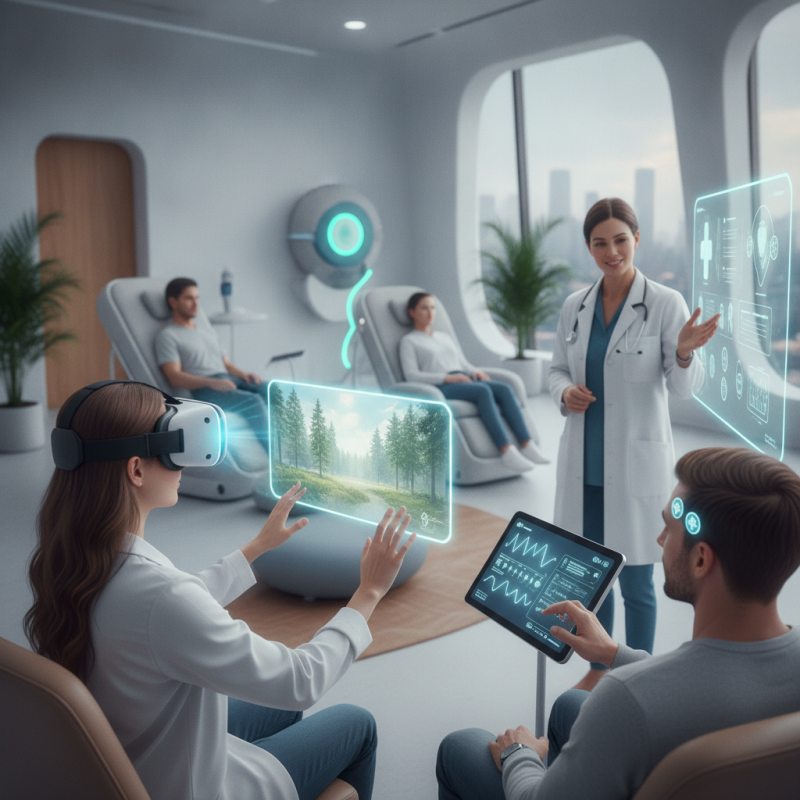
Today, patients seek more holistic and personalized treatments. Traditional medications are no longer the only option. Innovations like virtual reality therapy and neuromodulation techniques are gaining attention. These alternatives show promise in reducing dependence on opioids. Furthermore, the integration of technology in pain management is reshaping patient experiences.

Despite these advancements, reflection is necessary. Not every trend suits all patients. Some may find certain solutions uncomfortable or ineffective. It’s crucial to explore these options carefully. Listening to patients and their lived experiences can guide better choices. Awareness of what are the latest trends in pain relief solutions will empower patients. This knowledge offers hope and a path to enhanced well-being.
Top 10 Latest Trends in Pain Relief Solutions You Should Know?

Emerging Technologies in Pain Relief: Innovations to Watch

Emerging technologies in pain relief are transforming the landscape of how we manage discomfort. Innovative treatments are now available that were unimaginable a decade ago. According to a recent report from the Global Pain Relief Market, the industry is expected to reach $80 billion by 2026, driven by these advancements.

One significant trend is the development of wearable technology. Devices that monitor pain levels in real-time are gaining traction. These wearables provide immediate feedback, enabling users to adjust their activities accordingly. Virtual reality therapy is also making waves. It helps patients manage pain through immersive experiences, distracting them from their discomfort. Studies have shown that VR can reduce pain perception by up to 50%.

Another noteworthy innovation is the use of neuromodulation techniques. Electrical stimulation is being explored as a pain relief method. This technique involves sending small electrical pulses to specific nerves to interrupt pain signals. Research indicates that neuromodulation could significantly improve quality of life for chronic pain patients. Although these technologies hold promise, they still require extensive testing and refinement. The unpredictable nature of pain means that not all patients respond well to new solutions. This presents a challenge in finding the most effective treatments for diverse populations.

Top 10 Latest Trends in Pain Relief Solutions

Natural Remedies for Pain Management: Herbal and Holistic Approaches

The rise of natural remedies for pain management reflects a growing interest in holistic approaches. According to the National Center for Complementary and Integrative Health, about 40% of adults in the U.S. use some form of complementary and alternative medicine, with herbal therapies at the forefront. People are turning to natural solutions, seeking alternatives to pharmaceuticals. Herbal remedies like turmeric and ginger have shown promise in studies, suggesting potential anti-inflammatory properties.

Acupuncture is gaining traction as well. Research published in Pain Medicine indicates that acupuncture can effectively reduce chronic pain. Patients often report fewer side effects compared to conventional medications. However, not everyone responds to these natural treatments. Individual responses can vary greatly, necessitating a tailored approach. This highlights the need for more personal exploration in finding the right remedy.

One challenge is the lack of regulation in herbal supplements. Quality and potency can differ between products. A study by the American Botanical Council found that nearly 30% of herbal products contained contaminants or did not match their label claims. Consumers must approach these remedies with caution and seek reliable information. Balancing the benefits and risks is essential in any pain management strategy.

Digital Health Solutions: Mobile Apps and Wearable Devices for Pain Relief

Digital health solutions are revolutionizing pain relief. Mobile apps and wearable devices provide real-time monitoring and personalized feedback. Users can track their pain levels, medication usage, and triggers. This data helps in understanding their pain patterns better.

Wearable devices often employ sensors to monitor physiological signals. These devices can measure everything from heart rate to stress levels. With this data, users receive insights that can lead to better pain management strategies. Some wearables also offer guided breathing exercises or biofeedback techniques.

However, relying solely on technology can be limiting. Not all apps and devices are created equal. Some users may overestimate their effectiveness. Continuous data collection can lead to information overload. It’s essential for individuals to balance digital solutions with professional advice. Finding the right approach often requires trial and error. Pain management is a personal journey; what works for one person may not work for another.

Neuromodulation Techniques: TENS and Other Advanced Therapies

Neuromodulation techniques have gained attention in pain relief strategies. One notable method is Transcutaneous Electrical Nerve Stimulation (TENS). This involves placing electrodes on the skin to send electrical impulses. These impulses help block pain signals from reaching the brain. Research indicates that TENS can effectively reduce chronic pain for many individuals.

There are other advanced therapies that fall under neuromodulation. For instance, peripheral nerve stimulation uses implanted devices. These devices deliver electrical pulses. They target specific nerves that contribute to pain, demonstrating promising outcomes. Clinical studies report varying results, emphasizing the need for personalized approaches. It's essential to understand that not every technique works for everyone.

Exploration into these methods continues, driven by a need for effective pain management solutions. Users must engage with healthcare professionals to find the best approaches. Remember that outcomes may vary and require some trial and error. Embracing new ideas while remaining cautious can lead to better pain management experiences.

Top 10 Latest Trends in Pain Relief Solutions You Should Know

Trend Description Effectiveness Target Conditions Therapy Type
TENS Therapy Transcutaneous Electrical Nerve Stimulation uses low-voltage electrical current to relieve pain. Moderate Chronic pain, post-surgery pain, arthritis Neuromodulation
Bioelectronic Medicine Involves the use of electronic devices to alter bodily functions to reduce pain. High Autoimmune conditions, migraines Neuromodulation
Cryotherapy Using extreme cold to freeze and remove problematic tissues. Moderate Inflammation, sports injuries Physical Therapy
Acupuncture Traditional Chinese medicine technique that involves the insertion of thin needles into specific points. Moderate to High Chronic pain, stress Alternative Medicine
VR Therapy Virtual Reality techniques to distract patients from pain during treatment. Emerging Procedural pain, anxiety Psychological Intervention
Cannabinoid Therapy Using cannabis-derived products for pain relief and anti-inflammation. High Chronic pain, multiple sclerosis Phytotherapy
Platelet-Rich Plasma (PRP) Involves injecting platelets from the patient’s own blood to enhance healing. High Tendon injuries, osteoarthritis Regenerative Medicine
Transcranial Magnetic Stimulation (TMS) Uses magnetic fields to stimulate nerve cells in the brain to relieve pain. Emerging Chronic migraines, depression Neuromodulation
Mindfulness Meditation Mindfulness techniques to help alleviate chronic pain through mental focus. High Chronic pain, stress management Psychological Intervention
Functional Movement Therapy Focuses on functional movements to enhance mobility and reduce pain. Moderate Rehabilitation, chronic pain Physical Therapy

Personalized Pain Management: Genetic and Lifestyle Considerations

Personalized pain management is becoming increasingly vital in modern healthcare. Understanding genetic factors that influence pain perception can help tailor treatment plans. Individual responses to medications can vary greatly. For example, some may metabolize drugs faster, leading to reduced effectiveness. Others might face increased side effects. Identifying these genetic markers can guide physicians in selecting the right medications.

Lifestyle factors also play a significant role in pain management. Regular exercise, nutrition, and mental health impact pain levels. A person with chronic pain may find relief through yoga, mindfulness, or dietary changes. Not every approach works for everyone. Some might struggle with implementing lifestyle changes, and the journey can be frustrating. It’s essential to remain open to new strategies while monitoring their effectiveness.

Integrating genetic insights with lifestyle adjustments holds promise for improved outcomes. However, the reality is that not all patients will benefit equally. Continuous exploration and adaptation are necessary. Pain management is a complex puzzle, and understanding one’s unique profile is crucial in finding the right fit.

FAQS

: What are some natural remedies for pain management?

: Herbal therapies, such as turmeric and ginger, are popular. They may have anti-inflammatory properties.

How effective is acupuncture for chronic pain?

Acupuncture can reduce chronic pain. Many patients report fewer side effects than traditional medications.

Why should consumers be cautious with herbal supplements?

Quality and potency can vary. Nearly 30% of herbal products may contain contaminants or mislabeling.

What is TENS and how does it work?

TENS uses electrodes on the skin to deliver electrical impulses. These impulses help block pain signals.

Are neuromodulation techniques suitable for everyone?

No, not every technique works for all. Responses can differ significantly among individuals.

What role do genetics play in pain management?

Genetic factors can influence how individuals respond to medications. It’s important for personalized treatment.

How can lifestyle changes affect pain management?

Regular exercise, nutrition, and mental health can improve pain levels. However, lifestyle changes can be challenging.

Can herbal remedies completely replace conventional medicine?

Many seek natural options, but not all treatments work for everyone. A balanced approach is often necessary.

Is trial and error common in finding effective pain management?

Yes, finding the right approach often requires exploring various options and adapting over time.

What is the importance of a personalized approach in pain management?

Pain management is complex. Tailored strategies can lead to better outcomes for individuals facing chronic pain.

Conclusion

In the quest for effective pain relief, understanding what are the latest trends in pain relief solutions is essential. Emerging technologies are leading the way, introducing innovative therapies that enhance traditional methods. From neuromodulation techniques like Transcutaneous Electrical Nerve Stimulation (TENS) to breakthroughs in digital health solutions via mobile apps and wearable devices, patients are increasingly empowered to manage their pain in personalized and interactive ways.

Additionally, natural remedies are gaining recognition, emphasizing herbal and holistic approaches that align with patient preferences for non-pharmaceutical interventions. The focus on personalized pain management that considers genetic and lifestyle factors is changing how treatment plans are tailored. This combination of advancements signals a promising era in pain management, offering diverse and effective options for those suffering from chronic discomfort.

Sophia

Sophia

Sophia is a dedicated marketing professional with an exceptional depth of knowledge about her company's products and services. With a keen understanding of market trends and customer needs, she crafts insightful blog posts that not only inform but also engage readers, enriching the company’s online......