Portable heat therapy brings controlled warmth closer to everyday life: a reusable wrap can sit against the lower back during a quiet break, while a compact pad may travel in a work bag. The practical question is simple: what are the advantages of portable heat therapy? For people managing occasional muscle tension or back discomfort, access and ease of use may matter as much as the device itself.
The need is substantial. The World Health Organization’s 2023 low back pain fact sheet reports that 619 million people experienced low back pain in 2020, making it the leading cause of disability worldwide. Portable heat does not address every cause of pain. It can, however, offer a convenient option for temporary comfort without requiring a trip to a clinic. Small difference. Real-life value.
Evidence should stay in view. A Cochrane review of superficial heat and cold for low back pain found that heat-wrap therapy may provide modest, short-term relief for acute or subacute symptoms. The review also noted limits in the available evidence, so results should not be promised to everyone. Warmth may ease stiffness, but excessive heat or prolonged use can irritate skin. Follow the product instructions, check the skin regularly, and seek professional advice for persistent or severe pain. Convenience is helpful; it is not proof of a cure. There is still a gap between promising evidence and what any one person feels at home.
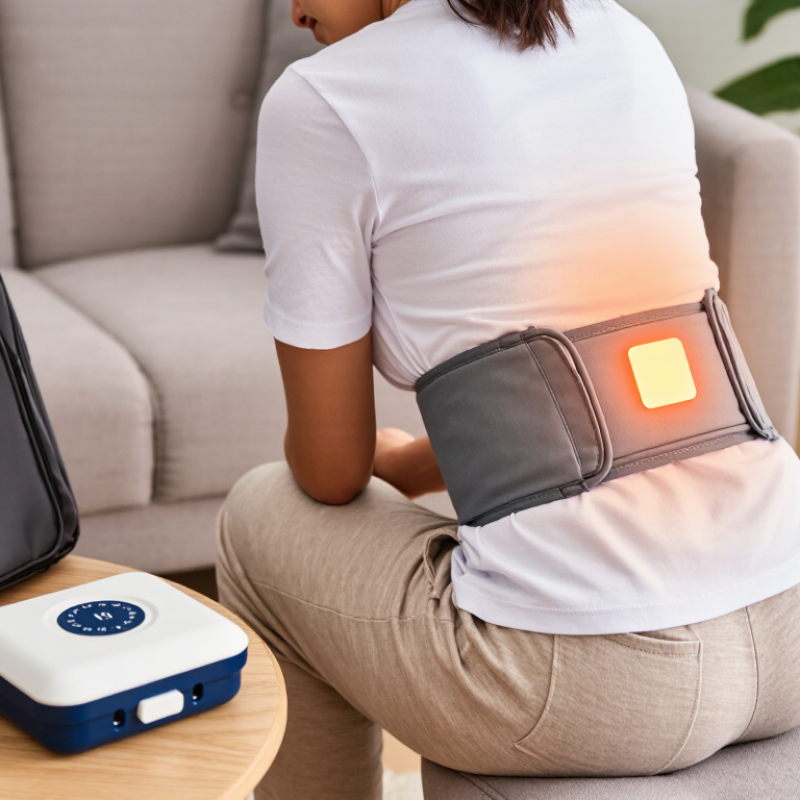
Portable heat therapy warms a targeted area through a wearable wrap, heating pad, or similar device. Heat moves from the surface into nearby skin and soft tissue. This can temporarily increase local blood flow and help ease the feeling of stiffness. The warmth may also make tense muscles feel more comfortable, especially after sitting at a desk or finishing light activity. It does not fix every cause of pain. Effects vary with the person, the device, and how long it is used. The mechanism sounds simple, but results are not perfectly predictable.
Portable heat therapy can make muscle aches and joint stiffness easier to manage during everyday routines. A warm wrap across the shoulders may loosen that tight feeling after desk work, while a heat pad around the knees can bring comfort on a chilly morning. Choose a gentle setting and place a layer of fabric between the heat source and your skin. Warmth should feel soothing, never sharp or burning. Small comforts matter.
Heat may help muscles relax and make movement feel less restricted, but it does not fix every cause of pain. Try a short session, around 15 to 20 minutes, or follow the device instructions. Then stand, stretch gently, and notice how your body responds. The change can be subtle. That still counts.
Portable devices are convenient, but they need careful use. Avoid falling asleep with one switched on, and check your skin regularly. If you have reduced skin sensation or circulation problems, ask a health professional before using heat. For a recent injury with swelling, heat may not be suitable. I sometimes expect warmth to do more than it can; steady, comfortable relief is a more realistic goal.
Portable heat therapy can ease the feeling of tight muscles after desk work, travel, or a demanding workout. Gentle warmth may help muscles relax, making everyday movements feel less restricted. Think of turning your neck to check traffic or bending to tie a shoe. Small motions matter.
A portable wrap or pad can bring warmth to a sore area while you sit and rest. Keep the temperature comfortable, follow the device instructions, and check your skin regularly. More heat is not better. Stop if your skin feels irritated or numb. People with reduced sensation or circulation problems should ask a health professional before using heat.
For mobility, pair warmth with slow, easy movement rather than forcing a deep stretch. Try a few shoulder rolls or gentle ankle circles while the area feels warm. Let comfort guide you. Results vary, and heat may soothe stiffness without fixing its cause. Some days, the change is subtle; honestly, that can feel disappointing. If pain is severe, persistent, or follows an injury, seek medical advice instead of relying on heat alone.
A warm pack may temporarily ease muscle stiffness and help make comfortable movement easier. This chart shows a commonly used session-duration range, not a measured clinical effect.
Typical session: 15–20 minutes. Use a comfortable temperature, follow the device instructions, and avoid applying heat directly to bare skin.
Portable heat therapy can make gentle warmth easier to fit into an ordinary day. At home, a wrap can sit over a stiff shoulder while you read or answer emails. Away from home, a compact heating pad may fit in a work bag for a break between errands. The benefit is flexibility: you can place warmth near a specific area without rearranging your whole routine. Keep expectations practical. Heat may feel soothing, but it does not address every cause of discomfort.
Tips: Choose a comfortable, moderate setting and follow the device instructions. Place a layer of fabric between the heat source and your skin if advised. Check your skin regularly, and avoid using heat while asleep. If you have reduced skin sensation or circulation problems, ask a healthcare professional before use.
Portability has a trade-off. A small pad may warm only one spot, and its battery may not last through a long outing. It can be tempting to turn the heat up when comfort takes time, but hotter is not necessarily better. Stop if your skin becomes very red, numb, or uncomfortable. For persistent or worsening pain, seek professional advice rather than relying on heat alone.
| Benefit | What it can offer | Why portability helps | Practical consideration |
|---|---|---|---|
| Targeted comfort | A heat pack or wearable warmer can deliver warmth to a specific area, such as the lower back, shoulders, or hands. | Compact designs are easier to position where comfort is needed, whether at home or while traveling. | Choose a size and shape suited to the area, and follow the device’s placement instructions. |
| Temporary relief of muscle stiffness | Warmth may help relax tight muscles and ease temporary stiffness for some people. | A portable option makes it easier to use warmth during a break or as part of a home relaxation routine. | Heat is not appropriate for every injury or condition; seek medical advice if symptoms are severe, new, or persistent. |
| Convenience across settings | Portable products can provide a familiar source of warmth without requiring a fixed heating pad setup. | Depending on the product, options may include rechargeable, plug-in, or single-use designs. | Check power requirements, battery life, charging access, and travel rules before taking an electronic warmer on a trip. |
| Easy to fit into a routine | A simple heat session can be incorporated into a rest or wind-down routine. | Lightweight products can be stored nearby or packed when away from home. | Use only for the duration and at the temperature specified in the product instructions. |
| More choice in heat delivery | Portable formats range from reusable packs to adjustable electronic wraps, offering different ways to apply warmth. | Users can select a format based on where and how they expect to use it. | Review care, cleaning, and replacement guidance; stop use if the product is damaged or overheats. |
| Safety-aware comfort | Following safe-use guidance helps reduce the risk of skin irritation or burns. | Portable use makes it especially important to choose a comfortable setting and check the skin regularly. | Avoid using heat while asleep. Use extra caution, or ask a healthcare professional first, if sensation or circulation is reduced. |
Note: Portable heat therapy may provide temporary comfort, but it does not diagnose or treat the underlying cause of pain. Follow the product instructions and seek professional advice when appropriate.
Portable heat therapy can make recovery feel easier to fit into an ordinary day. A compact heat wrap may rest across stiff shoulders after desk work, or warm the lower back while you sit quietly after a walk. Gentle warmth can help muscles feel more relaxed and make a few minutes of rest easier to enjoy. Small moments matter.
Use heat at a comfortable level, and follow the device’s instructions for timing and placement. A warm, not hot, setting is usually more comfortable for routine relaxation. Keep it gentle. Check your skin periodically, and avoid using heat while asleep. If you have reduced sensation, a skin condition, or persistent pain, ask a health professional whether heat is suitable for you. It may bring comfort, but it does not treat every cause of soreness.
Portability is useful when a full bath or long break is not realistic. You might warm a wrap before stretching lightly, then take it off and notice how your body responds. Some days, the relief may be modest. That is worth acknowledging; heat is not a guaranteed shortcut to recovery. Still, a simple, repeatable routine can offer a calmer pause between errands, workouts, or long hours at a screen.
Gentle warmth may ease the feeling of tight muscles after desk work, travel, or exercise. It may make small movements feel less restricted.
Place a wrap or pad near the stiff area while sitting or resting. Keep the setting comfortable. More heat is not better.
Yes, try slow shoulder rolls or gentle ankle circles. Do not force a deep stretch. Let comfort guide you.
A compact pad may fit in a work bag for a break between errands. It can warm one specific spot, though coverage may be limited.
Follow the device instructions and check your skin regularly. Avoid using heat while asleep. Stop if your skin becomes irritated, numb, very red, or uncomfortable.
People with reduced skin sensation or circulation problems should ask first. Heat may be harder to judge safely.
No. It may soothe stiffness, but it does not address every cause of discomfort. Results vary, and some days the change is subtle.
Seek advice for severe, persistent, worsening, or injury-related pain. A small pad cannot tell you what caused it. That part is easy to overlook.
Portable heat therapy provides gentle warmth that can help ease muscle aches and joint stiffness. By warming the treated area, it may encourage circulation and help tense muscles feel more relaxed. This can make everyday movement more comfortable and support mobility, especially after periods of activity or sitting still. The level of comfort varies from person to person, so heat should be used at a pleasant temperature and according to the device’s instructions.
So, what are the advantages of portable heat therapy? Its compact, convenient design makes targeted warmth easy to enjoy at home, at work, or while traveling. It can become a practical part of a recovery routine after ordinary physical activity, or simply offer a soothing way to unwind. Portable heat therapy does not replace professional care, but its accessibility and focused comfort can make relaxation and everyday self-care easier to fit into a busy routine.

Syrup Medical