Improve Comfort During Long Working Hours in China Best Typestyle?

Time:2026-06-01 Author:Charlotte
0%

In today's fast-paced work environment, many professionals face the challenge of long hours at their desks. According to Dr. Emily Chen, an ergonomics expert at the National Institute for Workplace Comfort, "Creating a conducive workspace is vital for maintaining health and productivity." Her insights are crucial when discussing how to improve comfort during long working hours.

The right typestyle can greatly influence comfort levels. Choosing fonts that are easy on the eyes can reduce strain. Many workers overlook this aspect, yet it plays a significant role in the overall work experience. It's not just about aesthetics; readability is key. Poor choices can lead to discomfort and decreased focus.

Moreover, companies must consider ergonomic furniture and lighting. These adjustments can help alleviate tension and promote a better working posture. However, many workplaces still stick to outdated setups. Reflecting on these choices can lead to better health outcomes. Ultimately, a few thoughtful changes can markedly enhance comfort during long working hours. The question remains: Are we doing enough?
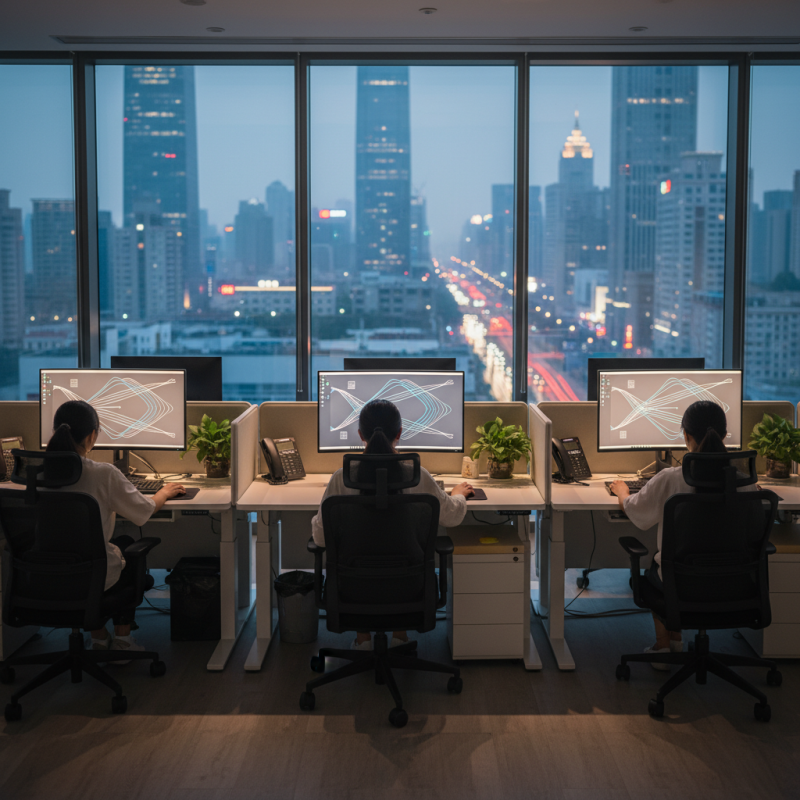
Improve Comfort During Long Working Hours in China Best Typestyle?

Understanding the Importance of Comfort in Long Working Hours

Long working hours can take a toll on both physical and mental well-being. Data from the International Labour Organization (ILO) indicates that more than 40% of workers in China experience symptoms of chronic fatigue. This alarming figure highlights the urgent need for improved comfort in work environments. Ergonomics plays a crucial role here. Studies show that appropriate workspace design can reduce discomfort by up to 60%.

Proper seating, adjustable desks, and sufficient lighting are essential. Research conducted by the National Institute for Occupational Safety and Health suggests that office workers who sit for extended periods are prone to musculoskeletal disorders. Implementing standing desks or flexible seating arrangements can significantly enhance comfort. A report from the World Health Organization notes that simple changes in the workspace can lead to increased productivity levels, sometimes by as much as 25%.

Body mechanics are also vital for comfort in long hours. Employees should be aware of their posture. Continuous reminders about sitting habits can foster a more attentive work culture. With a reported increase in work-related stress, companies must be proactive in finding effective solutions that prioritize employee comfort. An investment in ergonomic training might be beneficial. Addressing these issues can create a healthier and more enjoyable work environment.

Identifying Key Factors that Affect Workplace Comfort

Workplace comfort significantly impacts productivity and well-being. In China, long working hours are common, yet many still struggle with physical discomfort. Ergonomic furniture can play a key role, but it’s not solely about chair height or desk size. Personal space matters. A cluttered area can lead to stress and distraction. Simple adjustments, like proper lighting and ventilation, can improve comfort.

Noise levels are another factor. Open office plans can foster collaboration but may compromise focus. Employees often feel overwhelmed by constant conversations. Soundproofing solutions or designated quiet zones can help. Additionally, breaks are crucial. Many forget to step away from their screens, leading to fatigue. Frequent breaks rejuvenate the mind and body.

One key aspect is the awareness of individual needs. Not everyone experiences comfort in the same way. Seeking feedback can help identify common issues. Regular surveys can provide insights into the factors employees value. Employers must be open to making changes based on this feedback. Comfort is an ongoing journey, not a one-time fix.

Improve Comfort During Long Working Hours in China Best Typestyle? - Identifying Key Factors that Affect Workplace Comfort

Factor Importance Rating (1-10) Comments
Ergonomic Furniture 9 Essential for reducing physical strain.
Lighting 8 Natural light improves mood and productivity.
Air Quality 9 Good ventilation and clean air are crucial.
Noise Levels 7 Excess noise can cause distractions and stress.
Break Areas 8 Comfortable spaces encourage relaxation and recharging.
Work-Life Balance 10 Vital for long-term employee satisfaction and health.

Choosing the Right Ergonomic Furniture and Equipment

When working long hours, comfort is essential. The right ergonomic furniture can make a significant difference. A quality chair provides support for your back and promotes healthy posture. Look for adjustable features. This allows customization for different body types.

Desks are equally important. A sit-stand desk encourages movement and reduces fatigue. Alternate between sitting and standing every hour. This simple change can boost energy levels and improve focus.

Don’t overlook accessories like keyboard trays and monitor stands. They help maintain proper alignment. A messy workspace can also affect comfort. Keep items organized to reduce stress. Ergonomic solutions require investment, but they promote health in the long run. Reflect on your current setup to identify areas for improvement.

The Role of Lighting and Environment in Enhancing Comfort

In a bustling city, long working hours can strain our bodies and minds. One key element that often gets overlooked is lighting. Proper lighting can significantly enhance comfort. Soft, warm hues reduce glare and eye strain. Natural light, where possible, is even better. It syncs our circadian rhythms, boosting mood and focus. It is vital to adjust the light intensity throughout the day to create a more dynamic workspace.

The environment also plays a crucial role. A clutter-free workspace promotes clarity and reduces distractions. Plants can enhance air quality and provide a calming effect. The temperature should be kept at a comfortable level, avoiding extremes. However, not everyone can control their surroundings. This inconsistency may lead to discomfort and fatigue. Engaging with colleagues about optimizing the workspace can foster a supportive atmosphere. However, not everyone responds positively to change, which can hinder progress.

Thoughtful design choices can create an inviting workspace. Incorporating personal items or artwork may increase comfort. This personalization can enhance the sense of ownership. However, what works for one person may not for another. Continuous reflection on our environment can help pinpoint discomfort areas. A comfortable workspace is a journey, not a destination.

Implementing Breaks and Stretching Techniques for Better Well-Being

Long working hours can lead to physical discomfort and mental fatigue. It’s important to implement regular breaks to help combat these effects. Studies suggest that short breaks every hour can rejuvenate not only the body but also the mind. Stand up, stretch, or walk around for a few minutes to increase blood circulation. This simple act can relieve tension and improve focus significantly.

Incorporating stretching techniques into your work routine also offers great benefits. Neck rolls, wrist stretches, and back bends can be done discreetly. These movements help prevent injuries associated with prolonged sitting. A few minutes of stretching can be a quick reset for those long hours. Yet, many people often forget to take these breaks. It’s easy to become engrossed in tasks, leading to discomfort. Reflecting on your work habits is necessary.

Creating a workspace that promotes movement can also be helpful. Consider arranging your desk to encourage standing or stretching. Use reminders to take breaks. This can be a simple alarm on your phone. Small changes can make a big difference. A culture of prioritizing well-being at work is crucial. Acknowledging the need for breaks and stretch routines can enhance productivity and comfort, leading to a healthier work life.

FAQS

: Why is workplace comfort important?

: Workplace comfort affects productivity and well-being. Discomfort can lead to stress and reduced focus.

What factors influence workplace comfort?

Key factors include ergonomic furniture, personal space, noise levels, and proper lighting and ventilation.

How does ergonomic furniture help?

Ergonomic furniture supports your body and promotes better posture. Look for adjustable features to fit your needs.

What should I do about noise in an open office?

Consider soundproofing solutions or creating quiet zones. This can help employees concentrate and ease distractions.

How often should I take breaks while working?

It’s best to take breaks every hour. Short breaks can refresh your mind and body, reducing mental fatigue.

What are some effective stretching techniques?

Simple stretches like neck rolls and wrist stretches can be done at your desk. These movements help prevent injuries.

How can I create a comfortable workspace?

Keep your workspace organized and decluttered. Arrange furniture to encourage movement and use reminders to take breaks.

What role does feedback play in workplace comfort?

Seeking feedback helps identify common discomfort issues. Regular surveys can guide improvements tailored to employees' needs.

Why do people struggle to take breaks?

Many forget to step away due to engrossing tasks. Reflect on your habits to make necessary changes for better comfort.

Is ergonomic furniture a one-time solution?

No, comfort is an ongoing journey. Always re-evaluate your setup and make adjustments as needed for long-term well-being.

Conclusion

In today’s fast-paced work environment, understanding how to improve comfort during long working hours is essential for maintaining productivity and well-being. Comfort in the workplace hinges on several key factors, including ergonomic furniture and equipment that support proper posture. It is also crucial to create a suitable lighting and environmental setup that enhances focus while reducing eye strain and fatigue.

Additionally, integrating regular breaks and stretching techniques into the workday can significantly contribute to overall comfort. These practices not only alleviate physical discomfort but also promote mental health, allowing employees to recharge and maintain their efficiency. By prioritizing these elements, workplaces in China can foster a healthier and more productive atmosphere for their employees.

Charlotte

Charlotte

Charlotte is a seasoned marketing professional with a deep understanding of the company's portfolio and a passion for elevating its presence in the market. With a keen eye for detail and a commitment to excellence, she ensures that our professional blog is regularly updated with insightful articles......