Menstrual discomfort affects a significant number of individuals, with studies showing that up to 80% experience symptoms such as cramps and other pains. Women often seek natural remedies to alleviate these symptoms, and heat therapy stands out as an effective option. So, why is heat therapy effective for menstrual discomfort? Research indicates that applying heat can increase blood flow. This, in turn, helps relax the uterine muscles and reduces painful contractions.
The American College of Obstetricians and Gynecologists notes that thermal therapy significantly improves pain management for those suffering from dysmenorrhea. Studies suggest that heat can be as effective as over-the-counter medications. For many, a heating pad or hot water bottle provides instant relief. This approach is not only accessible but also inexpensive compared to pharmaceuticals. However, it is essential to consider individual differences. While heat therapy works well for many, some may not find the same level of relief.
Healthcare professionals often recommend combining heat therapy with other strategies for optimal results. Gentle exercise and dietary changes can enhance the benefits of heat. Nonetheless, personal experiences with heat therapy can vary. Each individual’s response to heat may differ, and some may need to explore additional methods to manage their symptoms effectively. Understanding these nuances is crucial in tailoring approaches to menstrual discomfort relief.
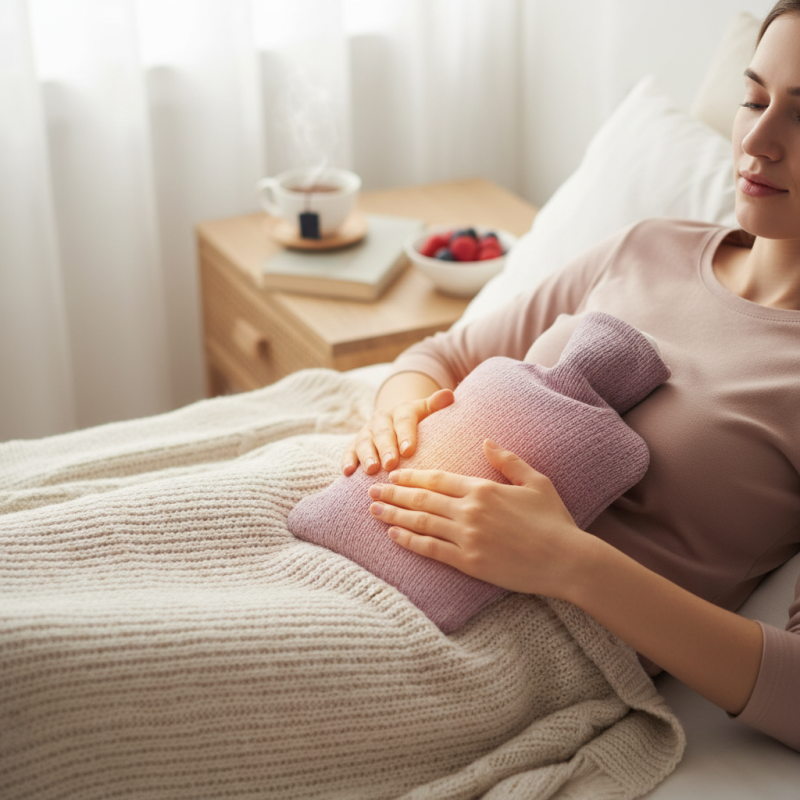
Menstrual discomfort, often termed dysmenorrhea, affects many individuals. It typically manifests as cramps in the lower abdomen and can also lead to back pain, fatigue, and mood swings. According to a study published in "Pain," about 50-90% of menstruating people experience some form of pain during their periods. This discomfort can significantly impact daily activities and overall well-being.
Common symptoms include intense cramping, headaches, and digestive issues. Some individuals report nausea and trouble sleeping. Research indicates that the severity of these symptoms varies widely. A report from the American College of Obstetricians and Gynecologists highlights that factors like stress, lifestyle, and underlying health conditions can exacerbate menstrual pain. Surprisingly, not everyone seeks medical help for their symptoms. Many rely on home remedies, including heat therapy, to alleviate discomfort.
Heat therapy, such as using heating pads or hot water bottles, has been shown to ease cramping. The heat increases blood flow, providing relief to sore muscles. However, while this method is popular, some studies suggest heat may not work for everyone. The effectiveness can depend on personal pain threshold and other factors. Understanding these symptoms and their management options is essential for better menstrual health and overall quality of life.
: Menstrual discomfort, known as dysmenorrhea, causes cramps, back pain, fatigue, and mood swings during periods.
Research suggests that 50-90% of menstruating individuals experience pain during their menstrual cycles.
Symptoms include cramping, headaches, digestive issues, nausea, and trouble sleeping.
Heat therapy relaxes muscles, increases blood flow, and stimulates endorphin release, providing relief.
Yes, applying heat for too long can cause burns. It may also not work for everyone.
Use a comfortable heating pad, apply it directly to the abdomen, and consider a warm bath for relaxation.
Heat therapy is a natural alternative that doesn't require medical expertise, unlike some over-the-counter pain relief methods.
Yes, herbal teas and dietary adjustments can assist, but they may take longer to show results than heat therapy.
Many people rely on home remedies and do not consider their symptoms severe enough to seek medical assistance.
It's important to listen to your body and adjust the temperature and duration to ensure comfort and safety.
Heat therapy has been shown to be an effective method for relieving menstrual discomfort, and understanding why is heat therapy effective for menstrual discomfort involves exploring its underlying mechanisms. Menstrual cramps are often caused by contractions of the uterus, leading to muscle tension and pain. Heat therapy helps to reduce this muscle tension by enhancing blood flow to the area, providing soothing relief.
Furthermore, the warmth generated by heat therapy stimulates the release of endorphins, the body's natural painkillers, which can further alleviate discomfort. Compared to other methods of pain relief, such as over-the-counter medications or herbal remedies, heat therapy is not only accessible and natural but also offers immediate comfort. The combination of these factors contributes to the widespread use and effectiveness of heat therapy in managing menstrual pain and improving overall well-being during this time.

 Syrup Medical