Choosing the right heat therapy solution can be challenging. With so many options available, it's essential to understand which method suits your needs best. According to Dr. Emily Harper, a renowned physical therapist, "Identifying the right heat therapy option is crucial for effective pain relief." This wisdom highlights the importance of informed choices in heat therapy.
When looking into heat therapies, consider factors such as injury type and individual preferences. Heating pads, hot water bottles, and heated wraps each offer unique benefits. They can soothe sore muscles and promote blood flow. However, not all solutions work for every situation, and one size definitely does not fit all.
As you explore how to choose the right heat therapy solution, think about your lifestyle and comfort levels. Some people may prefer moist heat, while others might opt for dry heat. Experimenting with these options can help you find what alleviates your discomfort best. Be open to adjusting your choices based on your experiences, as the perfect solution may not be immediately clear.
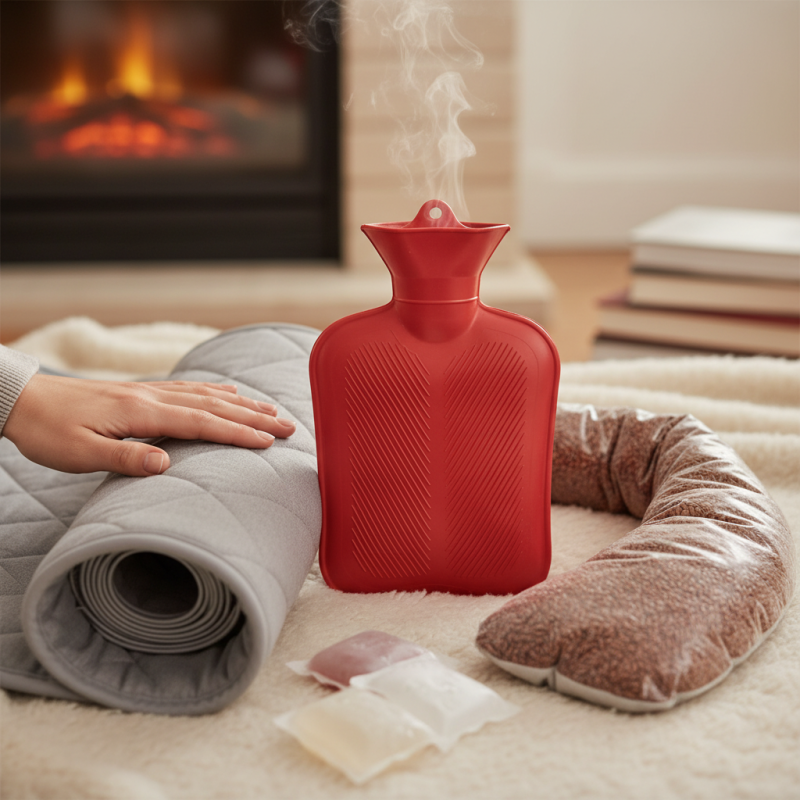
Understanding Heat Therapy: Definition and Mechanisms of Action
Heat therapy is a widely accepted treatment for various ailments. It involves using warmth to alleviate pain and promote healing. Heat therapy works through its mechanisms, such as increasing blood flow and improving tissue elasticity. According to the National Institutes of Health, applying heat can reduce muscle spasms and enhance recovery from injuries.
Research shows that heat therapy can significantly improve outcomes for conditions like arthritis and lower back pain. A study published in the Journal of Physical Therapy found that heat application before stretching increased flexibility by nearly 25%. This highlights the importance of choosing the right heat therapy method for your needs.
Tips: Consider your specific condition when selecting a heat therapy solution. For chronic pain, long-lasting heat patches may be beneficial. For acute injuries, a warm compress can offer immediate relief. Remember to listen to your body. If discomfort increases, reevaluate your approach. Heat therapy should feel soothing, not aggravating.
Understanding these mechanisms and potential outcomes can guide your choice. Heat therapy offers numerous benefits, but personal experiences will vary. Regular adjustments based on your symptoms can enhance effectiveness.
Types of Heat Therapy Solutions: Comparison of Treatments and Their Uses
Heat therapy is a popular way to manage pain and enhance recovery. Various solutions cater to different needs. Understanding the types can help individuals choose the best option.
There are three main categories: dry heat, moist heat, and infrared heat. Dry heat includes heating pads and electric blankets. It works well for muscle tension but can cause skin irritation. Moist heat, such as hot packs and steam therapy, is often more effective for deeper tissue penetration. Studies show that moist heat can improve blood circulation more efficiently than dry heat. Infrared heat, on the other hand, uses light to provide heat. It penetrates the skin deeply, promoting healing at the cellular level.
A significant number of individuals report improved mobility and decreased pain after using heat therapy. For instance, a clinical study indicated that over 70% of participants experienced relief from chronic pain after consistent use of moist heat. Despite these benefits, one must be cautious. Overuse can lead to skin burns or worsen inflammation. Therefore, evaluating individual conditions and consulting with a healthcare professional is crucial.
Comparison of Heat Therapy Solutions
This chart compares the effectiveness of various heat therapy solutions on a scale from 1 to 10, helping you to choose the best option for your needs.
Evaluating Effectiveness: Clinical Studies on Heat Therapy Outcomes
In recent years, clinical studies have shed light on the effectiveness of heat therapy for various conditions. Research indicates that applying heat can significantly reduce pain levels. A study published in the Journal of Pain Research found that over 70% of participants reported reduced pain after heat application. This supports the growing interest in heat therapy as a complementary treatment for chronic pain management.
When considering heat therapy solutions, evaluating specific outcomes is crucial. For instance, a meta-analysis in the journal Pain Medicine highlighted that localized heat therapy improved muscle recovery and reduced soreness in athletes. However, results can vary based on the type and duration of heat applied. It's essential to tailor the approach to individual needs for optimal results.
Tips: Always assess the area needing treatment before deciding on the intensity of heat. For effective relief, consider using heat for 15-20 minutes per session. Listen to your body—if discomfort arises, discontinue use. Adapting heat therapy to your personal comfort level can enhance your experience.
Safety Considerations: Risks and Precautions in Heat Therapy Usage
When considering heat therapy, prioritize safety. It can be effective but may pose risks without proper precautions. Heat can cause burns or exacerbate certain medical conditions. Always check with a healthcare professional before beginning treatment. Certain users, like those with diabetes, need extra caution.
Tips: Always test the temperature before applying heat to avoid burns. Use a cloth barrier to protect your skin. Limit therapy time to 15-20 minutes.
Stay aware of your body’s signals. If you feel discomfort, stop immediately. Overheating can lead to dehydration or worsened inflammation. Avoid using heat therapy on open wounds or recent injuries.
Tips: Keep water nearby to stay hydrated. Monitor your skin for any changes during therapy. Adjust the heating method based on your comfort level. Remember, methods like hot water bottles or heating pads can vary in effectiveness.
Personalizing Your Experience: Factors Influencing Heat Therapy Selection
When choosing a heat therapy solution, consider personal factors that influence your experience. Factors such as the area of pain, level of discomfort, and personal preferences play a crucial role. According to the “Journal of Pain Research,” heat therapy can be particularly effective for muscle spasms and chronic pain. Understanding the specifics of your condition can guide you in selecting the right method.
Temperature settings matter. Research shows that a range of 104°F to 113°F is typically effective for muscle relaxation. However, personal tolerance varies widely. Some may find higher temperatures uncomfortable. Start at a lower setting. Adjust as needed, based on your comfort level.
Remember to assess your environment. Availability of time, ease of use, and portability are important. For example, a heated wrap might be ideal for home use, while portable heat packs suit those on the go. Finding the right fit for your lifestyle ensures consistent and effective relief.
Tips: Always consult a health professional if you're unsure about heat therapy’s suitability for your condition. Be mindful of overheating, as excessive heat can lead to skin irritation or burns. Listening to your body is essential in your healing journey.
How to Choose the Best Heat Therapy Solution for Your Needs?
| Heat Therapy Type |
Temperature Range (°C) |
Duration of Use |
Target Area |
Best For |
| Heating Pads |
40 - 60 |
20-30 minutes |
Back, Neck, Shoulders |
Muscle Pain Relief |
| Infrared Heat Lamps |
45 - 65 |
10-15 minutes |
Skin, Joints |
Joint Pain and Skin Conditions |
| Hot Water Bottles |
50 - 70 |
15-30 minutes |
Abdomen, Feet |
Menstrual Cramps and Cold Feet |
| Heat Wraps |
37 - 60 |
20-40 minutes |
Back, Knees |
Localized Pain Relief |
| Sauna |
60 - 90 |
15-30 minutes |
Whole Body |
Detoxification and Relaxation |
Conclusion
Choosing the best heat therapy solution for your needs involves understanding the definition and mechanisms of heat therapy, along with the different types of treatments available. Each method varies in application and effectiveness, making it crucial to compare them based on your specific conditions and preferences. Evaluating clinical studies can provide insights into the effectiveness of various heat therapy outcomes, aiding in informed decisions.
Safety is another pivotal aspect; recognizing the potential risks and precautions associated with heat therapy can prevent complications during treatment. Finally, personalizing your experience by considering factors such as your individual health status and therapy goals is essential. In summary, knowing how to choose the right heat therapy solution requires examining these key elements to ensure optimal benefits and safety.

 Syrup Medical