7 Best Ways to Reduce Neck and Shoulder Tension Effectively?

Time:2026-05-22 Author:Sophia
0%

In today’s fast-paced world, neck and shoulder tension has become a common issue for many. According to Dr. Sarah Lin, an expert in physical therapy, "Finding effective ways to relieve tension can transform daily life." Understanding how to reduce neck and shoulder tension effectively is essential for improving both physical and mental well-being.

Many people overlook the impact of poor posture or prolonged screen time. These factors can lead to stiffness and discomfort. Simple changes in daily habits can make a significant difference. Regular stretching and conscious adjustments to sitting positions can relieve built-up tension.

Moreover, the journey to reducing tension is not always straightforward. It requires commitment and periodic assessment of one's habits. Encouragingly, incorporating relaxation techniques can also play a vital role. The key lies in discovering which methods resonate personally. Everyone’s body responds differently, and what works for one might not work for another. Embracing this understanding is the first step toward effective relief.
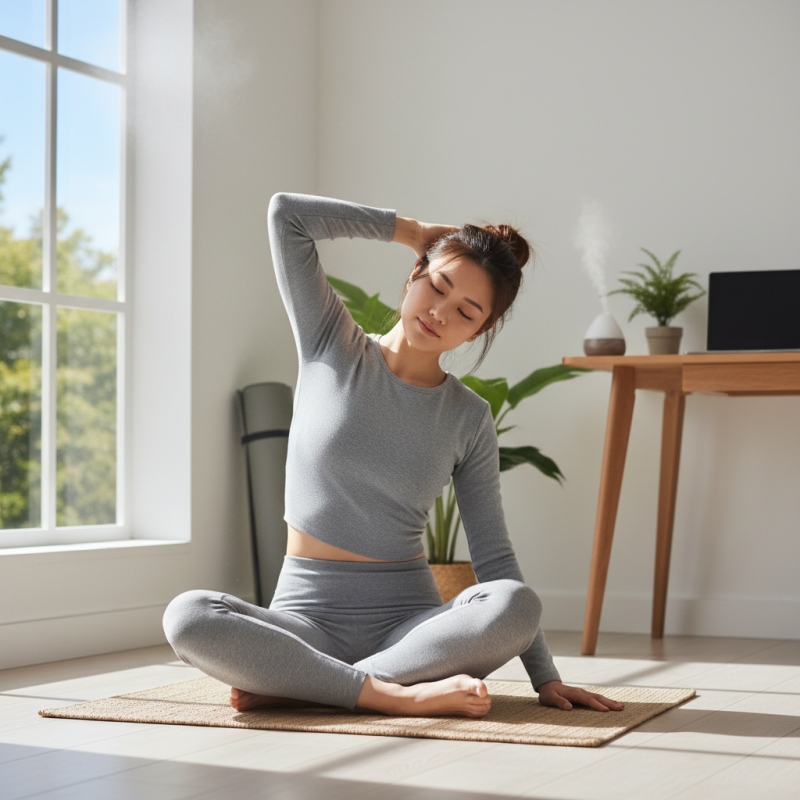
7 Best Ways to Reduce Neck and Shoulder Tension Effectively?

Understanding Neck and Shoulder Tension: Causes and Prevalence

Neck and shoulder tension affects a significant portion of the population. Studies indicate that up to 70% of adults experience discomfort in these areas at some point. Common causes include poor posture, stress, and prolonged screen time. Workers who sit for extended periods are particularly susceptible. The discomfort can lead to reduced productivity and a lower quality of life.

The prevalence of neck and shoulder pain is alarming. The World Health Organization reports that musculoskeletal disorders are a leading cause of disability worldwide. Our lifestyle habits often exacerbate the issue. Individuals tend to overlook the importance of ergonomics and their impact on body mechanics. Many only seek relief after symptoms become unbearable, reflecting a broader disconnect between awareness and proactive care.

Research also shows that stress significantly contributes to muscle tension. The American Psychological Association found that 77% of people experience physical symptoms caused by stress. Unmanaged stress leads to tight muscles, particularly in the neck and shoulders. Cultivating awareness around these habits can help mitigate discomfort. Understanding the root causes is critical in addressing tension effectively.

The Role of Proper Posture in Alleviating Muscle Strain

Proper posture plays a crucial role in reducing neck and shoulder tension. Many people spend hours hunched over screens. This position can lead to muscle strain and discomfort. Sitting or standing with an aligned spine can relieve pressure on the neck and shoulders. A neutral spine helps distribute weight evenly, decreasing stress on muscle groups.

Being aware of your posture throughout the day is vital. Consider using ergonomic furniture and adjusting your workspace. Regularly check in with yourself to see how you’re holding your body. Minor adjustments, like sitting up straight or rolling your shoulders back, can make a significant difference. Make it a habit to take breaks and stretch. Even small movements can alleviate tension and promote overall well-being.

However, it's easy to forget about posture amid daily tasks. Acknowledge this challenge and reflect on your habits. Many people underestimate the power of a strong, stable posture. Identifying the signs of muscle fatigue in your body can serve as a reminder. Strive for improvement, and don't dwell on imperfections. Each step toward better posture contributes to less strain and improved relaxation.

7 Best Ways to Reduce Neck and Shoulder Tension Effectively

Method Description Benefits Duration
Proper Posture Maintain an aligned spine and neck while sitting or standing. Reduces muscle strain and fatigue. Ongoing
Stretching Exercises Gentle neck and shoulder stretches to relieve tension. Increases flexibility and blood flow. 10-15 minutes daily
Heat Therapy Applying heat packs to the neck and shoulders. Relaxes tight muscles and improves circulation. 15-20 minutes as needed
Massage Professional or self-massage techniques. Relieves tension and promotes relaxation. 25-60 minutes
Ergonomic Workspace Setting up your workspace to support posture. Prevents poor posture-related strain. Ongoing
Mindfulness and Relaxation Practices like meditation or deep breathing. Reduces stress and muscle tension. 5-20 minutes daily
Hydration Drinking enough water throughout the day. Keeps muscles hydrated and functional. Ongoing

Effective Stretching Techniques Backed by Physical Therapy Research

Experiencing neck and shoulder tension is common in today's fast-paced world. Many individuals turn to effective stretching techniques to relieve this discomfort. Research in physical therapy has highlighted how targeted stretches can significantly reduce muscle tightness. Stretching enhances blood flow while promoting flexibility. Both are essential for easing tension in the neck and shoulders.

Incorporating gentle neck rolls and shoulder shrugs into your routine can be beneficial. These movements are simple yet powerful. A few minutes of stretching can lead to noticeable relief. It's not always easy to commit to a daily routine, but finding time for these stretches is crucial. Make a conscious effort to check in with your body. Recognize when the tension arises. Ignoring these signals may lead to persistent discomfort.

As with any practice, consistency matters. Engage in stretches that resonate with your body. Pay attention to how certain techniques impact your tension levels. Reflect on what works and what doesn’t. Striving for improvement is a journey. Embrace the process, and remember that each step counts toward a more relaxed neck and shoulders.

7 Best Ways to Reduce Neck and Shoulder Tension Effectively

The Impact of Stress Management on Muscle Tension Reduction

Stress can significantly contribute to muscle tension, particularly in the neck and shoulders. When stress levels rise, the body often responds with tightness in these areas. This reaction can create a cycle where pain and discomfort further increase stress. Recognizing this connection is crucial. Paying attention to these physical signals can help us manage stress more effectively.

Effective stress management techniques can lead to a reduction in muscle tension. Mindfulness practices like meditation or deep breathing exercises can provide immediate relief. These methods allow us to step back and observe our thoughts and feelings. Incorporating regular physical activity helps release built-up tension in the muscles. Walking, stretching, or yoga can be particularly beneficial. These activities not only enhance physical well-being but also support emotional health.

It’s not always easy to apply these techniques consistently. Life's demands can make it hard to prioritize self-care. Some may struggle with the discipline needed for regular practice. Reflecting on our habits and making small adjustments can help. Regularly checking in with ourselves about stress levels fosters better awareness and, consequently, better management. Over time, making these small changes can lead to significant improvements in muscle tension and overall well-being.

Utilizing Ergonomic Solutions to Enhance Daily Comfort and Relief

Neck and shoulder tension affects many office workers. According to the World Health Organization (WHO), over 60% of adults experience musculoskeletal pain. Ergonomic solutions play a key role in alleviating this discomfort. Adjusting your workstation layout can drastically improve your daily comfort.

Consider using an ergonomic chair. These chairs support your spine's natural curve. A properly positioned chair allows for better posture. A study by the National Institute for Occupational Safety and Health (NIOSH) found that good posture can significantly reduce pain levels.

Tips for setup:
1. Adjust your chair height so your feet rest flat on the floor.
2. Ensure your monitor is at eye level. This reduces neck strain.
3. Use a standing desk intermittently. Standing promotes better circulation.

Remember, even small changes can make a difference. Regular breaks also help prevent stiffness. Using devices like stress balls can alleviate tension while you work. Ergonomics isn't one-size-fits-all; personal adjustments are necessary. Awareness of your body's needs is essential for long-term comfort.

FAQS

: What is a common prevalence of neck and shoulder tension among adults?

: Up to 70% of adults experience neck and shoulder tension at some point in their lives.

What are the main causes of neck and shoulder tension?

Common causes include poor posture, stress, and prolonged screen time.

Who is especially susceptible to neck and shoulder discomfort?

Individuals who sit for extended periods, such as office workers, are particularly at risk.

How can stress influence muscle tension?

Unmanaged stress can lead to tight muscles, particularly in the neck and shoulders.

What role does stretching play in relieving tension?

Stretching enhances blood flow and flexibility, helping to reduce muscle tightness effectively.

What are some effective stretches for relieving neck and shoulder tension?

Gentle neck rolls and shoulder shrugs can provide noticeable relief with just a few minutes of practice.

How important is consistency in stretching routines?

Consistency is crucial for relieving tension and improving overall muscle health over time.

Are there any challenges in maintaining a stretching routine?

It can be hard to commit to daily stretches, but it is vital for managing discomfort.

Should we be aware of our body signals concerning tension?

Yes, recognizing tension signals is essential to prevent persistent discomfort.

Is every stretching technique effective for everyone?

No, different techniques resonate with different individuals; it's important to reflect on what works best.

Conclusion

In today's fast-paced world, many individuals experience neck and shoulder tension due to various factors such as poor posture, stress, and daily strain. Understanding these causes is crucial for finding effective solutions. To learn how to reduce neck and shoulder tension effectively, adopting proper posture in daily activities can significantly alleviate muscle strain. Additionally, incorporating effective stretching techniques, as suggested by physical therapy research, can promote flexibility and reduce discomfort.

Moreover, managing stress through relaxation techniques can play a vital role in diminishing muscle tension. Finally, utilizing ergonomic solutions in your workspace and daily life enhances comfort and provides relief, contributing to overall physical well-being. By addressing these elements, individuals can effectively mitigate tension and improve their quality of life.

Sophia

Sophia

Sophia is a dedicated marketing professional with an exceptional depth of knowledge about her company's products and services. With a keen understanding of market trends and customer needs, she crafts insightful blog posts that not only inform but also engage readers, enriching the company’s online......