China Best Ways to Manage Chronic Pain Without Medication?

Time:2026-10-26 Author:Sophia
0%

Chronic pain affects daily life in China, from stiff backs on crowded commutes to sleepless nights at home. This article explores how to manage chronic pain without medication, using practical and evidence-informed approaches.

The World Health Organization’s Global Health Estimates reports that low back pain affected about 619 million people worldwide in 2020. That figure may reach 843 million by 2050. WHO’s 2023 guideline recommends education, structured exercise, psychological support, and selected physical therapies for chronic primary low back pain. These options may include tai chi, supervised rehabilitation, cognitive behavioral therapy, and acupuncture, depending on the diagnosis and local clinical guidance.

Evidence is useful. It is not perfect.

Pain scientist Professor Lorimer Moseley explains, “Pain is a brain experience, not a body experience.” His statement highlights an important point: pain intensity does not always equal tissue damage. Sleep quality, stress, movement habits, and fear can influence symptoms. The International Association for the Study of Pain also defines pain as both sensory and emotional, supporting a broader treatment model.

China’s healthcare system offers growing access to rehabilitation hospitals, physiotherapy clinics, pain specialists, and traditional practices. However, treatment quality can vary between cities. A careful plan should begin with professional assessment, especially after injury, unexplained weight loss, weakness, fever, or bladder changes.

The goal is not to ignore pain. It is to rebuild confidence, function, and control through safe, measurable steps. Some methods help greatly. Others may disappoint. Personal reflection matters.
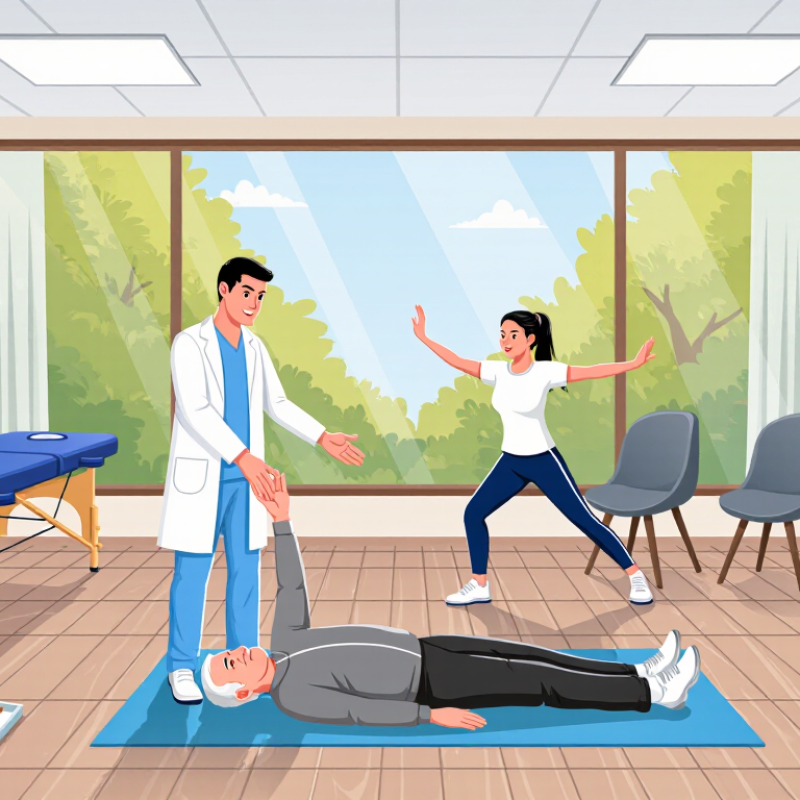
China Best Ways to Manage Chronic Pain Without Medication?

Understanding Chronic Pain and Its Common Causes in China

Chronic pain is pain lasting three months or longer. In China, it may affect the lower back, knees, neck, shoulders, or nerves. Common causes include osteoarthritis, old injuries, spinal problems, repetitive work, and diabetes-related nerve damage. Some people also develop pain after surgery or shingles. The cause is not always obvious.

A careful assessment should include medical history, physical examination, and sometimes imaging or blood tests. A pain diary can record location, intensity, sleep, movement, and emotional stress. This simple record helps doctors notice patterns. Treatment should match the cause, age, work demands, and other health conditions. One plan rarely fits everyone.

Without medication, many people may benefit from supervised exercise, physiotherapy, gentle stretching, tai chi, or gradual strength training. Heat can ease muscle stiffness, while cold may help after activity-related swelling. Better sleep and regular movement matter too. Mindfulness and cognitive behavioral therapy can reduce pain-related fear and tension. However, these methods are not instant cures. I have found that doing too much exercise too quickly can worsen symptoms. Progress should be slow, measurable, and reviewed by a qualified healthcare professional. Seek prompt medical care for sudden weakness, loss of bladder control, unexplained weight loss, fever, or severe pain after an injury.

Assessing Pain Patterns, Triggers, and Personal Health Needs

Chronic pain management should begin with a clear pattern, not a quick treatment choice. Record location, intensity, duration, sleep quality, movement, meals, stress, and work posture. Note what happens before a flare. A pain score alone is incomplete.

A 2023 World Health Organization report estimates that low back pain affected 619 million people globally in 2020. It may reach 843 million by 2050. These figures show the scale, but they cannot explain one person’s pain.

In China, daily triggers may include prolonged sitting, heavy lifting, cold exposure, or irregular sleep. Gentle walking, supervised strengthening, stretching, tai chi, and cognitive behavioral techniques may help selected patients. The WHO guideline for chronic primary low back pain supports education, exercise programs, and psychological therapies.

The CDC’s 2021 National Health Interview Survey found that 20.9% of U.S. adults experienced chronic pain. Different health systems report different populations, so comparisons need caution. That limitation matters.

Personal health needs should shape every plan. A person with osteoporosis, diabetes, nerve symptoms, pregnancy, or recent injury needs professional assessment before increasing activity.

Seek urgent care for new weakness, loss of bladder control, unexplained weight loss, fever, or severe night pain.

A diary can reveal triggers, but it is not a diagnosis. Progress may mean sleeping longer, walking farther, or recovering faster, rather than reaching zero pain. Some plans fail because they increase exercise too quickly. Adjustment is not failure. It is part of careful care.

Using Physical Therapy, Exercise, and Movement-Based Strategies

Chronic pain in China is often managed with rest, but prolonged inactivity can reduce strength and confidence. Movement-based care offers another path. The World Health Organization reports that low back pain affected 619 million people worldwide in 2020 (WHO, 2023). Its guideline supports tailored education, exercise programs, and selected physical therapies for chronic primary low back pain.

A physiotherapist may begin with a simple assessment. They may observe walking, joint movement, sleep habits, and work posture. Treatment can include gentle mobility drills, resistance training, balance work, and paced aerobic exercise. Ten minutes of walking may be a realistic start. The target can increase gradually.

A 2021 Lancet series identified exercise as an effective option for persistent low back pain, especially when matched to individual needs.

Progress is rarely neat. A sore morning does not always mean harm, but severe or unusual pain needs medical review. New weakness, numbness, fever, or bladder changes require prompt attention.

Some people advance too quickly. Others avoid movement for months. Both patterns deserve reflection. A home plan should include clear limits, rest breaks, and measurable goals, such as standing longer or climbing stairs.

Clinicians should reassess regularly, because one exercise rarely suits everyone. Consistency matters more than intensity. Pain diaries can reveal useful patterns, although they are not perfect. Local rehabilitation services can help adapt exercises to age, work demands, and available space.

Applying Mind–Body Techniques, Sleep Care, and Lifestyle Changes

China Best Ways to Manage Chronic Pain Without Medication?

Chronic pain needs more than willpower. The 2023 CDC National Health Interview Survey estimated that 24.3% of U.S. adults experienced chronic pain. Gentle mind–body practices can reduce distress and improve daily function. Try five minutes of slow breathing before breakfast. Inhale for four counts, then exhale for six. Mindfulness-based programs also show modest pain and quality-of-life benefits, according to a 2020 systematic review in JAMA Internal Medicine. Results vary, and that matters.

Sleep care is often overlooked. Adults generally need at least seven hours nightly, according to the American Academy of Sleep Medicine. Keep a steady wake time, dim lights before bed, and place the phone outside reach. A dark, cool bedroom may help. Pain can still interrupt sleep. That is not personal failure. Tracking wake-ups for one week can reveal patterns worth discussing with a clinician.

Lifestyle changes should feel measurable, not heroic. The World Health Organization’s 2023 guideline supports education, exercise, and physical therapies for chronic primary low back pain. Start with a ten-minute walk, then increase slowly. Add strength work twice weekly when tolerated. Sitting beside a window, stretching calves, or preparing balanced meals can also support recovery. Some days will regress. Do not abruptly stop prescribed treatment; review any medication changes with a qualified healthcare professional. Seek prompt care for new weakness, loss of bladder control, fever, or unexplained weight loss.

Best Non-Medication Ways to Manage Chronic Pain

Evidence-informed weekly planning targets for movement, strength, mindfulness, and sleep care

The chart shows practical planning targets rather than guaranteed treatment doses: at least 150 minutes of moderate aerobic activity weekly, muscle-strengthening activity on 2 or more days, a brief mindfulness practice on most days, and a consistent sleep routine across 7 nights. Adjust activity gradually and seek professional guidance when pain is severe, worsening, or disabling.

Sources: World Health Organization physical activity guidance; American Academy of Sleep Medicine adult sleep recommendations; evidence reviews supporting exercise, mindfulness, and behavioral approaches for chronic pain.

Building a Safe, Personalized Non-Medication Pain Management Plan

Managing chronic pain without medication starts with a safe, personalized plan. A licensed clinician should assess the pain’s cause, duration, movement limits, and warning signs. In China, consider a registered hospital or qualified rehabilitation professional. Keep a seven-day pain diary. Record location, intensity, sleep, activity, stress, and meals. This makes patterns easier to discuss.

Choose small, measurable changes. A physiotherapist may recommend gentle stretching, posture training, or gradual walking. Start with five minutes, then increase slowly. Heat can relax stiff muscles, while a cold pack may help after activity. Protect your skin with a cloth barrier. Slow breathing can reduce tension, but it cannot treat every pain condition. I used to view rest as recovery. Too much rest sometimes worsens weakness and fear of movement.

Tips: Set one daily goal, such as walking to the mailbox. Stop if pain becomes sharp, spreading, or accompanied by weakness. Use a chair during exercises if balance feels uncertain. Keep sleep and wake times consistent. Try relaxation for three minutes before bed. Ask a clinician to review your plan every few weeks. Seek prompt medical care for sudden severe pain, new numbness, loss of bladder control, fever, or unexplained weight loss. Your first plan may fail. Adjust it carefully, rather than abandoning it.

FAQS

What should I record in a pain diary?

Record location, intensity, duration, sleep, movement, meals, stress, and work posture. Note what happened before each flare. Seven days can reveal useful patterns.

Can a pain score explain my condition?

Not completely. A score misses sleep quality, movement limits, mood, and recovery time. Your diary supports discussion, but it is not a diagnosis.

How should I begin gentle exercise?

Start with a small goal, such as walking for five minutes. Increase time slowly, preferably with professional guidance. Do not rush progress.

When should I stop an exercise?

Stop if pain becomes sharp, spreads, or comes with weakness. Use a chair if balance feels uncertain. Rest briefly, then review the plan.

Can heat or cold help chronic pain?

Heat may relax stiff muscles. A cold pack may help after activity. Wrap either option in cloth to protect your skin.

Is complete rest the best recovery method?

Not always. Too much rest may increase weakness and fear of movement. Gentle, planned activity can support function when medically appropriate. I once underestimated this.

Who needs professional assessment before increasing activity?

People with osteoporosis, diabetes, nerve symptoms, pregnancy, or recent injury need extra caution. A qualified clinician should review their plan first.

What symptoms require urgent medical care?

Seek prompt care for new weakness, bladder control loss, fever, unexplained weight loss, or severe night pain. Sudden severe pain also needs attention.

How should progress be measured?

Progress may mean sleeping longer, walking farther, or recovering faster. Reaching zero pain is not the only useful goal. Improvement can be uneven.

What should I do if my first plan fails?

Adjust one part carefully, such as exercise time or bedtime routines. Ask a clinician to review the plan every few weeks. Failure is information, though not always easy to accept.

Conclusion

Chronic pain can arise from many factors, including long-term health conditions, past injuries, muscle tension, nerve sensitivity, or lifestyle-related strain. In China, understanding the possible causes and observing personal pain patterns can help people identify triggers, daily limitations, and individual health needs. Keeping a simple record of pain intensity, movement, sleep, stress, and activities may also support more informed decisions and communication with a qualified healthcare professional.

Learning how to manage chronic pain without medication often involves a personalized combination of physical therapy, gentle exercise, stretching, posture improvement, and gradual movement. Mind–body practices such as breathing exercises, relaxation, and mindfulness may help reduce stress-related discomfort, while regular sleep, balanced routines, healthy nutrition, and appropriate rest can support overall recovery. A safe plan should begin slowly, respect personal limits, avoid activities that worsen symptoms, and be reviewed regularly with professional guidance.

Sophia

Sophia

Sophia is a dedicated marketing professional with an exceptional depth of knowledge about her company's products and services. With a keen understanding of market trends and customer needs, she crafts insightful blog posts that not only inform but also engage readers, enriching the company’s online......