China Best Recovery Gear How to Recover After Exercise?

Time:2026-11-09 Author:Mason
0%

Hard training does not end when the last repetition is done. Recovery shapes how ready your body feels for the next session. This guide to China’s best recovery gear explores practical options, from foam rollers and massage guns to compression wear and cooling tools. The goal is not to buy everything. It is to choose equipment that fits your activity, budget, and comfort.

For a useful starting point on how to enhance recovery after physical activity, consider the basics: sleep, enough fluids, balanced meals, and sensible rest between demanding workouts. Sleep scientist Dr. Matthew Walker has said, “Sleep is the single most effective thing we can do to reset our brain and body health each day.” His remark concerns sleep, not a specific recovery device, but it points to an often-overlooked foundation. A massage gun may feel soothing on tired calves; it cannot replace sleep or sound training habits. Small details matter. Notice how your body responds, and stop using a tool if it causes sharp pain, numbness, or unusual discomfort. More gear does not always mean better recovery. That is easy to forget when product claims sound convincing. This article compares common recovery tools and explains what they may—and may not—do, so you can make a more informed choice.
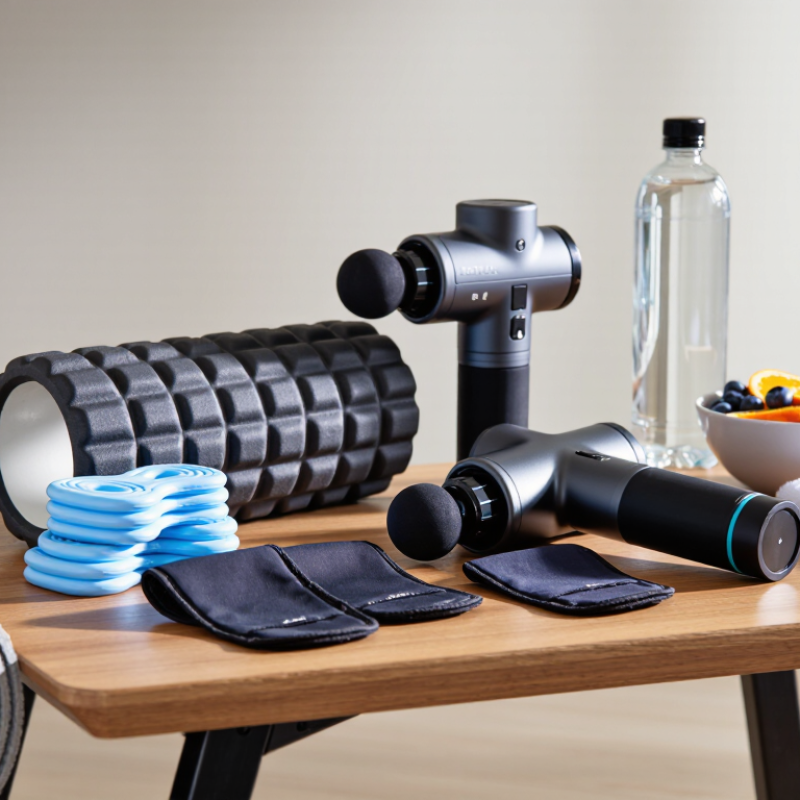
China Best Recovery Gear How to Recover After Exercise?

How the Body Recovers After Exercise

After exercise, the body shifts from producing effort to repairing and adapting. Working muscles use stored glycogen, while small amounts of muscle tissue experience normal stress. Rest gives the body time to rebuild; protein supplies amino acids for that process. Recovery is not instant. It happens over hours and days.

Fluids replace water lost through sweat, but needs vary with heat, workout length, and individual sweat rate. A meal with carbohydrates and protein, such as rice with eggs or yogurt with fruit, can support replenishment. Gentle walking may ease stiffness after a hard session, though it should feel comfortable.

Sleep matters, too: during deep rest, the body coordinates many repair processes. It is tempting to chase a perfect recovery routine, but the basics are easier to repeat. A tight calf may be ordinary soreness; sharp, worsening pain is different and deserves attention. I may still underestimate rest sometimes. Training progress depends not only on what happens in the gym, but also on the quiet hours afterward.

What to Do Immediately After a Workout

After your last set or final lap, do not stop abruptly. Walk slowly for five minutes, letting your breathing and heart rate settle. If you feel dizzy, sit somewhere safe and sip water. Change out of damp clothes when practical; staying warm and dry can make the trip home more comfortable. Recovery starts with simple choices, not a complicated routine. I still sometimes rush off and skip the cool-down, even when I know better.

Tips: Drink to thirst, and have a normal meal with protein and carbohydrates within a few hours. After a sweaty session, water and food can help replace what you lost. Your needs vary with the heat, workout length, and your body. Avoid forcing large amounts of water quickly.

For ordinary muscle soreness, gentle movement later that day may feel better than staying still. Keep the effort easy. Sharp pain is a reason to stop, not push through. Sleep supports recovery, though one good night will not erase a demanding week. Notice how you feel the next morning, and adjust your next session if fatigue lingers.

Types of Recovery Gear and Their Uses

Recovery gear works best when it matches the kind of discomfort you feel after training. A foam roller can apply broad pressure to your thighs, calves, or upper back. Roll slowly for 30 to 60 seconds over a comfortable area, rather than pressing hard on a sore spot. Keep it gentle. A small massage ball offers more focused pressure around the feet or glutes, but avoid joints and sharp pain.

Compression garments provide light, even pressure and may feel supportive after a long run or workout. They are not a substitute for rest, and tighter does not mean better. Cold packs can soothe a recently irritated area; wrap one in cloth and use it briefly to protect your skin. Warm packs may feel more comfortable for general stiffness, but skip heat on fresh swelling. Less can work.

Percussion tools deliver rapid pressure to muscles, yet they can be intense. Use a low setting and keep the device moving across the muscle, not over bones or bruises. Stop if you feel numbness, tingling, or worsening pain. I’d be cautious about treating every ache with equipment; sometimes a quiet walk, water, and sleep help more. Recovery needs vary, and persistent or severe pain deserves advice from a qualified health professional.

Recovery Gear: Typical Use Time After Exercise

A practical comparison of approximate session times for common recovery methods.

Values show the midpoint of common suggested time ranges: foam rolling, 5–10 minutes per session; massage gun, 1–2 minutes per muscle group; compression boots, 20–30 minutes per session; and cold-water immersion, 10–15 minutes per session. These are approximate examples, not measures of effectiveness. Follow product instructions and consider individual health needs.

How to Choose Recovery Gear Made in China

After exercise, recovery gear should feel useful, not complicated. When choosing products made in China, compare construction and clear specifications instead of relying on low prices or polished photos. A foam roller should retain its shape under steady pressure, while a resistance band should have even thickness and smooth edges. For compression sleeves, check the sizing guide, fabric details, and seam placement. Ask the supplier where final assembly takes place and whether key materials come from other factories. These details can affect consistency between production batches. A sample tells you more than a catalog, but one sample cannot guarantee every shipment will match.

Tips: Request written material specifications and care instructions. Check that any safety or quality documents apply to the exact product and destination market. Test the fit, surface, and stitching during normal use. Small details matter.

Clear communication is part of quality control. Ask how defects are inspected, how product changes are recorded, and what happens if an order differs from its approved sample. Avoid making health claims based only on product descriptions; recovery gear may support comfort, but it does not replace professional advice for persistent pain. I would still leave room for uncertainty: supplier answers can sound convincing, so verify them against samples and records.

How to Build Recovery Tools Into a Routine

Build recovery tools into the parts of your day that already happen. After training, place a foam roller beside your water bottle and spend five comfortable minutes on tight areas. A massage ball can fit in a work bag for brief pressure against a wall. Keep the pressure manageable; soreness is not proof of progress. I still catch myself packing more gear than I use. Start with one tool, then notice whether it helps you return to normal movement.

Recovery also depends on habits beyond equipment. The CDC recommends at least seven hours of sleep nightly for adults, so set a regular bedtime alongside your training schedule. The International Society of Sports Nutrition’s 2017 position stand gives exercising adults a daily protein range of 1.4–2.0 grams per kilogram of body weight. Use meals or snacks to make that target practical, and ask a qualified dietitian if you need individualized guidance. Keep it simple. Log sleep, soreness, and training effort once a day; review the notes weekly and adjust. Some weeks, the routine will slip. That is useful information, not a reason to buy another tool.

FAQS

How should I use a foam roller after training?

Roll slowly over a comfortable muscle area for 30 to 60 seconds. Use gentle pressure on your thighs, calves, or upper back. Keep it easy.

When is a massage ball useful?

Use one for focused pressure on areas like your feet or glutes. Avoid joints and any spot that causes sharp pain.

Should I use cold or warm packs for soreness?

A cloth-wrapped cold pack may soothe a recently irritated area. Warm packs can feel better for general stiffness, but avoid heat on fresh swelling. Less can work.

How can I use a percussion tool safely?

Choose a low setting and keep it moving over muscle. Avoid bones and bruises. Stop if you feel numbness, tingling, or worsening pain.

What should I check when choosing recovery gear made in China?

Review material details, sizing, seams, and care instructions. Ask where final assembly happens and how defects are checked. A sample helps, but it cannot guarantee every shipment.

How can I fit recovery tools into a busy routine?

Keep one tool near something you already use, like a foam roller beside your water bottle. Try five comfortable minutes after training. I still pack more gear than I use.

What habits matter alongside recovery equipment?

Adults should aim for at least seven hours of sleep nightly. Exercising adults may use a daily protein range of 1.4–2.0 grams per kilogram of body weight. Individual needs vary, so ask a qualified dietitian for guidance.

What if soreness or pain does not improve?

Reduce pressure and notice whether normal movement feels better. Equipment is not a substitute for rest or professional advice. Persistent or severe pain deserves attention from a qualified health professional.

Conclusion

After exercise, the body restores energy, repairs stressed muscle tissue, and rebalances fluids. Recovery is supported by practical habits: cool down with gentle movement, drink fluids, eat a balanced meal, and allow time for sleep and rest. These steps help create a foundation for how to enhance recovery after physical activity, while recognizing that needs vary with workout intensity and individual fitness.

Recovery gear can complement these habits. Foam rollers and massage balls provide targeted pressure, while stretching straps support mobility work and compression accessories offer a convenient option after training. When choosing recovery gear made in China, consider the materials, comfort, durability, clear product information, and whether the tool suits your needs. Start with one or two simple tools and use them consistently in a routine—for example, gentle rolling after a workout and mobility work on rest days. Gear should support, not replace, hydration, nutrition, sleep, and sensible training.

Mason

Mason

Mason is a seasoned marketing professional with a deep expertise in the company's offerings and a passion for driving brand awareness. With a strong background in digital marketing strategies, he has an innate ability to connect with diverse audiences and effectively communicate product benefits.......