2026 Best Heat vs Cold Therapy What is the Difference?

Time:2026-05-13 Author:Isabella
0%

Heat and cold therapy are common treatments for pain relief. They serve different purposes, yet many still wonder, "what is the difference between heat and cold therapy?" Industry experts provide insight into this crucial topic. According to the National Institutes of Health, heat therapy increases blood flow, easing stiffness. Cold therapy reduces inflammation and numbs pain, making it vital for acute injuries.

Dr. Elizabeth H. Henneman, a leading physiotherapist, explains, "Understanding the different effects of heat and cold therapy is essential for effective pain management." This statement emphasizes the need to distinguish between the two methods. Research indicates that nearly 40% of individuals use these therapies incorrectly, leading to ineffective results.

Both treatments are backed by substantial evidence. A 2022 study shows that heat therapy can reduce muscle soreness by up to 30%. Conversely, cold therapy can decrease swelling by 50%. However, individuals often grapple with choosing the right method. This confusion highlights the importance of clear guidance and education on the subject. Understanding these differences is critical for effective self-care.
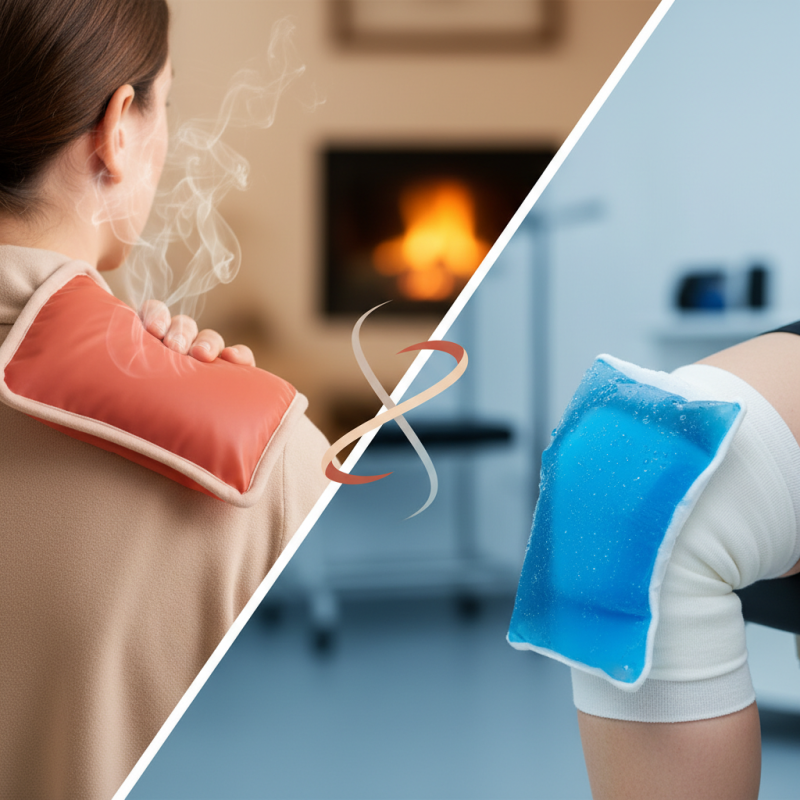
2026 Best Heat vs Cold Therapy What is the Difference?

Understanding Heat Therapy: Benefits and Applications

Heat therapy involves the application of warmth to alleviate pain and promote healing. It can be applied through various methods, including heat packs, warm towels, and heating pads. This approach increases blood flow to the targeted area, which aids in muscle relaxation and reduces stiffness. Conditions such as arthritis and muscle strains can benefit significantly from heat therapy. The warmth can also soothe nerves, providing immediate comfort.

While heat therapy offers numerous benefits, it is essential to understand its proper application. Avoiding excessive heat is crucial. Too much heat can cause burns or exacerbate inflammation. Additionally, individuals with certain conditions, including diabetes or skin disorders, should consult healthcare professionals before using heat treatment. Balancing heat with cold therapy is vital for optimal pain management, as each method serves distinct roles in the healing process. Understanding these nuances is key to maximizing the benefits while minimizing risks.

Exploring Cold Therapy: Advantages and Use Cases

Cold therapy, also known as cryotherapy, is widely recognized for its various advantages. It primarily reduces inflammation, which can ease pain and accelerate healing. Athletes often use cold packs after intense workouts. This practice helps minimize muscle damage and soreness. The cool sensation constricts blood vessels, decreasing swelling and delivering relief to affected areas.

In addition to pain relief, cold therapy can improve circulation over time. Regular application encourages better blood flow as the body warms up post-treatment. This process can promote faster recovery from injuries. Cold therapy is also beneficial for those suffering from conditions like arthritis. The numbing effect can ease joint pain and stiffness, providing temporary respite from discomfort. However, relying exclusively on cold therapy without considering heat therapy's benefits may not yield optimal results. A balanced approach might lead to improved outcomes in pain management and recovery.

Key Differences Between Heat and Cold Therapy

Heat and cold therapies are two common methods used to manage pain and promote healing. Each serves a unique purpose. Heat therapy, such as warm towels or heating pads, increases blood flow to the area. This helps relax and soothe muscles. It is especially useful for chronic conditions like arthritis or muscle stiffness. When applied, heat can reduce tension and improve flexibility.

On the other hand, cold therapy employs ice packs or cold compresses. This method numbs the area and reduces inflammation. Cold therapy is often recommended after acute injuries, such as sprains or strains. The immediate cold constricts blood vessels, helping to minimize swelling and pain. However, overuse can lead to skin damage or prolonged muscle stiffness.

Understanding when to use each therapy is crucial. Heat may not always be appropriate. For instance, applying heat to a newly injured area can exacerbate swelling. Cold therapy should be limited to short intervals to avoid adverse effects. By learning the key differences, you can better manage pain and healing. Instinctively relying on one method may not yield the best results. Each injury and condition is unique, requiring a tailored approach.

Choosing the Right Therapy for Pain Relief

When it comes to pain relief, choosing between heat and cold therapy can be confusing.
Heat therapy improves blood flow and relaxes muscles. It is ideal for chronic pain or stiffness.
Cold therapy numbs sharp pain and reduces inflammation. This makes it suitable for recent injuries or swelling. Understanding your condition is crucial in selecting the right method.

Tips for effective heat therapy: Apply a warm towel or heating pad for 15-20 minutes. Be careful to avoid burns. Always check the temperature before use.
For cold therapy, use ice packs wrapped in a cloth. Limit the application to 10-15 minutes to prevent skin damage. Always have a barrier between your skin and the ice.

Your body's response may vary. Some people might prefer heat, while others favor cold. Test both methods to find what works best for you. Reflection on your body's reaction is key.
Track the effectiveness in a journal. This will help you understand your pain patterns better.

Best Practices for Applying Heat and Cold Therapy

Applying heat and cold therapy effectively requires a solid understanding of how each method works. Heat therapy increases blood flow and relaxes tight muscles. It is usually best for chronic pain or stiffness. Try using warm towels or heating pads for 15 to 30 minutes. Always test the temperature first to avoid burns.

Cold therapy, on the other hand, reduces inflammation and numbs pain. This method is often used after injuries or surgeries. Ice packs or cold compresses can be applied for 10 to 20 minutes. Wrap them in a cloth to protect the skin. Pay attention to how your body reacts; discomfort can signal you are using it incorrectly.

Both therapies have their own protocols that can be complicated. Not every situation is straightforward. The effects may vary. Users should monitor their responses carefully. Overuse of either can lead to adverse effects. Listening to your body is crucial for effective treatment. Finding the right balance may take some trial and error.

FAQS

: What is heat therapy?

: Heat therapy involves applying warmth to relieve pain and promote healing.

How does heat therapy work?

It increases blood flow to target areas, helping muscles relax and reducing stiffness.

When should I use heat therapy?

It's ideal for chronic pain or stiffness, like arthritis and muscle strains.

Can heat therapy cause harm?

Yes, excessive heat can cause burns and worsen inflammation.

Should I consult a doctor before using heat therapy?

Yes, especially if you have diabetes or skin disorders.

What is cold therapy used for?

Cold therapy numbs sharp pain and reduces inflammation, usually for recent injuries.

How long should I apply heat or cold therapy?

Heat: 15-30 minutes; Cold: 10-20 minutes, wrapped in cloth.

Why is tracking my response to these therapies important?

It helps identify what works best for you and improves pain management.

Can I mix heat and cold therapy?

Yes, but understanding each serves different purposes is crucial for balance.

What should I do if I feel discomfort during therapy?

Stop immediately. Discomfort may indicate incorrect use or overuse.

Conclusion

This article explores the essential aspects of heat and cold therapy, focusing on their benefits, applications, and key differences. Understanding heat therapy, we learn about its advantages, such as improved circulation and muscle relaxation, making it ideal for chronic pain and stiffness. On the other hand, cold therapy is known for its effectiveness in reducing inflammation and numbing acute pain, often recommended for recent injuries.

Key differences between heat and cold therapy include their mechanisms of action and appropriate use cases. Choosing the right therapy depends on the type of pain and desired outcomes, with best practices ensuring safe and effective application. Ultimately, this article addresses the question, "what is the difference between heat and cold therapy," guiding readers in making informed decisions for their pain relief needs.

Isabella

Isabella

Isabella is a dedicated marketing professional with a sharp focus on driving brand growth and engagement through strategic content creation. With an extensive background in digital marketing, she combines her passion for storytelling with her keen understanding of industry trends to deliver......