In today's quest for sustainable living, many seek alternatives to traditional heating methods. Non-electric heating solutions present unique benefits that are often overlooked. What are the benefits of non-electric heating solutions? These alternatives can reduce energy bills and promote eco-friendliness.
Using methods like wood stoves or solar heating, homeowners can enjoy warmth without relying on the electric grid. This is especially crucial during power outages or in remote areas. Some people worry about the efficiency of these systems. However, they can be surprisingly effective with proper installation and maintenance.
Moreover, embracing non-electric options can lead to a deeper connection with nature and a more sustainable lifestyle. The choice of materials and energy sources means less reliance on fossil fuels. Yet, it's essential to consider local regulations and availability of resources. Ultimately, non-electric solutions can offer a path towards a more resilient living environment. This transition might not be seamless, but the long-term advantages are worth exploring.
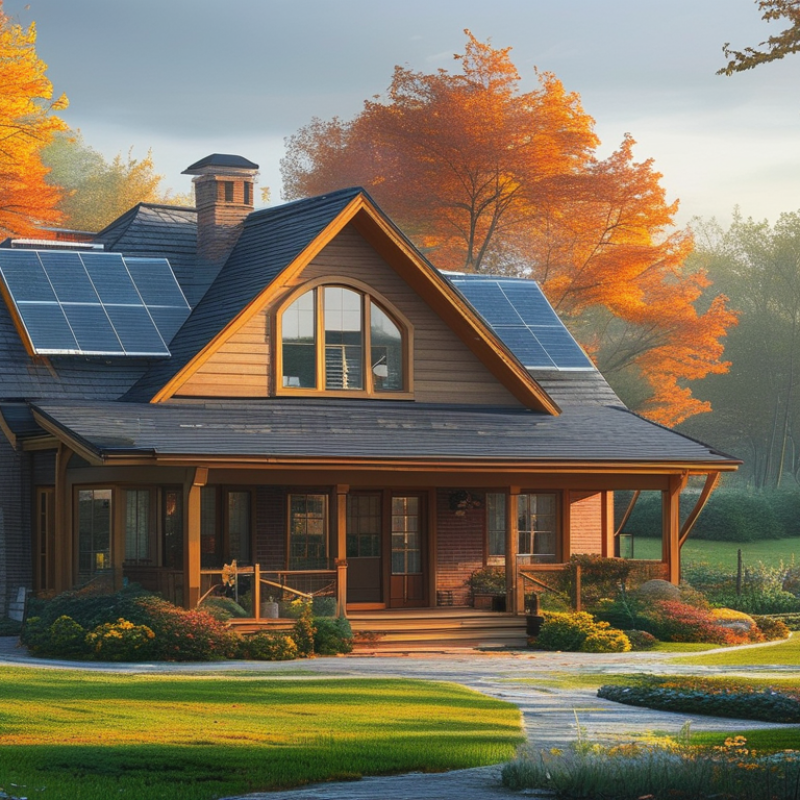
Advantages of Non-Electric Heating Solutions for Sustainable Living
In a world increasingly focused on sustainability, non-electric heating solutions offer many advantages.
These methods can significantly reduce carbon footprints. They provide warmth without relying on traditional power sources, which are often environmentally damaging.
Systems like wood stoves and solar thermal heating can harness natural resources effectively.
Non-electric heating solutions are often more cost-effective. Initial investments may seem high,
but the long-term savings are notable. Wood is generally cheaper than electricity or gas in many regions, leading to lower monthly bills.
Additionally, many systems can last for decades with proper maintenance. This durability adds to their appeal for eco-conscious homeowners.
However, non-electric heating does come with challenges.
Sourcing fuel can require effort, and some regions face restrictions on wood burning.
Users may also find themselves dependent on local climatic conditions.
These factors highlight the importance of research before investing in these systems.
Understanding local regulations is essential for effective implementation.
Striking a balance between comfort and sustainability remains a continuous journey.
Cost Savings with Non-Electric Heating Options Compared to Electric Systems
Non-electric heating solutions can offer significant cost savings compared to traditional electric systems. According to the U.S. Department of Energy, homeowners switching to non-electric options can save up to 30% on their heating bills. This statistic highlights the financial advantages of exploring alternative heating methods. With rising energy costs, choosing non-electric heating not only reduces expenses but also boosts energy independence for households.
Investing in systems like wood stoves or natural gas heaters can be more efficient. Reports indicate that modern wood stoves can convert over 80% of the wood's energy into heat. This contrasts sharply with electric systems, which often have a lower efficiency rate. Additionally, fuel prices for wood and gas have remained more stable compared to electricity. Yet, the initial setup of some non-electric systems can be higher, leading to potential concerns about upfront investment versus long-term savings.
Moreover, there is a growing demand for sustainable heating options. Many homeowners are looking for greener solutions. Non-electric heating can reduce carbon footprints. However, it requires careful consideration of factors like availability of fuel and local regulations regarding emissions. Evaluating these elements is crucial for making informed decisions. This approach not only considers cost but aligns with environmentally conscious goals. Balancing immediate expenses with long-term benefits is key to achieving financial and ecological sustainability.
Safety Features of Non-Electric Heating Solutions: A Comprehensive Review
Non-electric heating solutions offer various safety features that can enhance your home comfort. Many options, like wood stoves or propane heaters, rely on basic principles of combustion. These devices often come with built-in safety features such as flame sensors and automatic shut-off mechanisms. This ensures that your home remains safe from hazards.
When using any heating solution, proper ventilation is crucial. Poor ventilation can lead to carbon monoxide accumulation, which is dangerous. Consider adding outdoor air intakes to improve air circulation. Regularly inspect your heating devices for any signs of wear or malfunction. This simple step can prevent accidents and ensure reliable performance.
Another key aspect is the thermal mass of non-electric heaters. Materials like brick or stone can retain heat, providing warmth even after the fire dies down. Understanding how your heating solution interacts with your home environment can help optimize safety. Remember to keep flammable materials away from heaters. Regular safety checks can save lives.
Environmental Benefits of Utilizing Non-Electric Heating Methods
Non-electric heating methods offer significant environmental advantages. They reduce reliance on fossil fuels, leading to lower greenhouse gas emissions. A report from the International Energy Agency states that heating accounts for nearly 50% of global energy consumption. Using non-electric solutions can drastically cut this figure.
Biofuels, wood stoves, and solar thermal systems are among the most effective non-electric heating options. They utilize renewable resources, which minimizes carbon footprints. According to a study published by the American Council for an Energy-Efficient Economy, homes using wood stoves can reduce energy costs by 50% compared to traditional electric heating. This transition also lessens the demand for electricity generated from coal, a major polluter.
However, there are challenges. For instance, while wood is renewable, improper sourcing can lead to deforestation. Still, sustainable management practices can mitigate this risk, ensuring that non-electric solutions are truly beneficial. Engaging local communities in these practices is crucial for long-term success. It’s vital to weigh benefits against potential drawbacks to promote responsible and efficient energy use.
Top 5 Benefits of Non Electric Heating Solutions
Versatility and Efficiency of Non-Electric Heating Solutions in Various Settings
Non-electric heating solutions offer unique versatility and efficiency across various settings. These methods are especially valuable in areas with limited access to electricity. For instance, options like wood-burning stoves or propane heaters can effectively warm homes and outdoor spaces. According to the U.S. Energy Information Administration, nearly 2.5 million households use wood as their primary heat source. This statistic highlights a significant reliance on non-electric options for climate control.
Efficiency is another key advantage. Many non-electric heating methods achieve high thermal output. A study from the National Renewable Energy Laboratory states that modern wood stoves can convert over 75% of the fuel's energy into heat. This is substantially higher than older models. Non-electric solutions often operate independently of grid failures, making them a reliable choice. However, it is essential to consider emissions and environmental impact when choosing a heating source.
In addition to residential uses, non-electric heating solutions also excel in various commercial settings. They are often utilized in remote locations where electricity supply is erratic. For example, farms or outdoor events often depend on these solutions for effective heating. Yet, challenges remain, such as the need for regular maintenance and fuel storage. Ensuring safety and reliability in these applications is critical for optimal performance.
FAQS
: Non-electric heating reduces carbon footprints and relies on natural resources. They provide warmth without power sources that harm the environment.
While initial costs may be high, long-term savings are significant. For instance, wood can be cheaper than electricity or gas.
Sourcing fuel can be difficult. Some regions have restrictions on wood burning, making research important before investing.
Many can achieve high thermal outputs, with some converting over 75% of energy into heat. This efficiency is often better than older models.
They are great in areas with limited electricity. Farms and outdoor events often use them for reliable heating.
Regular maintenance is essential. Users also need to manage fuel storage to ensure safety and reliable performance.
Yes, they operate independently of the grid. This reliability is a major advantage, especially in remote areas.
Consider emissions and environmental impact. Users should also understand local regulations and climatic conditions for effective use.
Conclusion
Non-electric heating solutions offer numerous benefits that make them increasingly attractive for sustainable living. One of the primary advantages is cost savings; these systems often require lower initial investments and reduced operational costs compared to electric heating options. Additionally, safety is a key consideration, as non-electric methods typically present fewer hazards such as electrical fires or accidental shocks.
Environmental benefits also play a significant role; utilizing non-electric heating reduces reliance on fossil fuels and lowers greenhouse gas emissions, contributing to a more sustainable future. Furthermore, the versatility and efficiency of these heating solutions allow them to be effectively employed in various settings, making them a practical alternative for many households. In summary, when considering what are the benefits of non-electric heating solutions, factors like cost efficiency, safety, environmental impact, and adaptability come to the forefront, highlighting their value in modern heating practices.

 Syrup Medical