When it comes to using heat products, skin irritation is a common concern for many. According to a report from the American Academy of Dermatology, nearly 40% of individuals experience some form of skin irritation from heated devices. Understanding how to avoid skin irritation when using heat products is vital for maintaining skin health. Experts emphasize that proper usage and awareness are essential.
Dr. Jane Morgan, a renowned dermatologist, states, "Minimizing contact time and using appropriate barriers can significantly reduce skin irritation risks." Her insights underline the importance of following recommended guidelines. Heat can promote blood flow and relaxation, but it may also cause redness or burns if misused. Many users fail to recognize how their skin reacts to changes in temperature, leading to discomfort and potential damage.
Incorporating the right techniques is crucial. For example, using protective layers and adhering to manufacturer instructions can safeguard your skin. Regular assessments of your skin's reaction post-use can also help. Awareness and caution are essential to enjoy the benefits of heat products while preventing irritation.
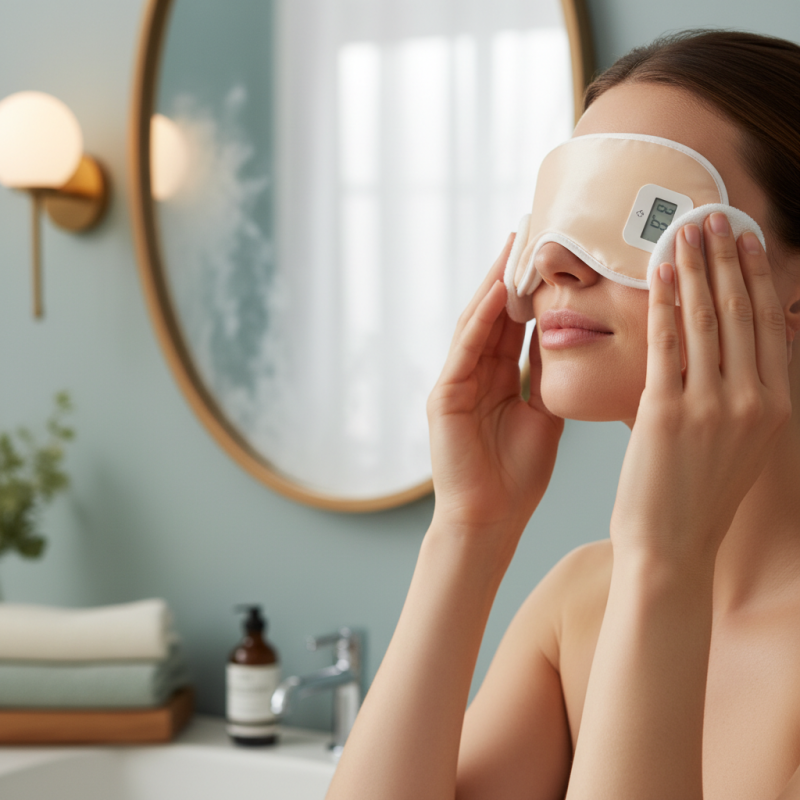
Skin irritation can often arise from
the use of heat products. Understanding its causes is essential for prevention. Heat can damage the skin's barrier,
leading to dryness or redness. Factors like
prolonged exposure to high temperatures contribute to irritation. Sensitive skin types are particularly vulnerable to
heat-related issues.
Environmental factors play a significant role. Humidity can amplify irritation.
Conversely, dry air can cause the skin to lose moisture more rapidly.
Friction from heat styling tools also contributes to skin sensitivity. These elements often go unnoticed, yet they
affect many users. Taking precautions can help mitigate these risks.
Personal habits also influence skin health. Regular moisturizing
is crucial, especially before using heat products. This creates a protective layer. Paying attention to the heat
settings is equally important. Lower temperatures are often sufficient and reduce the risk of irritation. Each person's
skin reacts differently, so what works for one may not for another. Regular reflection on personal experiences with
heat usage can foster better skin care practices.
Choosing the right heat product for your skin type is crucial in preventing irritation. Not all heat tools are created equal, and what works for one person may not work for another. Hair dryers, straighteners, and curling irons can vary significantly in temperature and technology. For sensitive skin,
opt for equipment with adjustable heat settings. This feature allows you to control the temperature and prevent excessive heat exposure.
Consider your skin type when selecting heat products. Fine or damaged hair can be particularly vulnerable to high temperatures. It may be worth investing in tools that distribute heat evenly, minimizing the risk of hotspots. Furthermore, always conduct a
patch test before full use. This simple method helps you gauge how your skin may respond to heat.
Reflect on your experiences with different tools. Have you noticed redness or discomfort after styling? If so, it might be time to reassess your approach. Experiment with lower temperatures and protective sprays. Ultimately, understanding your unique skin type will guide you in choosing the right products to keep irritation at bay.
Preparing your skin before using heat products is crucial for avoiding irritation. Start by cleansing your skin gently. Use a mild cleanser to remove dirt and oil. This step helps create a clean surface for heat application. Pat your skin dry with a soft towel. Avoid rubbing, as this can cause micro-tears.
Moisturizing is another key step. Apply a lightweight, hydrating lotion or serum. Focus on areas that tend to dry out. This will create a barrier, reducing the chance of irritation. Wait a few minutes for the product to absorb fully.
Test the heat product on a small area first. Everyone's skin reacts differently. Pay attention to any discomfort or redness. Adjust the heat level if necessary. This cautious approach can prevent unwanted reactions. Regularly assess your skin's response to heat. It’s essential to listen to your body. Ultimately, ensuring your skin is properly prepared helps maintain its health and appearance.
| Step | Action | Purpose | Recommended Duration |
|---|---|---|---|
| 1 | Cleanse skin | Remove impurities and excess oil | 5-10 minutes |
| 2 | Apply a soothing serum | Hydrate and calm the skin | 2-3 minutes |
| 3 | Use a heat protectant | Shield skin from heat damage | 1-2 minutes |
| 4 | Set device to the right temperature | Prevent overheating and irritation | N/A |
| 5 | Monitor skin response | Identify any early signs of irritation | During usage |
Using heat products can be an effective way to style hair or soothe muscles. However, improper use can lead to skin irritation. A study by the American Academy of Dermatology found that 24% of individuals experience skin irritation from heat styling tools. To reduce this risk, it is essential to follow best practices for safe usage.
Before applying heat, always start with a protective barrier. A simple, lightweight heat protectant can help shield the skin from direct exposure. Ensure that your heat product is set to the appropriate temperature. According to a report from the Hair Research Institute, temperatures above 400°F can significantly increase the likelihood of skin irritation. Regularly checking the temperature settings can prevent accidental burns.
Limiting exposure time is also crucial. Experts recommend keeping the heated product in contact with the skin for less than 10 seconds. It is vital to listen to your body. If you notice any discomfort, it is time to stop. Being mindful of these practices can help minimize the risk of irritation while still benefiting from heat products.
Heat products can be a great way to style hair or alleviate muscle pain, but they often lead to skin irritation. After using such products, it's essential to care for your skin properly. Start by gently cleansing the area with a mild soap. This helps remove any residual heat or oils, reducing the chance of irritation.
Moisturizing is crucial after using heat products. Look for products that contain soothing ingredients like aloe vera or chamomile. Applying a thin layer can help restore hydration and reduce redness. Consider using an unscented formula if your skin is sensitive. You may not notice irritation immediately, but it can develop later.
Always listen to your skin. If you feel discomfort, take a break from heat styling. You might need to adjust your routine. Maybe reduce the frequency of use or the temperature setting. Awareness is key. Over time, you'll find what works best for your skin.
: Cleansing removes dirt and oil, creating a clean surface. This helps prevent irritation during heat application.
Use a lightweight, hydrating lotion or serum. Focus on dry areas to create a protective barrier.
Apply it to a small area first. Watch for any discomfort or redness before full use.
Keep the temperature below 400°F. Higher temperatures increase the risk of skin irritation.
Limit contact to less than 10 seconds. Listen to your body and stop if you feel discomfort.
Cleanse the area gently with mild soap and moisturize with soothing ingredients, like aloe vera.
Yes, irritation may not be immediate. Stay aware of your skin's response over time.
Stop immediately. You may need to lower the temperature or reduce usage frequency.
Look for soothing ingredients like chamomile. Unscented formulas are better for sensitive skin.
Consider reducing how often you use heat products or adjusting their temperature settings.
When considering how to avoid skin irritation when using heat products, it's essential to understand the underlying causes of skin irritation. Factors such as skin type and sensitivity play a crucial role in determining which heat product is suitable for you. Before application, prepping your skin adequately can help create a barrier and reduce the risk of irritation.
Utilizing best practices during the use of heat products, such as maintaining optimal temperatures and limiting exposure time, is vital for safe application. Additionally, post-use care, including soothing treatments and hydration, can further minimize any potential skin irritation. By following these guidelines, you can enjoy the benefits of heat products while protecting your skin.
Syrup Medical